
How Global Buyers Choose the Right Brake Pad Manufacturer for OEM and Private Label Projects

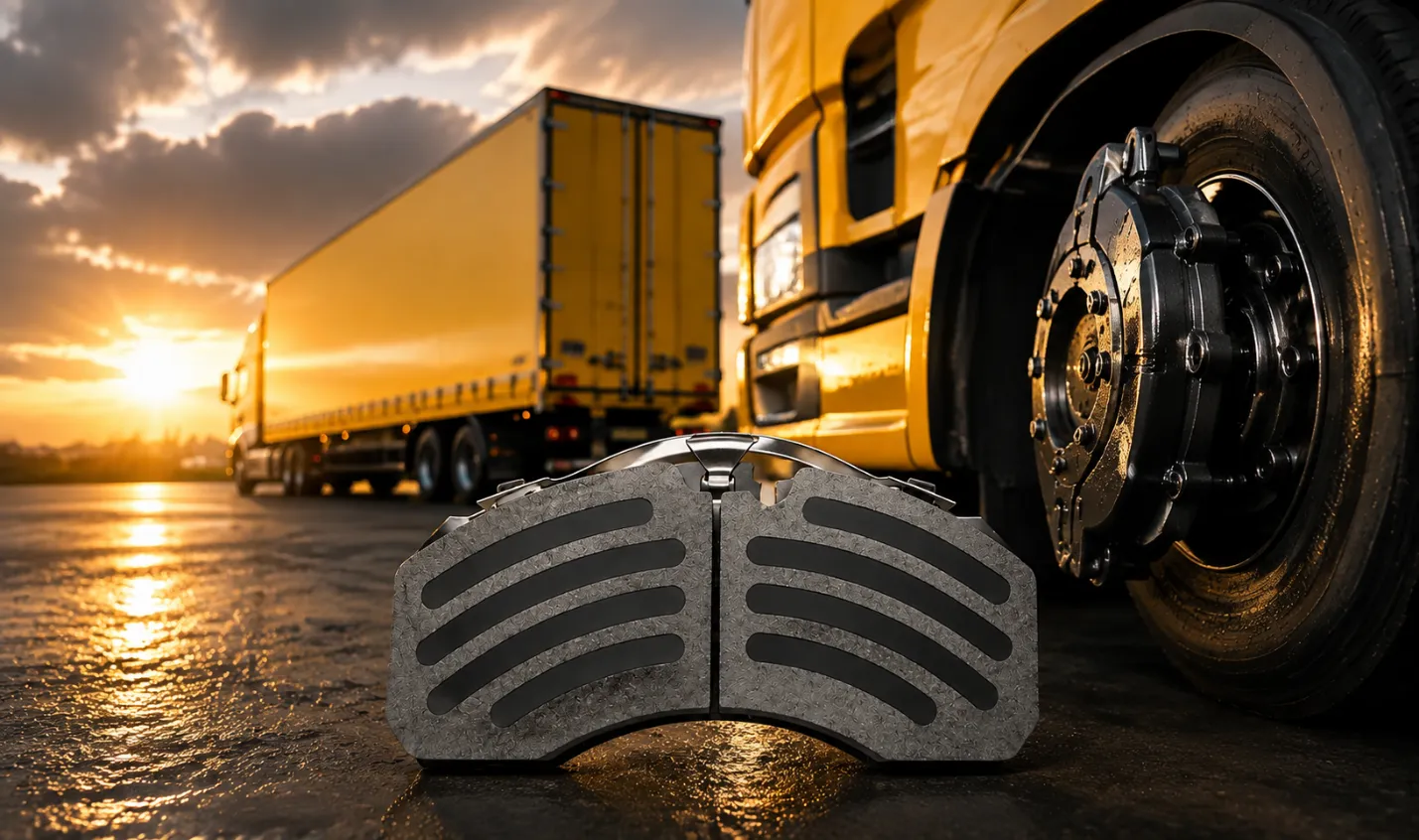
Why Brake Pad Sourcing Is Becoming More Complex for Global Buyers
The global automotive aftermarket is becoming increasingly competitive, and brake components are no exception. For distributors, importers, and private label brands, sourcing brake pads is no longer simply about finding the lowest-cost supplier. The real challenge is identifying a manufacturing partner that can provide consistent quality, reliable supply, technical support, and products that match specific market requirements. As brake pads are safety-critical components, supplier selection directly affects customer satisfaction, brand reputation, and long-term business growth.
Unlike many automotive parts where differences may mainly influence convenience or appearance, brake components directly impact vehicle safety and operating performance. A supplier that cannot maintain stable product quality may create problems far beyond the initial purchase price, including warranty claims, customer complaints, additional maintenance costs, and damage to brand credibility. This is why professional buyers are increasingly evaluating manufacturers based on their engineering capabilities, production control systems, testing capabilities, and experience with different vehicle applications.
The modern brake industry is moving away from a simple price-driven sourcing model. Global buyers are now looking for partners who can provide reliable solutions, whether for private label brake programs, OEM projects, or aftermarket distribution. A successful brake supplier is no longer just a manufacturer of products but a technical partner capable of supporting customers throughout product development, testing, and long-term supply.
The Hidden Challenges Behind Private Label and OEM Brake Programs
Private label and OEM brake projects often appear simple from the outside: select products, apply branding, and begin sales. However, experienced buyers understand that successful brake programs involve much more than packaging and production. The biggest challenge is maintaining consistent performance across different production batches while meeting the specific requirements of different markets and vehicle applications.
Brake pad performance depends on many factors, including friction material formulation, manufacturing processes, quality control, and testing procedures. A product that performs well during initial evaluation may still experience issues if production consistency is not maintained during large-scale manufacturing. For distributors and private label brands, inconsistent quality can quickly lead to customer complaints, warranty issues, and loss of market confidence.
Another challenge is selecting products that match actual application requirements. Commercial vehicles, passenger cars, and specialty vehicles operate under different conditions, meaning they require different friction characteristics. A brake pad designed for urban driving may not perform the same way in heavy-duty transportation or high-temperature environments. This is why more buyers are choosing to work with a custom brake pad factory that can provide technical support, product customization, and application-based solutions rather than simply supplying standard products.
Beyond Unit Price: What Really Determines Long-Term Value
Price remains an important consideration in brake pad sourcing, but experienced procurement teams understand that the lowest purchase price does not always create the best business value. The real cost of a brake component includes many additional factors, such as product reliability, replacement frequency, warranty claims, customer satisfaction, and potential downtime caused by quality issues.
This is why many professional buyers evaluate suppliers based on total cost of ownership rather than only the initial quotation. A slightly higher-priced brake pad with stable performance, consistent quality, and reliable supply may provide better long-term value than a cheaper product that creates additional maintenance problems. For fleet operators and distributors, predictable performance is often more important than short-term savings because operational interruptions can quickly exceed the original price difference.
A reliable brake pad manufacturer should therefore provide more than competitive pricing. Buyers should consider whether the supplier has strong manufacturing capabilities, technical support, testing systems, and the ability to maintain consistent quality throughout long-term cooperation.
Why the Right Manufacturing Partner Can Make or Break Your Brake Business
Choosing a brake supplier means choosing a partner that represents your brand in the market. Whether the buyer is an aftermarket distributor, private label brand owner, or OEM customer, supplier capability directly influences product reputation and customer trust. A manufacturer with strong technical knowledge can help buyers reduce risks by providing suitable products, stable production, and professional support throughout the cooperation process.
The demand for private label brake pads has continued to grow as more companies seek to build their own brands and differentiate themselves in competitive markets. However, successful private label programs require more than adding a logo to existing products. Buyers need suppliers that can support product selection, packaging requirements, quality consistency, and market-specific performance expectations.
The role of a custom brake pad supplier has also expanded. Modern buyers increasingly expect suppliers to understand their business goals and provide solutions based on vehicle type, operating environment, and target market requirements. Manufacturers that combine production capability with engineering expertise are better positioned to support long-term partnerships.
Building Your Own Brake Brand Through Private Label Solutions
Private label brake programs provide distributors and importers with opportunities to develop their own market identity and create long-term customer relationships. However, building a successful private label business requires careful supplier selection because product quality directly represents the buyer’s brand. A reliable supplier should be able to support not only manufacturing but also packaging requirements, documentation, quality control, and consistent delivery. Companies entering private label projects should evaluate whether a manufacturer has the experience and flexibility needed to support different market expectations.
OEM Projects Require More Than Just Production Capacity
OEM brake pad projects typically involve higher technical requirements because buyers are not only looking for manufacturing capability but also reliable engineering support. Depending on the target market and vehicle application, buyers may require specific friction characteristics, detailed testing reports, certifications, and strict quality control procedures throughout the production process. A capable supplier must understand not only how to produce brake pads but also how to evaluate and validate their performance under different operating conditions. This includes selecting suitable friction materials, optimizing formulations, conducting performance testing, and ensuring consistent quality during mass production. For this reason, experienced OEM buyers often evaluate a manufacturer’s technical expertise, testing capabilities, and quality management systems before discussing production volume.
When Standard Brake Pads Are Not Enough
Different markets often have different requirements due to variations in vehicle models, climate conditions, road environments, and customer expectations. In these situations, standard brake pads may not always provide the best solution. Customized brake programs allow buyers to develop products that better match their target applications through adjustments in friction formulation, performance characteristics, materials, and packaging.
A capable manufacturer can help customers move beyond simple product sourcing and develop competitive solutions designed for their specific markets. This approach is especially valuable for distributors and brands that need differentiation in increasingly competitive aftermarket environments.
What Separates Reliable Brake Pad Manufacturers From Ordinary Suppliers
The global brake market includes many suppliers, but not every manufacturer has the same level of technical capability, quality control, and project support. For buyers looking to develop long-term cooperation, the difference between an ordinary supplier and a reliable manufacturing partner often comes down to engineering experience, production control, testing capability, and the ability to solve application-specific challenges.
A professional custom brake pad manufacturer should not only have production capacity but also understand how friction materials behave under different operating conditions. Commercial vehicles, passenger cars, and specialty vehicles all create different demands on brake components. Without sufficient technical knowledge, suppliers may only provide standard products without considering whether the product is suitable for the customer’s actual market and application.
This is why experienced buyers increasingly evaluate suppliers beyond product catalogs and pricing. They look for manufacturers that can provide technical communication, product development support, quality assurance, and stable supply throughout the entire cooperation process.
Material Expertise and Formula Development Capability
The performance of a brake pad starts with the friction material itself. A reliable manufacturer needs strong knowledge of material selection, formulation development, and application requirements. Brake friction materials typically combine multiple components, including fibers, fillers, binders, lubricating materials, and friction modifiers. The balance between these materials determines important characteristics such as friction stability, wear resistance, heat resistance, noise control, and service life.
For customers requiring customized solutions, formula development capability becomes especially important. Different vehicles and operating environments may require different friction characteristics. A heavy-duty truck operating under high loads may require excellent thermal stability, while an urban vehicle may require better performance under frequent braking conditions.
Manufacturers with strong friction formulation experience can help customers develop products that better match their target markets. This capability is particularly valuable for private label brands and OEM customers because it allows them to create products with more competitive performance rather than simply competing through price.
Why Testing Capability Matters Before Mass Production
Testing is one of the most important factors buyers should evaluate before selecting a brake supplier. A brake pad is a safety-related component, and performance cannot be determined only by appearance or basic specifications. Reliable manufacturers use testing procedures to verify whether products can meet performance expectations under different operating conditions.
Professional suppliers typically evaluate factors such as friction coefficient stability, wear performance, temperature resistance, shear strength, and braking consistency. These tests help manufacturers identify potential issues before products enter large-scale production.
For buyers, a supplier with strong testing capability provides greater confidence during product development. This is especially important for OEM projects and private label programs, where product failures can directly affect brand reputation.
A manufacturer that invests in laboratory equipment, validation procedures, and quality management systems demonstrates a commitment to long-term product reliability rather than short-term sales.
Certifications That Global Buyers Should Verify
For international buyers, certifications and compliance standards are important indicators when evaluating a brake manufacturer. Different markets may have specific requirements depending on regional regulations and vehicle applications.
For example, buyers supplying European markets may require ECE R90 brake pads, while companies operating in North America may focus on standards such as FMVSS 135 brake pads for passenger vehicle applications. Other customers may require compliance with specific national standards or quality management systems.
However, certification alone does not guarantee product quality. Buyers should also evaluate whether the manufacturer has the production capability, testing procedures, and quality control systems needed to maintain consistent performance after certification.
An experienced ISO certified brake pad manufacturer should be able to combine certification compliance with practical manufacturing experience, ensuring that products remain reliable during continuous production.
Can Your Supplier Support Long-Term Growth?
Production capacity and supply stability are becoming increasingly important as global buyers expand their businesses. A supplier may provide excellent samples, but the ability to maintain consistent quality during large-volume production is what determines long-term success.
For distributors and brand owners, unstable supply can create serious business challenges, including delayed deliveries, inventory problems, and customer dissatisfaction. Therefore, buyers should evaluate factors such as manufacturing capacity, production planning, raw material management, and quality control systems.
A capable brake pad supplier should be able to support customers from initial trial orders to larger-scale production requirements. Flexibility during early cooperation and scalability during future growth are both important factors when selecting a manufacturing partner.
Building a Complete Private Label Experience
Private label projects involve more than producing brake pads under a different brand name. Successful programs require support in packaging, labeling, documentation, product identification, and market positioning.
For many distributors, packaging and branding are important parts of creating market recognition. A reliable supplier should understand private label requirements and provide flexible solutions that support different customer strategies.
Beyond packaging, manufacturers should also help ensure product consistency. A strong private label program depends on customers receiving the same level of quality from every production batch. This requires effective production control, traceability systems, and communication between the manufacturer and buyer.
Why Testing and Certification Define Product Reliability
In the brake industry, quality assurance cannot be separated from manufacturing capability. A supplier that understands testing requirements can provide stronger confidence to international buyers and reduce risks during product development.
Brake testing is not only about meeting regulatory requirements. It is also about understanding how products perform in real-world conditions. Factors such as vehicle weight, driving environment, temperature changes, and braking frequency can influence brake performance.
For commercial vehicle applications, this becomes even more important. Fleet operators depend on predictable braking performance because unexpected failures or frequent replacements can increase operating costs.
Manufacturers that combine engineering knowledge, testing capability, and production control are better positioned to provide reliable solutions for global customers.
Questions Smart Buyers Ask Before Choosing a Brake Supplier
Before starting a brake pad sourcing project, experienced buyers usually evaluate suppliers from multiple perspectives rather than focusing only on product price. The right questions can help identify whether a manufacturer has the technical capability, quality systems, and long-term cooperation potential required for a successful partnership.
One important area is product performance. Buyers should understand whether the supplier can provide suitable friction characteristics for their target vehicles and markets. Questions about friction levels, material options, operating temperature ranges, and application experience can help determine whether the manufacturer truly understands the requirements behind the product.
Quality control is another critical factor. Buyers should ask about production inspection procedures, testing capabilities, traceability systems, and whether the supplier can provide relevant testing reports. A reliable manufacturer should be able to explain how quality is controlled from raw materials to finished products instead of only providing a final inspection result.
Commercial factors are also important. Lead time, minimum order quantities, packaging support, and communication efficiency can significantly influence the success of a sourcing project. A supplier that understands the buyer’s business model and provides flexible support is more likely to become a long-term partner.
What Really Determines the Cost of Private Label Brake Pads
Many buyers searching for private label brake pads focus first on price, but the actual cost of a private label project depends on multiple factors. Material selection, production volume, certifications, packaging requirements, testing requirements, and customization level all influence the final investment.
The private label brake pads cost can vary significantly depending on the project scope. For example, a basic aftermarket product with standard packaging may require a different investment compared with an OEM-level program involving customized formulations, performance validation, and specific certification requirements.
Order volume also plays an important role. Larger production quantities can often improve unit costs through better manufacturing efficiency, while smaller trial orders may require more flexibility from the supplier. For new brands entering the market, finding a supplier that can support both initial testing and future expansion is often more valuable than simply choosing the lowest quotation.
Material and certification requirements can also affect pricing. Different friction formulations, performance standards, and regional compliance requirements may require additional development and testing investment. Buyers should therefore evaluate value based on overall performance and business impact rather than focusing only on the initial purchase price.
Warning Signs That May Indicate Supplier Risks
Selecting the wrong brake supplier can create long-term challenges for distributors and brand owners. While every buyer wants competitive pricing, suppliers that compete only through low prices may create hidden risks related to product consistency, quality control, and long-term reliability.
One common warning sign is the lack of transparent testing information. A professional brake manufacturer should be able to explain its testing procedures, quality standards, and production controls. Suppliers that cannot provide clear information about product validation or manufacturing processes may create uncertainty for buyers.
Another concern is limited technical support. Brake components require engineering knowledge because performance depends on materials, vehicle applications, and operating conditions. A supplier that only focuses on shipment quantities without understanding customer requirements may not be able to support long-term product development.
Production capacity and delivery reliability are also important considerations. Buyers should verify whether a supplier has sufficient manufacturing capability, stable supply chains, and realistic lead times. A supplier that cannot clearly communicate production planning may create risks when customers begin scaling their business.
Factory Direct or Trading Company: Which Partner Fits Your Business?
When sourcing brake pads, many buyers consider whether to work directly with a factory or through a trading company. Both options may have advantages depending on the buyer’s requirements, but understanding the differences is important for long-term cooperation.
Working directly with a custom brake pad factory usually provides greater access to manufacturing capabilities, technical communication, and product development support. This can be especially valuable for private label and OEM projects where buyers require customized solutions, quality control information, and direct communication with engineers.
A direct relationship with a brake pad manufacturer can also improve transparency regarding production processes, testing procedures, and supply planning. Buyers can better understand how products are developed and how quality is maintained throughout production.
However, trading companies may still provide value in certain situations, especially for buyers looking for multiple product categories, smaller orders, or simplified sourcing management. The right choice depends on the buyer’s business model, technical requirements, and long-term goals.
For companies building a brake brand or developing specialized products, direct cooperation with a capable manufacturer often provides greater opportunities for customization and continuous improvement.
A Practical Framework for Selecting the Right Brake Partner
For procurement managers, supplier evaluation should be based on a combination of technical capability, quality assurance, commercial reliability, and long-term cooperation potential.
From a technical perspective, buyers should evaluate whether the supplier has experience with friction material development, product customization, and performance testing. A manufacturer with strong engineering capability can provide better support when developing products for different vehicles and markets.
Quality evaluation should include production processes, inspection systems, certifications, and traceability. An ISO certified brake pad manufacturer should demonstrate not only compliance with quality management standards but also the ability to maintain stable production performance over time.
Commercial evaluation should consider manufacturing capacity, delivery reliability, communication efficiency, and export experience. A strong brake pad supplier should be able to support customers from initial product development through long-term supply.
The most successful partnerships are built when both sides focus on shared goals: consistent quality, reliable delivery, market growth, and continuous improvement.
Building a Reliable Brake Supply Chain Starts With the Right Partner
Selecting a brake supplier is ultimately a strategic decision that affects product quality, customer satisfaction, and long-term business growth. For importers, distributors, and brand owners, the right manufacturing partner can help reduce sourcing risks, improve market competitiveness, and create stronger customer relationships.
The most successful buyers understand that selecting a supplier should not be based only on unit price. A lower-cost product may appear attractive at the beginning, but if it creates quality problems, warranty claims, or customer complaints, the actual business cost can become much higher. This is why professional procurement teams increasingly focus on brake pad total cost of ownership, evaluating not only purchase price but also reliability, service life, consistency, and supply stability.
For private label projects, this approach is especially important. A brake pad supplier is not only responsible for manufacturing products but also contributes to the reputation of the buyer’s brand. Consistent quality, reliable delivery, and technical support are essential factors that determine whether a product can succeed in competitive aftermarket markets.
Building Long-Term Partnerships With Reliable Suppliers
The relationship between buyers and manufacturers is changing. Instead of short-term transactions based only on price, more companies are seeking long-term partnerships with suppliers that can support continuous growth.
A reliable custom brake pad supplier should be able to provide support throughout the entire product lifecycle, from initial product selection and formulation discussion to testing, production, and future improvement. This is particularly valuable for companies developing private label brake programs or expanding into new vehicle segments.
For OEM customers, cooperation with an experienced brake pad manufacturer provides additional advantages. Manufacturers with strong engineering capabilities can help optimize products for specific applications, improve production efficiency, and provide technical support when market requirements change.
Long-term partnerships are built on transparency, communication, and shared objectives. When suppliers and buyers work together to improve product performance and market competitiveness, both sides can achieve sustainable growth.
Key Takeaways for Importers, Distributors, and Brand Owners
For companies sourcing brake products globally, choosing the right supplier requires a comprehensive evaluation of technical capability, manufacturing reliability, and long-term business support. The best supplier is not necessarily the one offering the lowest quotation, but the one that can provide stable quality, professional service, and solutions that match specific customer requirements. When evaluating a custom brake pad factory, buyers should consider factors such as friction material development experience, production capacity, quality management systems, testing capabilities, certification experience, and the ability to maintain consistent product performance during large-scale production.
The demand for private label brake pads and OEM brake pads continues to grow as global markets become more competitive. Companies working with capable manufacturers can develop stronger products, reduce sourcing risks, and build greater trust with their customers. A reliable brake manufacturing partner is not simply a supplier that delivers products; it is a long-term resource that supports product development, market expansion, and continuous improvement.
As the global automotive industry continues to evolve, successful brake brands will increasingly depend on cooperation with manufacturers that combine technology, quality control, and real-world application experience. For importers, distributors, and brand owners, selecting the right manufacturing partner today can create a stronger foundation for long-term growth in the competitive automotive aftermarket.






Comment