
How Financial Markets Are Moving Toward 24/7 Trading and Weekend Access

Markets are moving beyond traditional closing bells as exchanges test longer sessions and weekend access. Global news, digital systems, and investor demand are driving the shift. Yet longer access does not guarantee deeper markets or smoother execution. Weekend trading can bring flexibility while adding liquidity and risk questions.
Global Markets Move Toward Longer Trading Sessions
The world’s financial markets have begun to expand beyond the traditional Monday through Friday hours. As a result, exchanges, brokerage firms, and other marketplaces are expanding their hours in order to accommodate a globally growing customer base. In addition, digital technology has enabled markets to connect people in different parts of the world. Therefore, business operating hours are becoming less synchronized with the trading hours.
- Crypto markets operate 24/7 during weekends/holidays. Foreign exchange has been operating with longer weekday hours in the world’s major financial centers for some time. 2. Extended hours of operation are becoming more commonplace among traditional equity markets; however, weekend trading continues to be more restrictive in most large regulated markets.
Recent developments demonstrate the speed at which this structural change is occurring. In the United States, several exchange venues are planning to offer extended hours trading on weekdays, with some offering near-continuous trading. Additionally, Kazakhstan’s International Trading System (ITS) has extended its trading hours. These changes illustrate that extended-hours trading is emerging as a global trend in financial market structures.
News Cycles Are Driving Demand for Weekend Access
Market information can be released at any time, including weekends and holidays. Expectations can be affected by company news, geopolitical events, cyber incidents, and economic developments. Investors may have to wait for markets to respond fully on traditional schedules. If there is sufficient trading activity, extended access can reduce that waiting period.
Retail investors, too, have been conditioned to instant digital access. Smartphones bring news, prices, alerts and financial information all day long. So fixed market hours may appear less in sync with modern flows of information. Global investors may also want access during their own active hours.
However, longer access does not automatically create more useful trading activity. A market can remain open while participation falls sharply. Therefore, the quality of execution still depends on active buyers and sellers. Weekend sessions may require stronger attention to liquidity and order conditions.
Weekend Access Can Change Liquidity Conditions
What Is Weekend Trading?
Weekend trading refers to buying and selling financial instruments on Saturdays and Sundays where supported by the relevant venue and broker. It differs from weekday pre-market, after-hours and overnight trading.
Liquidity is how quickly you can find a buyer or seller for your stock without having to make a big price change. During slow periods, there are fewer buyers and sellers placing orders with the prices currently available. As a result of this, when there is little participation from other investors, the difference between the bid and ask will be greater. Also, outside of the most active trading sessions, the amount of stocks being traded may decrease.
After-hours markets are susceptible to greater volatility and lower execution quality because of fewer available orders. When there are fewer orders available, a single large order has a larger effect on price. Also, during thin trading times, sudden news can result in quick price changes. Therefore, having 24/7 access to the market is not the same as having constant liquidity.
Weekend trading also changes how participants view gap risk. Traditional closures can produce sharp differences between one session and another. Longer access may reduce some closure-related gaps when trading remains active. Yet gaps can still occur when liquidity weakens or major events trigger fast repricing.
Risk Management Becomes More Important Outside Peak Hours
Extended-hours trading can require closer attention to position size and order controls. Lower liquidity can make execution less predictable during certain periods. Therefore, participants need to understand how their chosen market behaves outside normal sessions. Risk management remains relevant regardless of whether markets operate continuously.
Stop orders and other controls may behave differently during fast price movements. Sudden news can also cause prices to move before sufficient orders appear. Hence, participants should understand the conditions surrounding their orders. Market access should not be treated as a reason to increase trading frequency.
Trade W Supports Flexible Market Monitoring
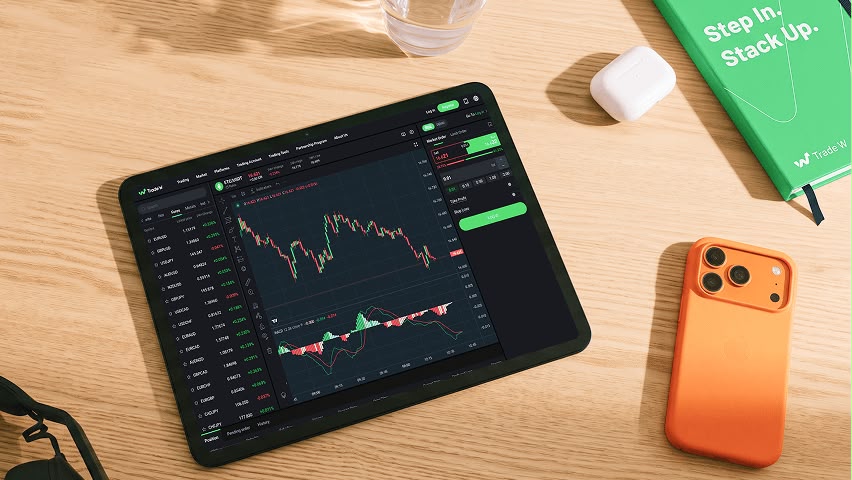
Trade W offers digital trading tools to its users, which can enable them to keep an eye on the financial markets and changing market dynamics. As trading hours expand, this kind of market information becomes more and more relevant. This is because the participants may have to follow prices, market developments, and open positions over different sessions.
The platform also offers tools that can assist in trading preparation, such as market monitoring and position-sizing tools to help a user assess potential exposure before he places an order. However, these tools do not remove volatility, liquidity constraints, or execution risk.
As financial markets expand their trading windows, platforms such as Trade W can support users who need access to market information across different sessions. However, available instruments, trading hours, and platform features can vary. Users should review the applicable conditions before placing trades.
Technology Must Support Longer Market Hours
Moving into 24/7 markets will require much more than just keeping your exchange website operational. Your trading system, clearing process, and custodial operation, as well as security control, must be able to continue functioning. Additionally, it will be more difficult to find times for maintenance with the extended hours of operation. Firms will likely have to make smaller upgrades and develop better recovery plans.
Investment operations have a number of other functions, including valuation, reporting, and settlement procedures. When investing in near-continuous markets, there is a potential for problems with systems that were designed based upon daily closing prices. It is possible that fund accounting will need to update the data more frequently and provide greater clarity regarding valuation rules. Finally, client reporting can change as clients demand more up-to-date information.
Staffing presents another challenge for market operators and service providers. Teams may need coverage across several regions and time zones. Continuous monitoring can also require stronger technical and security support. Therefore, market access must expand alongside operational capacity and resilience.
Regulation Remains Central to Extended Trading
Regulated markets must balance broader access with investor protection and market quality. The UAE Capital Market Authority provides regulatory and licensing frameworks for relevant financial activities. Firms operating in the region must meet applicable licensing and conduct requirements.
Regulation also matters when trading moves beyond established market schedules. Authorities and venues must consider surveillance, reporting, settlement, and operational controls. These requirements can shape how extended-hours services develop. They also help define responsibilities for firms serving participants during longer sessions.
24/7 Markets Do Not Mean Markets Never Change
Trading during extended hours will not alter the natural risks associated with the market. It will simply create a different dynamic regarding when these types of risks may be present and how traders react to them. When liquidity is maintained, weekend access will enable traders to respond more rapidly to emerging information. However, trading in lower-volume environments will likely result in unpredictable execution.
In addition, the wider trend does not imply that all markets are going to be fully continuous. As there are variations in the way that different assets are settled, custodied, and regulated, some markets may decide to extend their opening hours during the week rather than offering full weekend trading. Other markets may opt to continue with scheduled closing periods due to operational constraints.
The growing trend remains clear across several parts of financial infrastructure. Digital systems are making longer sessions more practical for exchanges and brokers. Investor demand is also encouraging access across additional time zones. However, liquidity, technology, regulation, and risk controls must develop together.
What Extended Trading Means for Market Participants
For traders, longer access can provide more flexibility around global events and personal schedules. It can also reduce the waiting period after information reaches markets. However, those benefits depend on available liquidity and reliable execution. Weekend trading therefore requires awareness of market conditions, not simply longer screen time.
For market operators, the shift requires changes across technology and staffing. Clearing, settlement, security, monitoring, and support systems may need longer coverage. For investors, real-time alerts and monitoring tools can help track changing conditions. Yet access alone does not create a trading signal or improve every execution.
Real-time market information can help users follow developments across available sessions. Position-sizing tools can also support clearer planning before orders are placed. These functions remain useful when trading hours become longer and market conditions vary.
Financial markets are extending beyond traditional schedules as global activity becomes more connected. Weekend trading is part of that wider movement toward longer access. Yet access and liquidity are different conditions, and both matter for execution. The future market structure will depend on how technology, regulation, and participation develop together.
Global Participation Is Expanding the Trading Window
Investors across time zones are driving demand for longer trading sessions. Digital platforms, remote market access, and real-time alerts help participants follow market developments beyond traditional hours. However, liquidity and price movements can vary when participation declines.
Market Structure Will Shape the Next Stage
The expansion of 24/7 trading depends on exchanges, brokers, settlement systems, and regulatory oversight. Different asset classes may adopt extended hours at different speeds, depending on their infrastructure and market needs.
Ultimately, longer trading hours could improve market access, but they will not guarantee consistent liquidity or efficiency. Participants must continue monitoring trading schedules, market conditions, and potential risks.







Comment