
How Dessert and Spice Flavors Transform Creative Beverages

Beverage menus are made more exciting when one finds the familiar flavors presented in uncommon form. Cookie flavors, warm spices, tea flavors, coffee, and creamy flavors can make an otherwise ordinary drink take on a well-known personality. In the case of cafes, restaurants and beverage professionals, such profiles also provide the possibility of creating specialty recipes without necessarily using traditional fruit or vanilla mixes.
Dessert-inspired flavors offer a creative way to bring familiar bakery notes into modern beverage recipes. Shortbread syrup is one of the dessert-themed syrups that introduce the rich and buttery flavor of cookies to the preparation of drinks. Its character will fit well in coffee, milk-based beverages and dessert-like recipes in which the impression of a baked cookie will underpin the core components. At the other end of the flavor spectrum, the aromatic spice blends bring warmth and richness, and another avenue that beverage developers can use to make distinctive menus.
The Reasons Cookie-Like Flavors Are Effective in Beverages
The flavor identity of cookies is a warm, buttery and baked taste. By putting those qualities into a beverage, we can have a similar experience, yet have something new other than eating the original dessert. This is especially effective when the beverage already has an ingredient like coffee or milk.
A cookie profile can be used to give a full-bodied background to a drink instead of overwhelming the base drink. Coffee also brings roasted intensity and milk makes it smooth and unites the different parts. By controlling proportions, the completed beverage will be able to maintain its coffee or dairy-based nature and acquire a new dimension of dessert.
Shortbread Introduces Familiarity to the Cup
Traditional shortbread is known to have a simple and unique buttery character. That familiarity provides beverage developers with an easily accessible starting point in creating drinks that are meant to be like desserts. The taste can be rich without a recipe having to include a myriad of conflicting components.
The buttery cookie aroma can be contrasted with the roasted nature of espresso in coffee applications. Milk will make that mixture even more mellow and create a drink that will swing between coffee-like intensity and confectionery sweetness. These recipes may be added to menus that would be interested in luxury items but which would still be familiar to the customers.
Flavors of Desserts Stimulate Innovative Menu Creation
A beverage that is a dessert does not necessarily have to imitate a baked item. Rather, the development of beverages can be directed at capturing familiar sensory stimuli. Whether a drink is able to convey its intended concept can be based on aroma, sweetness, creaminess, temperature, and texture.
To illustrate, an alcohol producer can take coffee as the base, milk to add texture and a cookie-like taste to create the theme. Additional recipes could look at blended or chilled versions where texture plays more of a role. The main taste stays the same, and the way of preparation alters the general experience of drinking.
Spice Gives a Whole New Experience
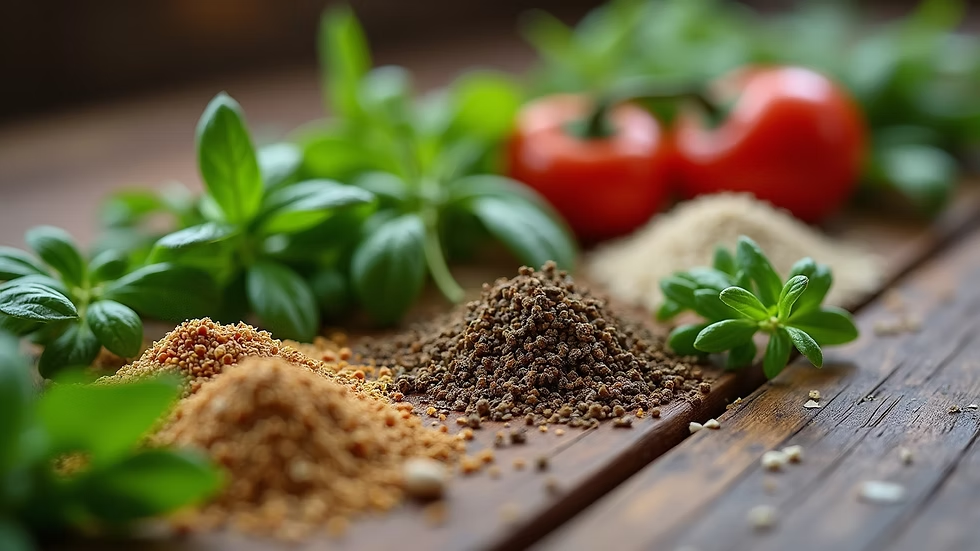
Where cookie profiles are likely to convey richness and familiarity, the spices may be used to add fragrance, warmth, and depth of flavor. Each has its sensory attributes: cinnamon, ginger, cloves, nutmeg, cardamom and black peppercorn. When they are combined in a thoughtful way, they form some sort of a profile that builds up gradually through the palate and is not a one-note composition.
Spiced drinks are also flexible in the various serving options. Warm preparations are inherently more focused on the comforting aromatic value and iced preparations can offer the same ingredients in a refreshing form. This allows beverage businesses the flexibility to match an identifiable spice profile to various seasons, events and customer needs.
Tea Is a Good Base for Spices
Opportunities of layered beverages are naturally presented by tea and spices. Tea imparts the familiar quality and aromatic components develop on that basis. The resulting blend may seem complete than a drink built around sweetness alone since a number of taste factors build to the ultimate impression.
Another ingredient that is usually appropriate to this type of drink is milk. Its creamy texture is capable of diluting more aggressive spice notes and contributes to the formation of a full-bodied mouthfeel. Sweet ingredients like honey can also tie the tea and spice attributes so long as the recipe does not become lopsided, where the sweetness takes over.
Balancing Sweet, Creamy and Aromatic Notes
Balance is particularly critical when the recipes of the beverages include a number of expressive ingredients. Excessive sweetness will swamp the delicate spicing, whereas too much seasoning will overwhelm tea, coffee, or dairy. Effective development will thus rely on what flavor will take the lead and what will be supportive.
In the case of dessert-type recipes, the baked profile can be made the dominant theme and espresso the contrast. With spiced tea recipes, the tea and the spices may be used in the foreground, and milk and sweetness used to make a smoother background. The combinations needed vary with proportions and thus recipe testing is necessary.
Final Thoughts
What is memorable about a specialty drink beyond the initial drink? A good hook can also be achieved by taking familiar flavors and putting them in a new format, such as adding buttery cookie undertones to a cup of coffee or adding layered spices to a creamy tea confection.
To beverage professionals trying dessert-inspired recipes as well as aromatic recipes, DaVinci Gourmet offers options to flavors in the format of these exotic profiles. Its chai tea spice syrup, available as the Spiced Chai product, is a mixture of tea extract and honey with cinnamon, ginger, cloves, nutmeg, cardamom and black peppercorns that becomes part of drink concepts of warm spice character. Delicate ratios and careful planning can assist cafes, restaurants, and beverage makers to transform these common flavors into an enticing menu experience.







Comment