
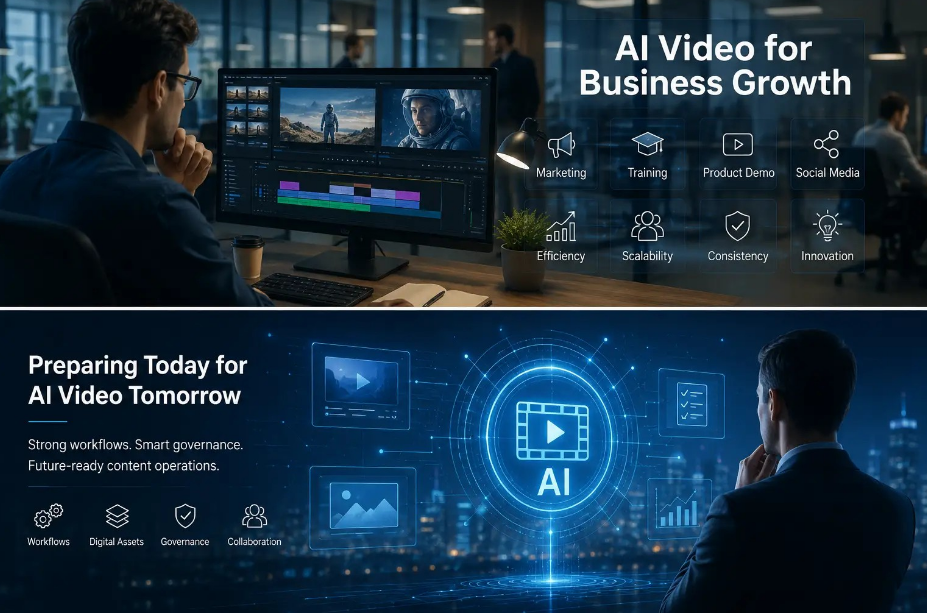
Artificial intelligence is transforming how organizations create, manage, and distribute digital content. While early adoption focused on text generation and image creation, video is rapidly becoming the next strategic capability for enterprise communication. Marketing campaigns, employee training, customer education, product demonstrations, and social media increasingly rely on scalable, high-quality video production.
Among the upcoming AI video technologies attracting industry attention is Seedance 2.5. Although it has not officially launched, the growing discussion around its development reflects a broader industry shift. Businesses are beginning to prepare for a future in which AI-powered video becomes an integrated part of everyday content operations rather than a specialized creative resource. The conversation is becoming less about a single model and more about whether organizations are operationally ready for the next generation of AI-driven content creation.
AI Video Is Becoming a Core Business Capability
The growing demand for digital content has fundamentally changed how organizations approach video production. Instead of producing only a handful of large campaigns each year, businesses are now expected to deliver a continuous stream of marketing videos, product updates, customer communications, employee training materials, and localized content across multiple channels.
This shift places greater pressure on marketing and creative teams to improve efficiency while maintaining quality, consistency, and brand standards.
As a result, business leaders are asking more operational questions than technical ones:
- Can existing workflows support AI-assisted production?
- Are digital assets centralized and easy to access?
- Can marketing, design, legal, and communications teams collaborate efficiently?
- Are review and approval processes ready for higher production volumes?
These operational capabilities often determine long-term success more than the selection of any individual AI platform.
Strengthening the Foundation Before New Technology Arrives
Organizations that prepare before adopting new technologies generally experience smoother implementation, lower operational costs, and faster team adoption.
Rather than waiting for the next AI video platform to become available, businesses can strengthen the systems that already support content production.
Preparation may include:
- Building centralized digital asset libraries
- Standardizing creative briefs and campaign documentation
- Creating reusable production templates
- Organizing approved brand resources
- Improving cross-functional collaboration
- Establishing consistent publishing and review workflows
Many organizations are already preparing for Seedance 2.5 adoption by reviewing their existing content operations instead of waiting for the official release. This preparation is less about predicting future product features and more about improving workflow standardization, digital asset management, and organizational collaboration that will remain valuable regardless of which AI platform is eventually adopted.
Looking Beyond Individual AI Models
The AI video market will continue to evolve as new technologies enter the industry. Instead of redesigning internal processes around every product announcement, organizations are increasingly building flexible content operations that can adapt to continuous innovation.
Industry discussions surrounding Seedance 2.5 are encouraging business leaders to think beyond product comparisons and focus on long-term operational readiness. Rather than asking which AI model will perform best, organizations are evaluating how future Seedance 2.5 AI video creation could fit into enterprise workflows, digital asset management, governance, and scalable content operations.
Since the model has not officially launched, businesses have an opportunity to strengthen these foundations now, making future AI adoption more efficient and significantly reducing implementation risks.
Governance Will Become a Competitive Advantage
As AI-generated media becomes increasingly common, governance is evolving from a technical consideration into a strategic business responsibility.
Organizations should establish clear standards covering:
- Copyright ownership
- Licensing compliance
- Brand consistency
- Human review procedures
- Responsible AI use
- Data security
- Internal accountability
Strong governance frameworks help reduce operational and legal risks while strengthening customer trust, supporting regulatory compliance, and enabling sustainable business growth.
Measuring Success Through Business Outcomes
One of the biggest misconceptions surrounding AI adoption is that producing more content automatically creates more business value.
Successful organizations evaluate AI by its contribution to business performance rather than production volume.
Meaningful performance indicators include:
- Faster campaign execution
- Reduced production costs
- Improved collaboration across departments
- More consistent brand communication
- Shorter approval cycles
- Better utilization of creative resources
These operational metrics provide a much clearer understanding of long-term business impact than content output alone.
Looking Ahead
Every new generation of AI technology creates new opportunities, but sustainable competitive advantages rarely come from being the first organization to adopt a new platform. They come from being operationally prepared to integrate innovation into existing business processes.
Whether enterprise AI video continues to evolve through Seedance 2.5 or other emerging platforms, businesses that begin preparing today will be better positioned to evaluate future technologies, integrate them into existing operations, and build sustainable competitive advantages through stronger content workflows, better governance, and more resilient content operations.