
How Better Cater Helps Caterers Save Time and Manage Events

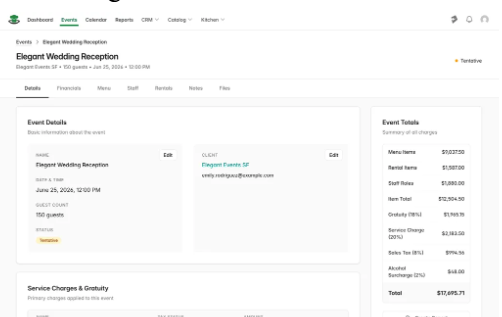
Ask any caterer what they would do with an extra ten hours a week, and the answers are usually the same: spend more time with family, develop new menus, call more prospects, or simply sleep. The sad truth is that much of a caterer’s week disappears into administration. That is the problem Better Cater catering software is designed to ease. Better Cater brings the paperwork of an event into one place.
A client proposal can be put together from saved menus and pricing, so a wedding quote or an office lunch offer goes out in minutes. Once the booking is confirmed, the event documents give the team the schedule, guest count, and service notes in a single sheet. The kitchen sheets turn the same menu into what chefs need to prepare and when. After the event, the event profit analysis shows what the booking actually earned compared with what was quoted.
Faster Responses Win More Work
Clients planning an event often contact several caterers at once, and the first clear, professional reply has a real advantage. Writing each proposal from scratch makes quick replies difficult. When menus, packages, and prices are stored in one place, a quote can be assembled in minutes instead of hours. Faster, more polished replies can turn into extra bookings without any extra advertising.
Less Retyping, Fewer Mistakes
Every time information is typed again, there is a chance it will be typed wrongly. A menu item is described differently in two documents, or a guest count is updated in one place but not another. Connecting your documents to a single source means you change something once and it updates wherever it appears. The benefit is saved time and greater confidence that everyone is working from the same, correct information.
Staying Organised as You Grow
Small caterers can often keep everything in their heads or in a notebook, but that approach becomes stressful as events multiply. Dedicated catering software gives the business a shared memory. Event dates, menus, staff assignments, and client notes sit in a clear structure. New team members can find answers without interrupting you, and you can take a day off without worrying that critical details are locked inside your own mind.
Clearer Communication With the Kitchen
The kitchen is where plans become real, and handwritten notes or last-minute messages invite misunderstandings. Clear event documents and production lists give chefs quantities, timings, and dietary requirements. Because they come from the same data as your proposals, they stay consistent with what the client was promised. Fewer questions flow back to the office, and fewer surprises appear on the day, which means calmer service and less waste.
Better Control Over Pricing and Profit
Many caterers know their revenue but are unsure of their true profit. When menu items are linked to costs, you can see what each package is likely to earn and notice when ingredient prices affect your margins. You can compare event types and decide where to focus. That clarity helps you set prices with confidence and defend them when a client pushes back, which makes profitable growth much easier.
Smoother Invoicing and Cash Flow
Costs for food, staff, and equipment are paid before final payments arrive, so cash flow matters. Creating invoices from the event record is faster and reduces mistakes. Tracking deposits and balances helps you see who owes what, so follow-up is organised instead of awkward. Healthier cash flow reduces financial stress and gives you more room to invest in equipment, staff, or larger events.
Handling Changes Without Panic
Guest counts rise, menus are adjusted, and timings move. The danger lies in changes that are not communicated or priced properly. A connected system makes changes visible and helps updates reach the people who need them. You can see how a change affects cost and discuss adjustments with the client based on facts, which protects both your margins and your reputation.
Turning Time Saved Into Growth
The most important benefit of saving time is what you do with it. Hours recovered from administration can go toward following up leads, building relationships with venues and planners, refining menus, or training your team. Software cannot replace good food or genuine hospitality, but it frees you to focus on both, and that breathing space is what makes growth possible.
Getting Started Sensibly
Begin with a clear picture of where time is lost and where mistakes occur. Involve your team, ask vendors to demonstrate your real scenarios, and consider a small pilot. Enter your most-used menus first and add detail over time. Be patient during the early weeks, then measure results after a few months, such as time spent on proposals and the number of corrections reaching the kitchen.





Comment