
How AI Is Reshaping Digital Content, Engagement, and Search Visibility in 2026

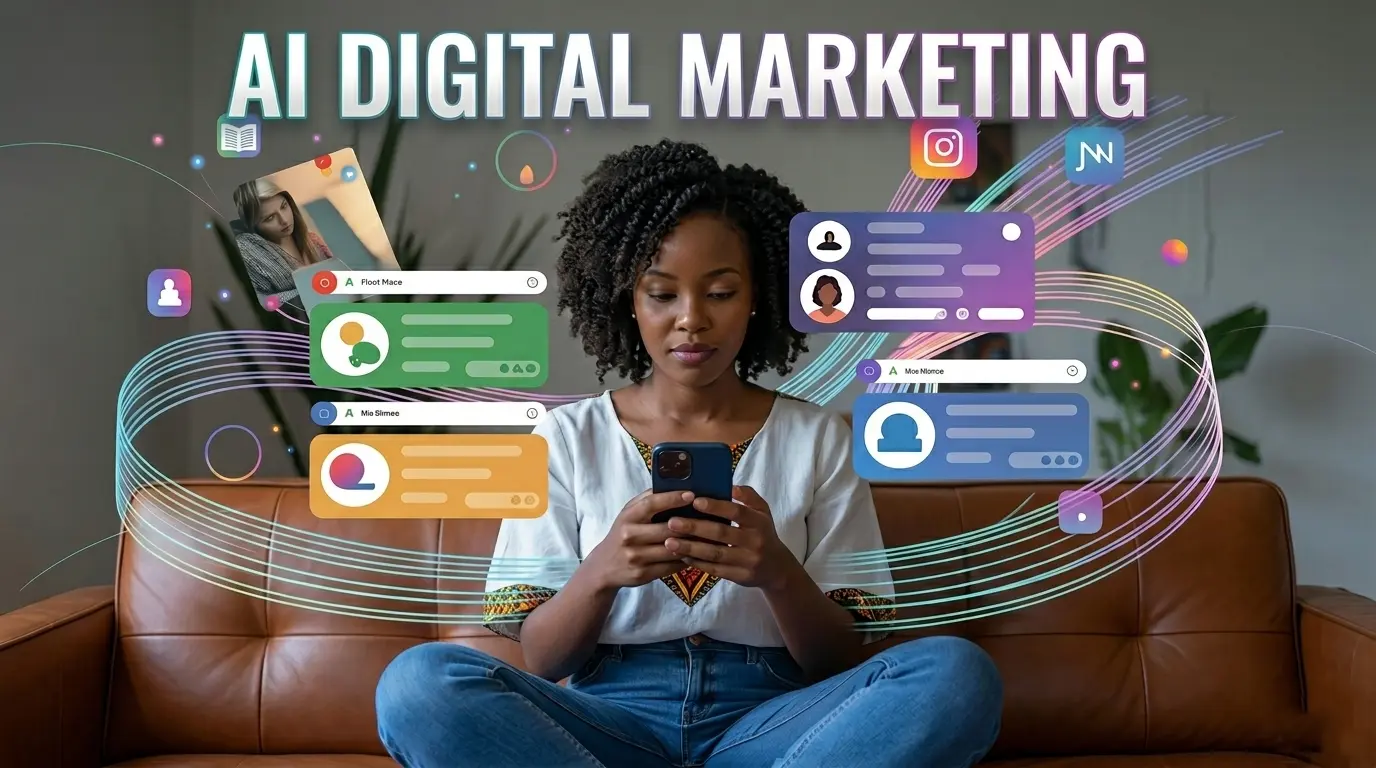
The way people create, consume, and discover content online has changed more in the last three years than in the previous ten. Artificial intelligence now sits behind much of it, from the videos we watch to the puzzles we play over morning coffee to the way businesses get found on search engines. For brands, publishers, and creators, understanding how these forces connect is no longer optional. Here is how three linked areas are evolving, and what it means for anyone building an online presence.
The Rise of AI-Powered Content Creation
Generative AI has moved from novelty to everyday business tool. Marketing teams use it to draft copy, produce visuals, summarize research, and localize campaigns for different markets. Training and HR departments use it to build explainer videos without a film crew. Solo founders use it to do the work of an entire creative team.
One of the fastest-growing applications is the AI avatar: a realistic digital presenter that can deliver a script on camera in many languages, with consistent branding and no studio setup. For companies that once found video too expensive or too slow, this has opened the door to regular, professional-looking video content.
The practical benefits are easy to see:
- Speed: a video that once took days of planning, filming, and editing can now be produced in a fraction of the time.
- Cost: there is no need for cameras, lighting, studios, or on-screen talent for every project.
- Scale: a single script can become dozens of localized versions with little extra effort.
- Consistency: the same presenter and tone can appear across product demos, tutorials, and internal communications.
Where AI Content Still Falls Short
The technology is impressive, but it has clear limits. Audiences are getting better at spotting generic, low-effort output, and trust drops quickly when content feels mass-produced. AI tools can also repeat errors, flatten a brand’s voice, or produce material that looks polished but says very little.
The brands that benefit most treat AI as an accelerator for human ideas rather than a replacement for them. A strong workflow usually looks like this: a human defines the message and audience, AI helps produce the first version, and a human editor refines, fact-checks, and adds the insight that makes the piece worth reading. Original perspective, real experience, and clear point of view remain the things AI cannot supply on its own.
Why Daily Habits Drive Online Engagement
While AI changes how content is made, some of the most durable engagement still comes from simple daily rituals. Word and logic puzzles are a clear example. Millions of people open the same puzzle every morning, and when they get stuck they look for a nudge rather than a full spoiler.
That behavior has created a thriving niche: puzzle-help content. Players of the New York Times word-search game look for themed clues and spangram guidance each day, and sites like Strands Hint exist to serve that exact need with timely, easy-to-scan answers.
The lesson here reaches well beyond games. Content built around a daily or weekly habit has several advantages over content chasing one-off trends.
Predictable demand beats viral spikes. A viral article can bring a burst of visitors that disappears within days. Content tied to a recurring habit brings steady, repeat traffic that is easier to plan around and easier to grow.
Speed and accuracy build loyalty. When readers know a site will have the right answer early in the day, they return without being reminded. That repeat behavior is one of the strongest signals of audience trust.
Clarity wins. People looking for quick help do not want long introductions. A clean layout, a clear answer, and an easy way to find more detail keep visitors satisfied and reduce bounce.
Niche focus builds authority. Covering one topic deeply and consistently often beats covering many topics shallowly. Over time, a focused site becomes the default reference for its subject.
Publishers in any industry can apply this thinking. Ask what your audience needs regularly, then build the most reliable and useful resource for it.
Search Visibility Is Becoming Harder, and More Important
As AI-generated pages flood the web, search engines are raising the bar. Search systems increasingly reward original insight, clear expertise, and trustworthy sourcing. AI-generated summaries at the top of results also mean that simply ranking is no longer the whole story. Content now has to be useful enough to be cited, clicked, and remembered.
This shift is changing what good optimization looks like. The old playbook of publishing large volumes of thin pages and building links without regard to quality is losing effectiveness. What works now is a more balanced approach:
- Technical health: fast loading, mobile-friendly design, clean site structure, and pages that search engines can crawl and understand.
- Topical authority: covering a subject thoroughly so that search engines and readers see the site as a dependable source.
- Quality links and mentions: earning references from relevant, reputable publications rather than chasing volume.
- Helpful content: pages written to answer real questions, not to fill keyword lists.
This is why many businesses are rethinking how they approach organic growth. Working with the Best SEO Agency or a comparable specialist can help companies navigate a shifting landscape, particularly those without in-house expertise. A good partner will audit the site, identify gaps, build a realistic content plan, and measure results in terms of business outcomes rather than vanity metrics. The aim is not shortcuts. It is building a site that deserves to rank.
How These Three Trends Work Together
AI, habit-driven content, and search strategy used to sit in separate boxes. Now they feed each other.
AI speeds up production, which lets small teams publish more consistently. Consistent publishing around real audience habits builds loyal, returning readers. Strong SEO then connects that content to the people searching for it, and the traffic and engagement that follow reinforce the site’s authority. Each piece strengthens the others when handled well, and each can backfire when handled badly. Fast AI content without editorial care erodes trust, and great content without search visibility goes unseen.
What Smart Brands Should Do Next
Putting these ideas into practice does not require a large budget, but it does require discipline. A practical starting plan looks like this:
- Use AI to speed up production, but keep a human editor in the loop. Originality and accuracy are your differentiators, so protect them.
- Build around real audience habits. Find the questions people ask repeatedly in your niche and answer them better than anyone else.
- Invest in sustainable SEO. Authority built on quality content and credible mentions compounds over time, while shortcuts tend to unravel.
- Be transparent. Audiences and search engines both reward honesty about how content is made and who stands behind it.
- Measure what matters. Track repeat visits, engagement, and conversions, not just raw traffic.
- Review and refresh regularly. Update older content so it stays accurate, since stale pages quietly lose both rankings and reader trust.
Final Thoughts
The digital landscape in 2026 rewards those who combine new tools with old fundamentals. AI makes creation faster and cheaper, but the basics still decide who wins: understand your audience, serve them reliably, and earn trust. Businesses that learn to blend automation with human judgment, and that pair strong content with a thoughtful search strategy, will be best placed to grow in an increasingly crowded online world.







Comment