
How AI Image Generation Is Transforming Digital Creativity: A Practical Look at Nano Banana

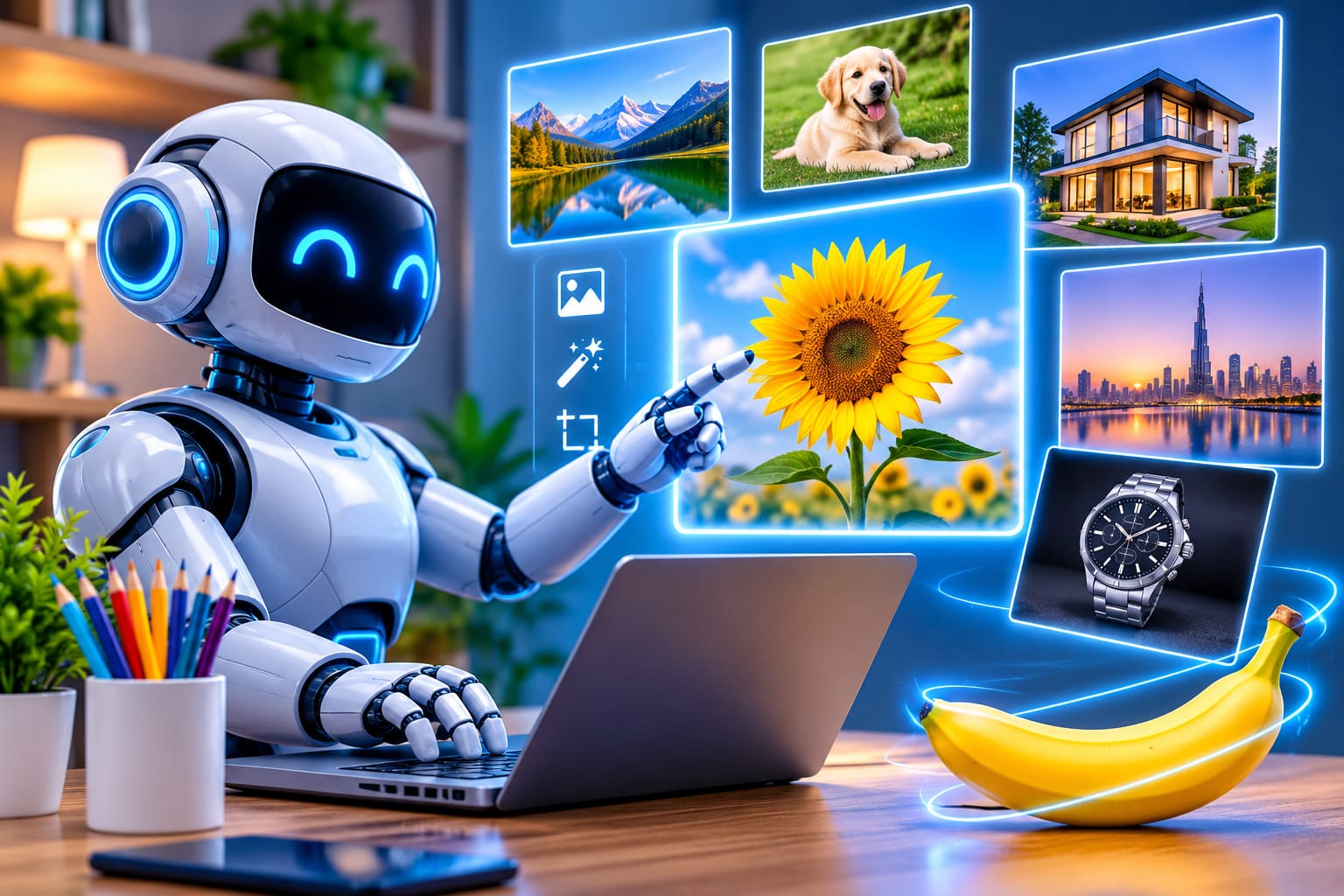
Artificial intelligence is changing the way people create, edit, and use visual content. Tasks that once required professional photography equipment, advanced graphic design software, and hours of manual editing can now be completed with AI-powered creative tools. From generating realistic product images to transforming ordinary photographs into entirely new visual concepts, AI image technology is making digital creativity more accessible.
Among the tools attracting attention in this space is Nano Banana, which represents a growing interest in making image generation and editing easier through natural-language instructions. Rather than relying entirely on complicated editing techniques, users can describe the changes they want and let AI assist with the creative process.
Understanding how these tools work, where they provide value, and how to use them effectively can help individuals and businesses make better visual content.
Understanding the Technology Behind AI Image Generation
An AI image generator uses machine learning models to create visual content based on text descriptions, reference images, or a combination of both. A user might enter a prompt describing a modern living room, a product photograph, or a futuristic cityscape. The system then interprets the instructions and generates an image that reflects the requested concept.
Text-to-image technology has become particularly useful because it reduces the technical barriers associated with traditional graphic design. Users no longer need advanced illustration skills to experiment with different visual styles.
Modern AI-powered image creation tools can support several activities, including:
- Creating original illustrations from written descriptions.
- Producing realistic product and lifestyle images.
- Changing backgrounds and visual environments.
- Adjusting lighting, colors, and artistic styles.
- Developing visual concepts for marketing campaigns.
- Editing existing photographs through text instructions.
These capabilities make AI image generation useful for professionals as well as beginners.
How Nano Banana Fits Into Modern AI Creative Workflows
AI image editing is becoming more sophisticated, particularly with tools that allow users to work with existing images instead of starting from scratch.
For people exploring this approach, nano banana is a relevant option to investigate. It provides a way to explore AI-powered image creation and editing through a more accessible creative workflow. Users interested in experimenting with AI-generated visuals can also explore the available features and capabilities at ibbo.ai.
The important advantage of this type of workflow is the ability to communicate creative ideas through written instructions. Instead of manually adjusting every visual element, users can describe the desired result and refine it through additional prompts.
For example, imagine a small business owner who has a basic photograph of a handmade product. They want to use the photograph in an online advertising campaign but need a more professional presentation.
A traditional workflow might involve arranging a photography setup, adjusting lighting, removing the background, and editing the final image. An AI-assisted approach can help simplify several of these steps.
The user could request a clean studio background, softer lighting, natural shadows, and a more balanced composition while retaining the original product’s appearance.
This makes AI image editing particularly useful when time, resources, or technical expertise are limited.
Practical Applications of AI-Powered Image Editing
The usefulness of AI image tools extends beyond entertainment and experimental artwork. They are increasingly relevant to everyday creative and professional activities.
1. E-commerce Product Photography
Online stores depend heavily on product images to communicate quality and attract customers. However, professional product photography can become expensive when businesses regularly introduce new products.
AI-powered editing can help sellers create different backgrounds, improve image presentation, and develop consistent visual styles across product listings.
For example, a seller offering watches could experiment with minimalist studio backgrounds, wooden surfaces, or luxury-inspired settings. The original product should remain accurate so customers are not misled about what they are purchasing.
2. Social Media Content Creation
Social media platforms reward engaging visual content, making image production an important part of digital marketing.
Content creators can use AI image generators to develop thumbnails, promotional graphics, illustrations, and campaign visuals. Instead of repeatedly searching for stock photographs, they can generate images that better match their content themes.
AI tools can also help creators maintain a consistent visual identity by using similar colors, compositions, and artistic styles across multiple posts.
3. Marketing and Advertising
Marketing teams frequently need multiple visual variations for different audiences and advertising placements.
An AI photo editor can help generate alternative backgrounds, adjust image dimensions, and explore different creative directions without rebuilding every design manually.
For instance, a travel company promoting holiday packages might create several visual concepts featuring beaches, mountains, and city destinations. These variations can help the marketing team test which presentation attracts more attention.
4. Personal Photography and Creative Projects
AI image editing also provides opportunities for personal creativity. Users can improve old photographs, experiment with artistic effects, remove distracting background elements, and develop imaginative compositions.
A simple portrait, for example, could be transformed into a cinematic photograph with carefully adjusted lighting and a different background.
However, users should preserve the natural appearance of people when realistic photographs are important, particularly when the images are intended for professional or documentary purposes.
Writing Better Prompts for More Accurate Results
The quality of an AI-generated image often depends on the instructions provided. A short, unclear prompt may produce an unpredictable result, while a detailed description gives the system more useful direction.
A good prompt should explain the subject, environment, lighting, composition, and desired visual style.
Consider the following example:
Basic prompt:
Create a product image of a modern wristwatch.
Improved prompt:
Create a realistic commercial product photograph of a modern stainless-steel wristwatch placed on a dark marble surface. Use soft studio lighting, subtle reflections, a clean background, and a premium luxury advertising style. Keep the watch centered and make the product details sharp and clearly visible.
The second prompt provides much more context, helping guide the image-generation process.
Useful Prompt-Writing Tips
- Describe the main subject: Clearly explain what should appear in the image.
- Specify the environment: Mention the background, location, or surroundings.
- Explain the lighting: Use descriptions such as natural daylight, soft studio lighting, or dramatic shadows.
- Choose a visual style: Specify realistic photography, digital illustration, watercolor, or cinematic imagery.
- Define the composition: Explain whether the subject should be centered, positioned to one side, or shown from a particular angle.
- Mention what to preserve: When editing an existing photograph, identify the important elements that should remain unchanged.
Another useful technique is to make small adjustments rather than changing everything at once. If the first result looks good but the background is distracting, request a background adjustment without unnecessarily modifying the main subject.
Common Challenges When Using AI Image Generators
Although AI-powered creative tools offer considerable flexibility, they are not perfect. Understanding their limitations helps users achieve more reliable results.
Inconsistent details: Some generated images may contain distorted text, unusual object shapes, or inaccurate small details. Product images and professional materials should always be reviewed carefully.
Difficulty maintaining visual consistency: Creating multiple images with the same character, object, or design style can sometimes require additional reference images and carefully written prompts.
Unintended changes: When editing existing photographs, AI may modify elements that users wanted to preserve. Clear instructions and repeated checks can reduce this problem.
Copyright and usage considerations: Users should review the applicable terms of service and licensing conditions before using generated images commercially. They should also avoid uploading photographs or confidential material without appropriate permission.
These limitations do not eliminate the benefits of AI image generation, but they highlight why human review remains an important part of the creative process.
The Future of AI-Assisted Visual Content
AI image generation is moving toward more flexible creative workflows in which generating, editing, and refining visuals become connected activities.
Rather than treating image creation as a single process, users can increasingly approach it as a series of improvements. They can begin with an idea, generate an initial image, adjust individual elements, and refine the result until it meets their requirements.
This approach could be particularly valuable for small businesses, independent designers, online publishers, and content creators who need quality visuals without maintaining large creative teams.
At the same time, professional judgment will remain important. Understanding composition, lighting, audience expectations, and visual communication will continue to distinguish useful creative work from images that simply look impressive.
Conclusion
AI image generation is changing how individuals and businesses approach visual content. From e-commerce photography and social media graphics to personal projects and marketing campaigns, these tools offer practical ways to turn ideas into images with less manual effort.
Nano Banana is part of the wider interest in accessible AI-powered image creation and editing. By combining clear prompts, thoughtful experimentation, and careful quality checks, users can make these technologies a valuable addition to their creative workflows.
The best results come from treating AI as a creative assistant rather than a complete replacement for human imagination and expertise.





Comment