
How these machines deliver secure, leak-resistant connections for industrial use

Core Components of a Hose Crimping Machine
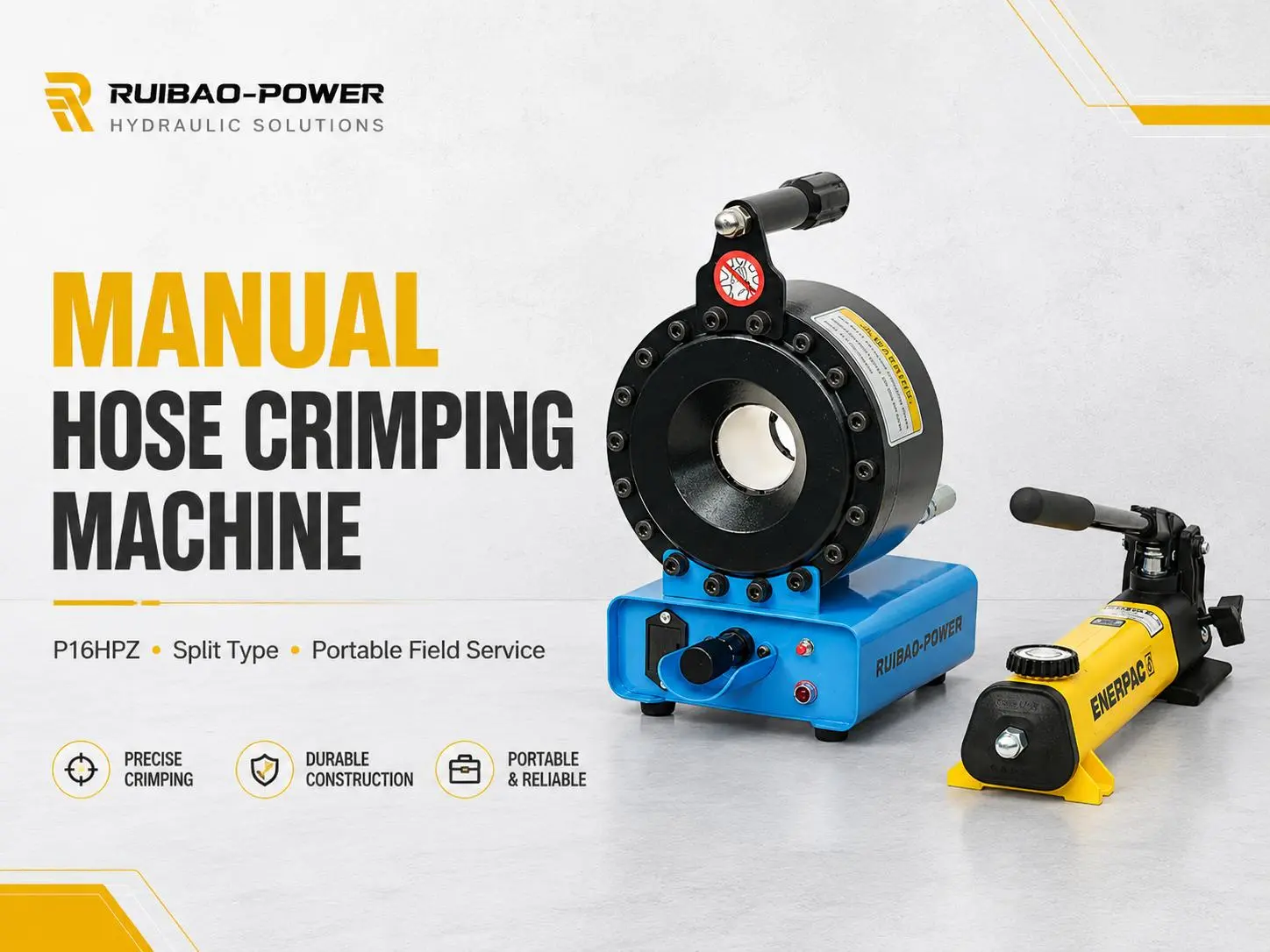
When you walk into a modern hydraulic repair shop or an automotive manufacturing floor, the hose crimping machine stands out as a workhorse that rarely gets its due. Every part of this tool serves a critical purpose, and overlooking even a small component can lead to costly failures down the line. Let’s break down each element in detail: the crimping head is the beating heart of the machine—this is the rigid, steel-framed structure that applies controlled pressure to squeeze a metal fitting onto the outer layer of a rubber or thermoplastic hose. Most high-quality crimping heads are forged from hardened tool steel to withstand tens of thousands of crimp cycles without bending or wearing unevenly. Next is the power unit, which comes in two primary types: hydraulic and electric. Hydraulic units use pressurized fluid to generate extreme force, making them ideal for heavy-duty hoses used in construction, mining, or agriculture that handle pressures up to 10,000 PSI. Electric units, by contrast, are quieter, more energy-efficient, and require less maintenance, so they’re the go-to for small automotive workshops or automotive assembly lines where noise and space are concerns. Then there’s the die set, a collection of segmented metal rings that match the exact outer diameter of the fitting and inner diameter of the hose. Dies are made from either tool steel (affordable for light to medium use) or carbide (durable for heavy-duty, high-volume jobs), and choosing the wrong size is one of the most common mistakes new operators make. I remember a local hydraulic repair shop in Detroit a few years back: their part-time technician grabbed a die set that was 1/32 inch too small for a 1-inch hydraulic fitting, and when they tested the crimped hose at 5,000 PSI, the fitting split open. That error cost them $2,000 in parts and almost lost a regular client who needed 10 hoses for their dump truck fleet. Another key component is the control panel: modern models have digital displays that show real-time crimp force, cycle count, and error alerts, while basic machines use manual dials for force adjustment. Safety guards are non-negotiable here—they cover the gap between the crimping head and dies to prevent hands from getting caught, and many newer machines have proximity sensors that stop the cycle if an object is detected in the crimp zone. The hose positioner is often overlooked but essential: it holds the hose and fitting perfectly aligned during crimping, so neither shifts mid-cycle, which would cause an uneven, leak-prone connection.
Working Principle & Operational Steps
The core idea behind a hose crimping machine is simple: create a permanent, leak-proof bond between a metal fitting and a hose by deforming the fitting’s outer surface to grip the hose’s wall tightly. But the execution requires precision, and skipping steps can lead to problems. Let’s walk through the standard operational process for a semi-automatic hydraulic crimping machine, which is the most common type for mid-sized businesses. First, prepare the hose: cut it to the exact length needed using a sharp hose cutter—crooked cuts are a top cause of uneven crimps, so take time to make a straight, clean cut. Next, deburr the hose’s cut end to remove any rough edges or metal shavings; this prevents tearing the hose’s inner lining when inserting the fitting, which would create a weak spot that leaks over time. Then, insert the fitting into the hose until it hits the internal stop line marked on the fitting—this ensures the fitting is seated all the way, so there’s no gap between the fitting and hose. The next step is selecting the correct die set: check the machine’s manual or use the on-board die selector to match the fitting’s outer diameter and the hose’s inner diameter. For example, a 3/4-inch air brake hose needs a die set calibrated to apply exactly 12,000 PSI of crimp force to meet FMVSS standards. Once the die is locked into the crimping head, use the hose positioner to align the hose and fitting assembly so the fitting is centered in the die. Then, input the crimp parameters into the control panel: most machines let you choose between setting crimp force or crimp diameter, depending on the application. I talked to a construction foreman in Houston last year who used manual crimping pliers for his excavator hoses before buying a semi-automatic machine. He said manual crimping took 15 minutes per hose, and about 15% of his hoses would leak within a month because the pressure was inconsistent across each crimp. After switching to the hydraulic machine, his team cuts assembly time to 3 minutes per hose, and the leak rate dropped to less than 2%. The final steps are executing the crimp: press the start button, and the crimping head closes the dies around the fitting, holding pressure for 2-3 seconds to let the metal set. Once the cycle finishes, the machine releases the dies, and you remove the crimped hose. Always do a post-crimp inspection: check that the fitting is fully seated, the crimp is uniform around the entire circumference (no gaps or uneven squeezing), and there are no cracks in the fitting or hose. Some advanced machines even have a built-in pressure test feature that lets you run a quick, non-destructive test to confirm the connection can handle the required pressure before the hose leaves the shop.
Key Applications Across Industries
Hose crimping machines are used in nearly every industry that relies on fluid transfer, from small residential plumbing shops to large aerospace manufacturing plants. Their versatility makes them indispensable for ensuring connections are reliable, safe, and long-lasting. Let’s look at some of the most common and impactful uses with real-world examples. The automotive industry is one of the largest users: brake hoses, fuel lines, power steering hoses, and air conditioning lines all need precise crimping to handle extreme pressure and temperature fluctuations. A German automotive plant I visited last year uses fully automatic crimping machines for their brake line assemblies, which can produce 500 lines per hour. Every crimp is tested to meet ISO 10326 standards, Hose Cutting Machine and the plant hasn’t had a single recall related to hose connections in three years— a testament to how consistent these machines are. Next, agriculture: farms use crimped hoses for irrigation systems, tractor hydraulics, and crop sprayer lines, where leaks can lead to wasted water, reduced crop yields, or lost chemicals. A 2,000-acre corn farm in Iowa switched from threaded fittings to crimped hoses three years ago, and they’ve cut water waste by 10% because the crimped connections don’t leak. During the 2022 drought, this saved them over $15,000 in water costs alone. Construction is another major sector: excavators, cranes, and bulldozers have heavy-duty hydraulic hoses that handle up to 8,000 PSI, and a broken hose can halt a project for hours. A Dallas-based construction company uses portable crimping machines on job sites to replace broken hoses in 30 minutes, instead of sending them to a repair shop (which would take 2-3 days and delay projects). This small change saves them an average of $20,000 in downtime costs each year. The marine industry also relies heavily on crimping machines: boat hydraulic steering systems and winch lines operate in saltwater, which causes corrosion, so crimped connections need to be sealed and made with corrosion-resistant dies. A Florida boat repair shop uses stainless steel dies for all their marine hose assemblies, and they’ve seen a 30% increase in customer satisfaction because their hoses last twice as long as those made with threaded fittings. Even the food and beverage industry uses these machines: hoses for transferring milk, soda, or cooking oil need to be non-toxic and easy to clean, and crimped connections prevent bacteria from getting trapped between the fitting and hose. A Wisconsin dairy plant uses crimping machines calibrated monthly to ensure no metal shavings get into their milk, and they’ve passed every FDA inspection with zero issues. Mining is another specialized use: heavy mining equipment uses hoses up to 4 inches in diameter that handle 10,000 PSI, and a Wyoming mining company uses custom crimping machines that can handle these large hoses, reducing their hose replacement time by 40%.
Maintenance & Troubleshooting for Longevity
Like any industrial machine, hose crimping tools require regular maintenance to avoid unexpected breakdowns, extend their lifespan, and ensure consistent results. Skipping maintenance can lead to costly repairs, lost business, or safety hazards. Let’s go over a practical maintenance schedule and common troubleshooting tips that I’ve seen work for small shops and large industrial facilities alike. First, daily checks: before using the machine every day, inspect the safety guards to make sure they’re intact and working—damaged guards are a major safety risk. For hydraulic machines, check the hydraulic oil level; low oil can lead to weak crimps or damage to the pump. Also, look for loose bolts around the crimping head and control panel, as vibration from cycles can cause parts to come loose over time. A hydraulic service provider in Chicago I partner with follows this daily routine for their five crimping machines, and they say this simple step has reduced their emergency repairs by 70%. Weekly maintenance: every week, lubricate the die set’s moving parts and the crimping head’s guide rails with a manufacturer-recommended lubricant—using the wrong oil or grease can damage seals or cause the dies to stick. Also, clean the machine’s surface to remove dust, metal shavings, and hose debris, which can get into the moving parts and cause wear. Monthly maintenance: once a month, calibrate the crimp force using a pressure gauge to ensure it’s accurate; over time, the machine’s pressure gauge can drift, leading to under or over-crimping. You should also inspect the die set for wear: if the dies have scratches, dents, or rounded edges, replace them immediately, because worn dies cause uneven crimps that leak. Now, common troubleshooting issues: let’s start with uneven crimps. The first thing to check is if the die set is aligned correctly, or if it’s worn. Also, make sure the hose is cut straight and deburred—rough hose ends can cause the fitting to seat unevenly. Another common problem is leaks after crimping: this can be due to using the wrong die size, not inserting the fitting all the way into the hose, or insufficient crimp force. If your machine isn’t powering on, check the power cord and circuit breaker first—loose connections are the most common cause. For hydraulic machines with weak crimp force, check the hydraulic oil filter; clogged filters reduce pressure, so replacing the filter can fix the issue. I remember a case where a crane repair company in Texas overrode their machine’s pressure relief valve to crimp a heavy-duty hose, and the fitting cracked, leading to a burst hose on a crane that cost $5,000 in repairs and 8 hours of downtime. That’s why it’s important to never override safety features. Operator training is another key part of maintenance: many small businesses hire untrained workers to operate crimping machines, leading to errors. A plumbing supply shop in Ohio hired a new operator who didn’t know how to align the hose correctly, leading to 10 bad crimps in a week, costing $300 in parts and lost sales. After sending the operator to a 2-day training course, their error rate dropped to zero. Keeping spare parts on hand is also wise: store extra die sets, hydraulic oil, and fuses to avoid waiting for deliveries when a part breaks. A Texas crane company keeps spare dies for all their crimping machines, so they can replace a broken die in 10 minutes instead of waiting 2 days for a shipment. By following these steps, a quality hose crimping machine can last for 10+ years, making it a valuable investment for any business that works with fluid transfer systems.





Comment