For online fashion brands, the product photo is the product. Shoppers cannot touch the fabric or try the item on, so they decide based on what they see. A clear, professional image builds trust. A flat or messy one creates doubt. This is why product photography has always been one of the biggest costs for clothing sellers — and why a new wave of AI tools is changing how that work gets done.
One of the clearest examples of this change is ghost mannequin photography.
What ghost mannequin photography is
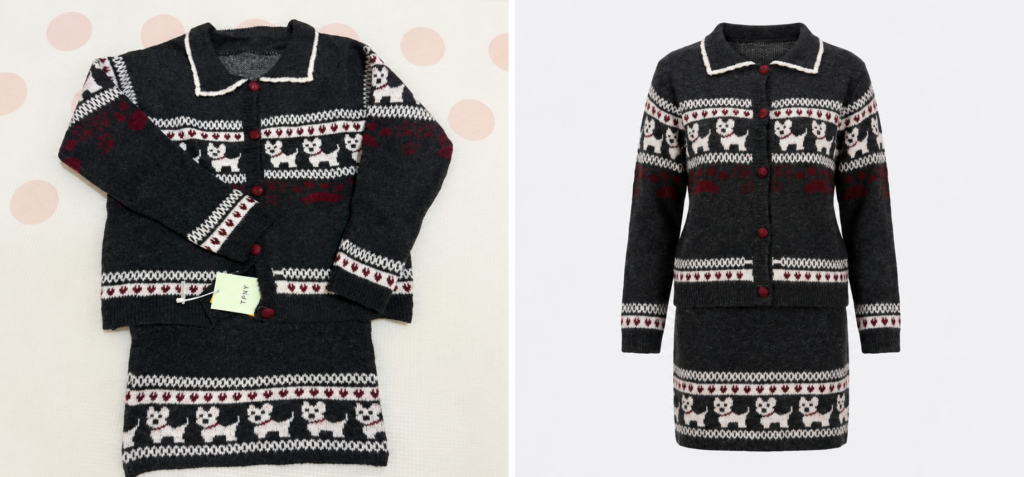
A ghost mannequin image shows a piece of clothing as if an invisible person is wearing it. The garment keeps its shape — you can see the collar, the sleeves, and the fit — but there is no model and no visible mannequin. The item looks clean and seems to float on a white background.
This style is popular for good reason. It shows the true shape of a product without the distraction of a model, and it keeps a store looking neat and consistent. Shoppers can see how a shirt or dress actually sits, which helps them feel sure before they buy.
The problem is that the traditional method is slow and costly. A studio team dresses a real mannequin, takes photos from several angles, and then an editor removes the mannequin by hand in software. For a brand that adds new items every week, this adds up fast in both time and money.
How AI changes the process
AI now handles most of this work automatically. Instead of a studio shoot and hours of editing, a seller can upload one simple photo of the garment and get a clean ghost mannequin image in seconds. The software reads the shape of the clothing, removes the background, and fills in the hidden parts so the item looks like it is worn by an invisible body.
Tools made for this job, such as an AI ghost mannequin tool, are built for fashion sellers who need many images quickly. What used to take a photographer, an editor, and most of a day can now happen on a laptop in minutes.
This matters most for small and mid-size brands. They often cannot afford a regular studio budget, but they still compete with large retailers who can. AI helps close that gap. A one-person store can now produce images that look close to what a big brand puts out.
Why this is more than a cost saving
It is easy to see AI ghost mannequin photos as just a cheaper option. But the real value is speed and flexibility.
Fashion moves fast. New styles, colors, and seasonal drops appear all the time. When a brand can turn a plain supplier photo into store-ready images on the same day, it can list products sooner and react to trends faster. Photography used to be a bottleneck. Now it is not.
There is also a marketing benefit. Clean, consistent images make a store look more professional, and that can lift trust and sales. When every product page follows the same clear style, shoppers focus on the clothes instead of being pulled away by mismatched photos.
What sellers should keep in mind
AI is powerful, but it is not magic. A few simple habits keep the results strong and honest.
First, keep the image true to the real item. The color, fit, and details should match what the customer will receive. A photo that looks better than the actual product leads to returns and poor reviews, which hurts far more than a plain image ever would.
Second, start with a decent input. AI works best when the first photo is clear and well lit. A blurry or dark supplier photo gives weaker results.
Third, check the final image before publishing. Most tools get it right, but a quick human review catches the rare odd shape or edge.
Used this way, modern AI product photography tools like Snappyit help a brand save time while keeping both quality and honesty.
More Than Just Ghost Mannequins
Ghost mannequin photography is just one example of a larger shift. AI is moving product imagery from a slow, studio-based task to a fast, software-based one. On-model shots, flat lays, color changes, and even short product videos are now following the same path.
For online fashion brands, the lesson is simple. Strong product images are no longer something only big companies can afford. The tools are now within reach of almost any seller. The brands that use them well — quickly, consistently, and honestly — will have an edge in a crowded market.
For sellers watching both their budgets and their calendars, that is a welcome change.