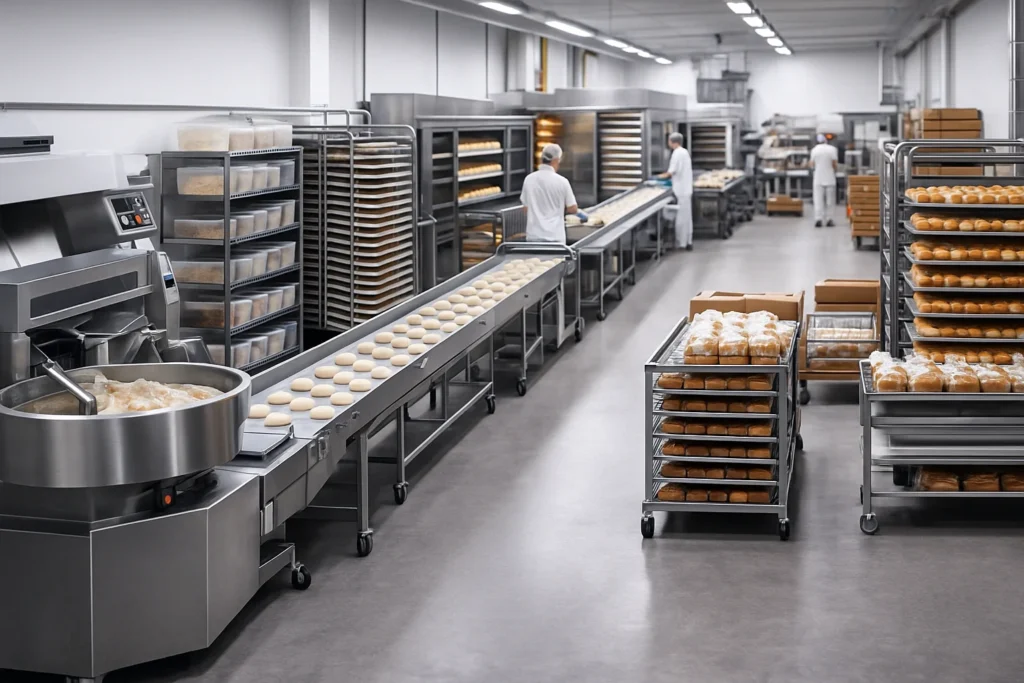
Running a bakery successfully is not only about good recipes or skilled staff. It is also about how well your entire setup works together. Every stage in the baking process — from mixing to proofing and baking — needs to be aligned for smooth production.
Many bakeries struggle not because of poor products, but because their workflow is not properly organized. Equipment may be available, but if it is not used efficiently or connected in the right way, it can slow down production and affect quality.
This is why modern bakeries focus on creating a complete system where each piece of equipment supports the next stage. One of the most important parts of this system is proofing, and using a controlled solution like a bakery proofer helps ensure that the process runs smoothly from start to finish.
Understanding the Complete Baking Process
To understand how equipment works together, it is important to look at the entire baking process step by step:
- Mixing the ingredients
- Kneading the dough
- Allowing the dough to rest and ferment
- Shaping the dough
- Final proofing
- Baking
Each stage depends on the previous one. If one step is not handled properly, it can affect the final result.
Why Workflow Matters More Than Individual Equipment
Many bakery owners focus on buying high-quality machines but do not always think about how those machines work together. Even the best equipment cannot deliver good results if the workflow is not efficient.
For example:
- If dough is not proofed properly, baking quality suffers
- If timing between stages is not balanced, delays occur
- If equipment placement is not optimized, productivity decreases
A well-planned setup ensures that everything works in harmony.
The Role of Proofing in the Baking System
Proofing is the stage where dough develops its final structure before baking. It is a critical step because it directly affects texture, volume, and appearance.
If proofing conditions are not controlled, even perfectly prepared dough can produce poor results. This is why integrating controlled proofing into the overall system is essential.
It helps maintain consistency and ensures that the dough is ready at the right time for baking.
Improving Coordination Between Equipment
In a well-organized bakery, each piece of equipment supports the next stage. For example:
- Mixers prepare dough efficiently
- Dividers ensure uniform portions
- Proofing systems prepare dough for baking
- Ovens deliver the final product
When these elements are properly aligned, the entire process becomes faster and more reliable.
Reducing Bottlenecks in Production
One common issue in bakeries is bottlenecks — points where production slows down. This often happens when one stage takes longer than others.
For example, if proofing takes too long or is inconsistent, it can delay baking and reduce overall output.
By using controlled systems, bakeries can reduce these delays and maintain a steady production flow.
Enhancing Speed Without Losing Quality
Speed is important, especially in busy bakeries. However, increasing speed should not come at the cost of quality.
A well-planned setup allows bakeries to work faster while maintaining high standards. Controlled proofing ensures that dough is ready on time without compromising its structure.
For bakeries looking to improve both speed and quality, using a reliable bakery proofer as part of their system can make a significant difference.
Supporting Consistent Production
Consistency is one of the biggest challenges in baking. Customers expect the same quality every time, regardless of when they visit.
A coordinated system helps maintain this consistency by ensuring that each stage is handled properly.
This leads to:
- Uniform product size and shape
- Consistent texture and taste
- Reliable production results
Optimizing Space in the Bakery
Space management is another important factor. A poorly organized layout can slow down operations and create unnecessary movement.
When planning a baking setup, it is important to place equipment in a way that supports workflow. For example:
- Mixing area near preparation space
- Proofing system placed before baking area
- Clear paths for easy movement
This improves efficiency and reduces effort.
Adapting to Different Production Needs
Every bakery has different requirements. Some focus on small batches, while others handle large-scale production.
A flexible setup allows bakeries to adjust according to their needs. This includes being able to handle different types of products and varying order sizes.
Controlled proofing systems are especially useful in this regard, as they can be adjusted based on specific requirements.
Choosing Reliable Equipment for Better Integration
For a baking system to work effectively, all equipment must be reliable. Frequent breakdowns or inconsistent performance can disrupt the entire process.
This is why choosing the right supplier is important. Reliable manufacturers provide equipment that is designed to work efficiently and last longer.
Many bakeries today prefer working with trusted names in the industry. One such provider is mirabake.com, which offers equipment solutions designed to support modern baking operations and improve overall workflow.
Reducing Errors Through Better Planning
Errors in baking often occur due to poor coordination between stages. For example, if dough is not ready on time, it can affect the entire schedule.
A well-planned system reduces these risks by ensuring that each stage is aligned. This leads to fewer mistakes and better results.
Improving Staff Productivity
When equipment works efficiently, staff can perform their tasks more easily. This reduces stress and improves overall productivity.
A smooth workflow allows employees to focus on their work without constant interruptions or adjustments.
Preparing for Business Growth
As a bakery grows, its production needs increase. A well-organized setup makes it easier to handle this growth without major changes.
By investing in a complete system early, bakeries can expand their operations while maintaining quality and efficiency.
Long-Term Benefits of a Structured Setup
A properly planned baking system provides long-term advantages:
- Improved efficiency
- Reduced operational costs
- Better product quality
- Increased customer satisfaction
These benefits contribute to overall business success.
Conclusion
A successful bakery is built on more than just good recipes. It requires a well-organized system where every stage of the process works together.
From mixing to proofing and baking, each step plays an important role in delivering high-quality products. By focusing on workflow and equipment integration, bakeries can improve efficiency, reduce errors, and maintain consistency.
Controlled proofing is a key part of this system, helping ensure that dough is always ready for the next stage. With the right approach and proper setup, bakeries can achieve better results and build a strong foundation for future growth.