
How a Cursive Font Generator Adds Elegance to Digital Text

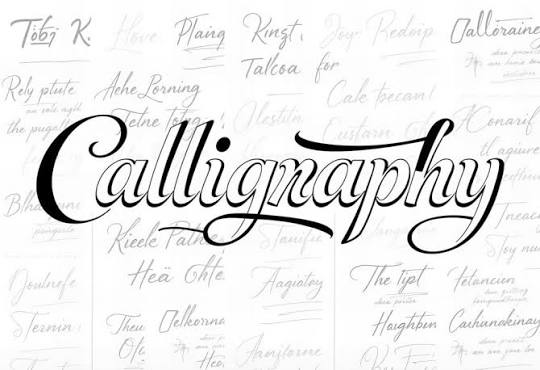
Typography plays an important role in the way people communicate online. Although plain text is useful for sharing information, decorative lettering can make a message feel more personal and visually appealing. Cursive writing is particularly popular because its flowing shapes resemble traditional handwriting and often create an elegant, creative appearance.
A Cursive Font Generator makes it easier to explore this style without requiring advanced design skills. Users can transform ordinary words into decorative text for social media profiles, digital invitations, creative projects, and personal messages. Depending on the tool, the result may be copyable stylized characters or a preview of text displayed in a particular font.
Understanding how cursive lettering works can help you choose suitable styles and use them effectively across different digital platforms.
What Is Cursive Writing?
Cursive writing is a style of lettering in which characters are commonly connected or designed to flow naturally from one letter to the next. Traditional cursive handwriting is often taught as a way to improve writing speed and develop a consistent handwritten style.
In digital design, cursive fonts recreate this flowing appearance using computer-rendered characters. Some fonts imitate formal handwriting, while others have casual strokes that resemble notes written with a pen.
Cursive typography can range from simple and readable to highly decorative. The right option depends on the intended purpose, the audience, and the amount of text being displayed.
How a Cursive Font Generator Works
An online cursive tool generally allows users to enter ordinary text and view it in a decorative style. Depending on the implementation, the tool may map characters to Unicode alternatives, display a selected typeface, or create an image of the text.
A cursive text generator can be a convenient starting point when you want to experiment with handwritten-looking lettering. Replace the example URL with your actual destination before publishing the article.
Most basic tools require only a few steps: enter the text, select a style, preview the result, and copy or export it if the available features support that action.
Not all generators work the same way. Some produce text that can be pasted into compatible applications, while others are intended primarily for visual design.
Why Cursive Fonts Remain Popular
Cursive lettering offers a visual alternative to standard digital typography. Its flowing shapes can make short messages feel warm, artistic, or sophisticated.
A Personal Touch
People often associate handwritten lettering with personal communication. A cursive display name or greeting can make a digital message feel more individual than ordinary typed text.
This style may be suitable for personal blogs, informal greetings, creative profiles, and messages intended for friends or family.
An Elegant Appearance
Cursive fonts are frequently used in wedding invitations, event announcements, greeting cards, and decorative headings. Their smooth strokes can create a refined appearance when paired with simple supporting typography.
For the best result, avoid combining too many elaborate fonts in one design. A single cursive heading can create enough visual interest without overwhelming the layout.
Creative Freedom
Different cursive styles communicate different moods. A delicate script may suit a romantic invitation, while a casual handwritten font may be more appropriate for a lifestyle blog or creative project.
Experimenting with multiple options makes it easier to find a style that matches the intended message.
Practical Uses for Cursive Text
Social Media Profiles
Users often personalize profile names, bios, and short captions to establish a distinctive online identity. Cursive lettering can help highlight a name or a brief phrase.
However, excessive stylized text may reduce readability and affect how profile information is interpreted by assistive technologies. Keep important details, such as contact information, in standard characters.
Digital Invitations
Cursive fonts work well for event titles, names, and short greetings. A wedding invitation, birthday announcement, or celebration graphic can benefit from a carefully selected script style.
Use a simpler font for dates, locations, and other essential details so recipients can understand the information quickly.
Creative Projects
Cursive lettering can enhance scrapbook pages, digital journals, posters, greeting cards, and personalized graphics. Designers can combine it with illustrations, borders, or subtle color effects.
Before printing, inspect the lettering at the final size to ensure that thin strokes and small connecting details remain visible.
Branding and Marketing
Businesses sometimes use script typography to communicate creativity, elegance, or a personal approach. It may work well for selected product labels, promotional graphics, and campaign headings.
Nevertheless, branding requires consistency. A decorative script should complement the company’s identity and remain legible across different formats.
Choosing the Right Cursive Style
Start by considering the purpose of the text. A short heading can accommodate more elaborate lettering than a paragraph or a lengthy announcement.
Next, evaluate readability. Very connected or heavily ornamented characters can be difficult to recognize, particularly on small mobile screens.
Think about the background and surrounding design elements as well. A cursive font with thin strokes may disappear against a busy image, while a darker outline or simpler background can improve contrast.
Finally, preview the text on the platform where it will appear. Different devices and applications may render the same characters differently.
Copyable Text Versus Font-Based Designs
An important distinction exists between a cursive typeface and a Unicode text generator.
A traditional font changes the appearance of characters in a document or graphic. Unicode-based generators, on the other hand, may replace standard letters with visually similar characters from other parts of the Unicode character set.
Unicode text can be convenient for short social media messages, but not every character is supported consistently. Search engines and screen readers may also interpret these characters differently from ordinary text.
For website articles, important headings, navigation labels, and body copy should generally remain standard text. Decorative cursive is better suited to short visual accents.
Tips for Better Results
Keep the message concise, choose a style that matches the occasion, and test the result before sharing it. Use cursive lettering for emphasis rather than converting every sentence into decorative characters.
If you are creating an image, check its resolution and contrast. If you are copying text into another platform, verify that the characters display correctly.
For commercial projects, review the font or tool’s usage terms before incorporating the output into products or advertising materials.
Conclusion
A Cursive Font Generator provides a convenient way to explore elegant lettering for social media, invitations, creative projects, and digital graphics. By making different styles easy to compare, these tools help users add personality to their text without requiring advanced typography skills.
The most effective use of cursive lettering balances visual appeal with readability. Choose an appropriate style, keep important information accessible, and preview the final result before publishing. With these simple practices, cursive typography can make digital communication more expressive and memorable.






Comment