Home Nation Is Making Factory-Built Homeownership Accessible Across the US: Here’s How
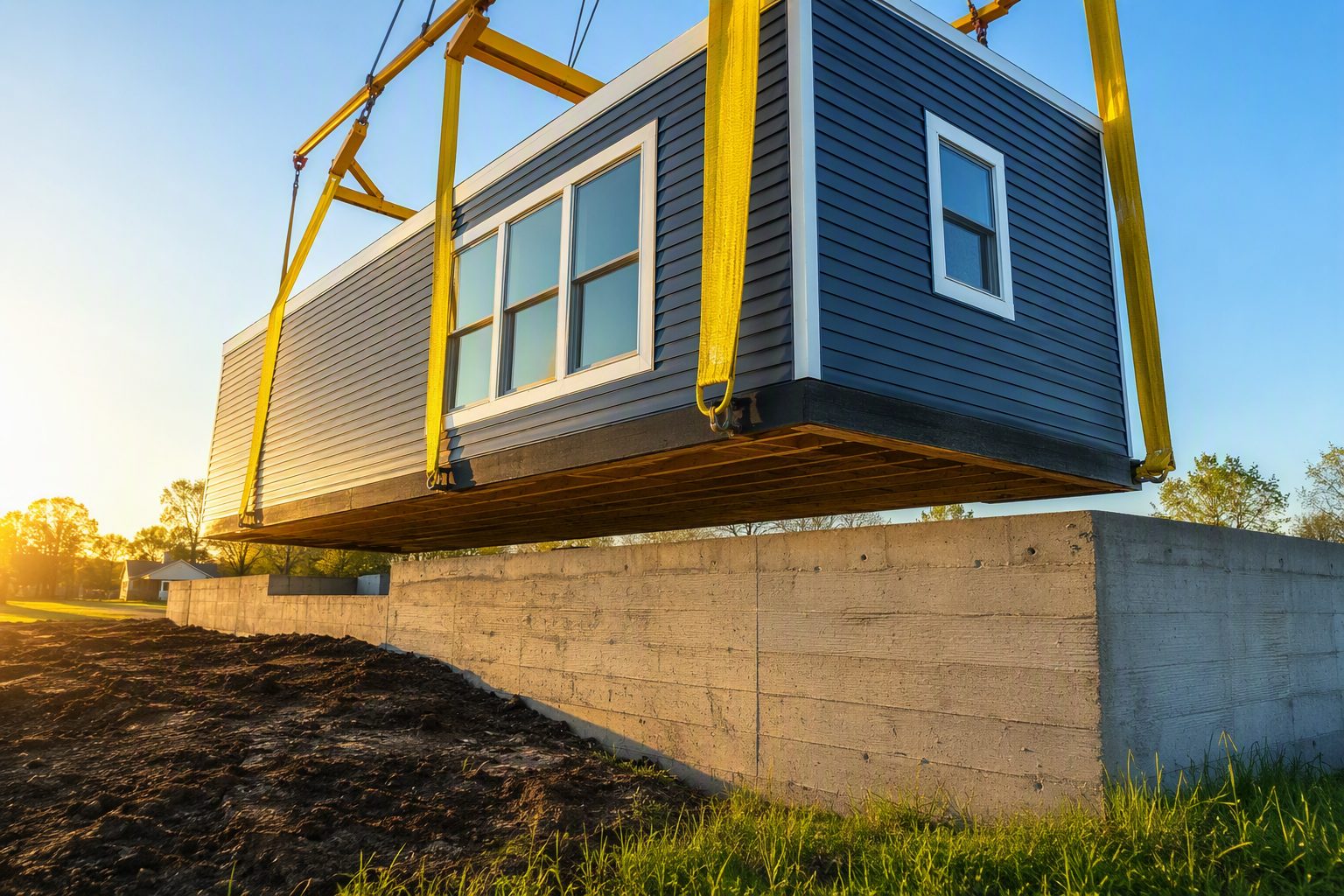
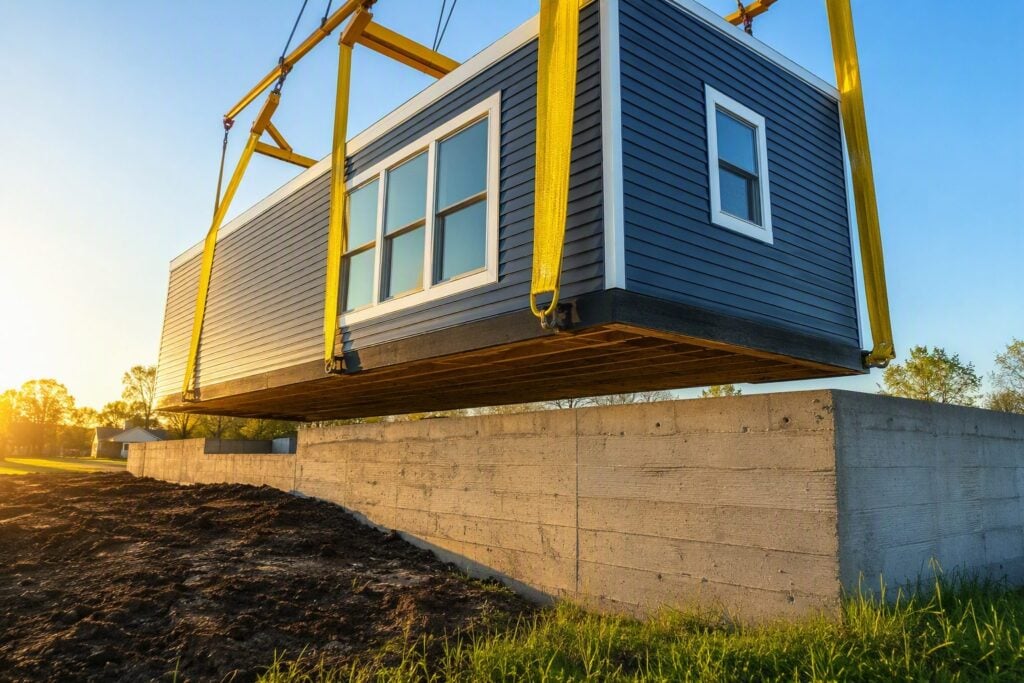
Image generated by Gemini
Home Nation sells manufactured and modular homes online, prices them by ZIP code, and coordinates delivery across the lower 48 states. Factory-built home affordability ultimately depends on the full installed cost, as the number on a listing is rarely the final figure required to move in.
Home Nation’s 2026 cost guide on why are modular homes cheaper than site-built homes puts modular construction at roughly $80 to $175 per square foot, against about $150 to $300 for site-built work. Those figures still leave out the land, foundation, permits, and utility connections. The family-owned dealer, founded in Indiana in 2008, quotes delivered prices based on a ZIP code and hands the site work to local contractors.
What Factory-Built Home Affordability Means
Factory-built housing includes products answering to different building codes and financing rules:
-
Manufactured Homes: Built to federal HUD standards on a permanent chassis. They offer a lower home-only price, though land tenure and financing shape the total cost.
-
Modular Homes: Built to state and local codes in factory modules, then assembled on a permanent foundation. They often cost less than site-built work and appraise similarly to conventional housing.
-
Site-Built Homes: Constructed entirely on-site under local codes, leaving labor exposed to weather and local scheduling delays.
The per-square-foot advantage of factory builds stems from indoor repetition, volume purchasing, and weather protection. However, transport, foundation requirements, and difficult site access can narrow this cost gap.
How the Home Nation Model Works
Home Nation acts as a dealer and purchasing coordinator rather than the builder. Established manufacturers produce the units, while Home Nation handles ordering and freight.
-
ZIP-Code Search: Buyers enter a ZIP code online to browse regional plans and delivered pricing.
-
Order Definition: Home Nation assists in establishing floor plans, budgets, and schedules.
-
Factory Construction: The selected manufacturer builds the home.
-
Delivery & Site Work: Home Nation coordinates transport, while independent local contractors handle the foundation, utility hookups, and setup under separate agreements with the buyer.
Home Nation limits showroom overhead by operating primarily online, passing lower overhead into base prices. Their catalog features over 170 customizable floor plans, including single-wides, double-wides, and modular models.
Itemizing the True Installed Cost
Home Nation uses a “60/40 rule” guideline: roughly 60% of a modular budget goes to the factory unit, and 40% covers post-delivery site expenses.
|
Cost Component |
In Displayed Home Nation Price? |
Key Considerations |
|
Factory Home |
Usually |
Floor plan, standard finishes, and base specifications. |
|
Delivery |
Included by ZIP code |
Confirm mileage caps, route permits, and crane fees. |
|
Land & Site Prep |
No |
Zoning, grading, soil clearing, and utility access distance. |
|
Foundation |
Usually Not |
Slab, crawl space, or basement to local code (~$10/sq. ft. estimate). |
|
Installation & Utilities |
Quoted Separately |
Local contractor fees, power, water, septic, and permit approvals. |
Manufactured, Modular, and Financing Structures
How a home is titled impacts long-term costs. A manufactured unit on a leased lot carries chattel (personal property) financing, while a modular unit set on owned land secures real estate mortgage rates. A rural parcel requiring a new well, septic tank, and complex crane access can quickly consume initial factory savings.
Comparing Modular and Site-Built Options
-
Build Time: Modular projects are often 30% to 50% faster than site-built homes.
-
Cost Comparison: Base factory quotes must be weighed against full installed estimates. A steeply sloped lot can make a modular set cost more than a simple site-built layout on flat ground.
-
The Mod Pod: Home Nation also offers a “Mod Pod”—a modular core housing major mechanical systems that is surrounded by conventional site framing, reducing reliance on scarce local trades.
Market Alternatives and Lending Factors
While major national builders like Clayton, Cavco, and Champion operate physical retail centers, Home Nation relies on an online-first approach. Regardless of the dealer, total property work remains the buyer’s responsibility.
Lenders evaluate total monthly debt, credit scores, down payments, and land ownership rather than income multiples alone. Whether evaluating a $60,000 salary or a $300,000 project, buyers must factor in site work, land, and utility fees. Furthermore, market experts like Dave Ramsey caution that factory-built homes on leased land may depreciate, stressing the value of real property ownership.
Achieving Realistic Homeownership
Home Nation offers clear, upfront pricing for buyers lacking access to local retail lots. However, true affordability is determined by the total installed cost. Buyers should secure a complete, written worksheet covering home cost, delivery, foundation, and local utility installation before committing.