
Heat Pump vs. Traditional AC in Southern California: A 2026 Buyer’s Guide

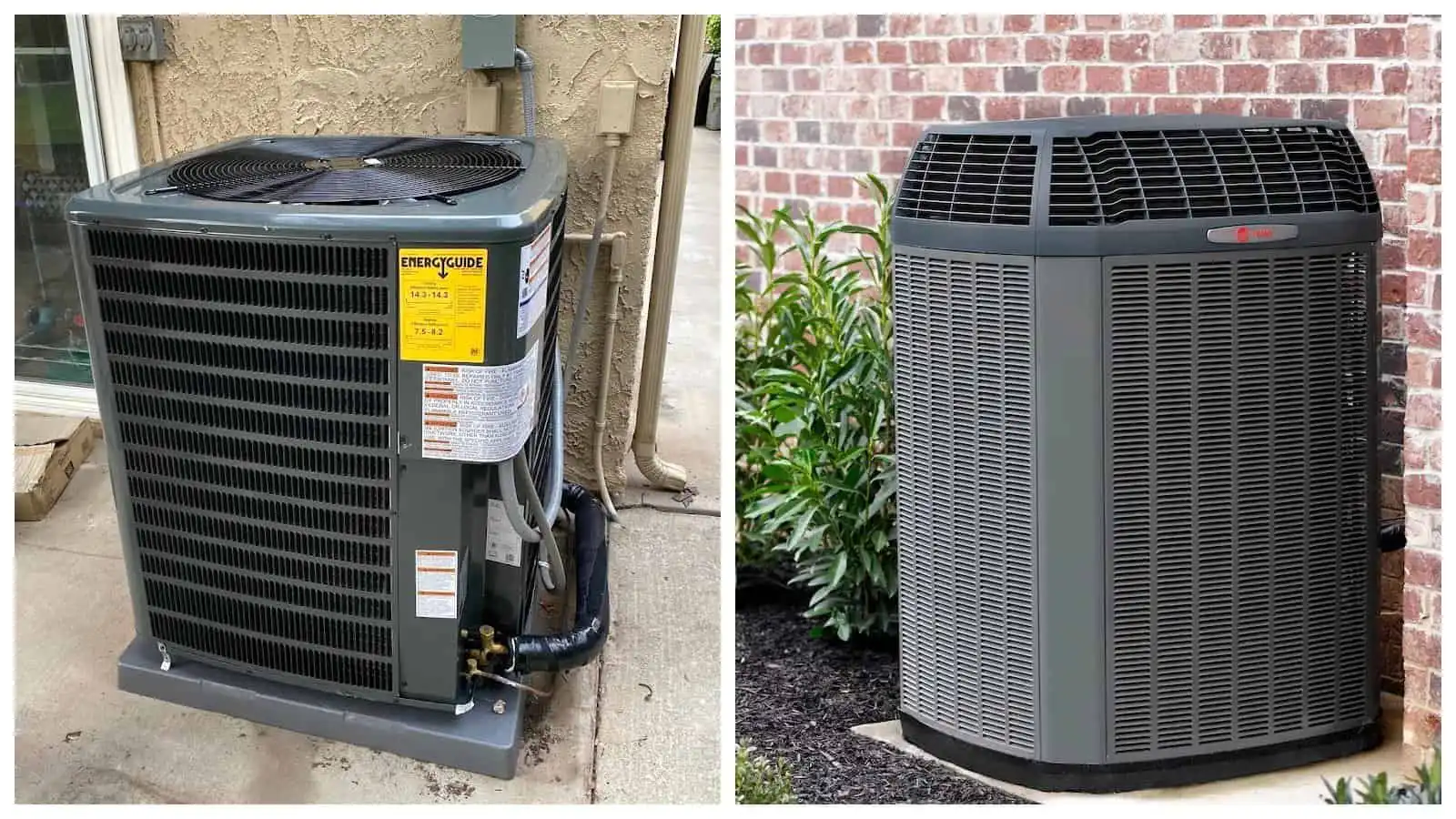
For most Southern California homes, a heat pump is now a strong and often better choice than a separate air conditioner and gas furnace. The reason is climate: SoCal winters are mild enough that a modern heat pump operates comfortably within its efficient range all year, and in cooling mode a heat pump performs identically to an AC with the same SEER2 rating. The main trade-offs are a modestly higher upfront cost and a rebate landscape that changed in 2026. Here is how to decide.
What is the difference between a heat pump and an AC?
An air conditioner only cools. It moves heat out of your home using a refrigerant cycle. A heat pump uses the same refrigerant cycle to cool, and it can also run in reverse to heat your home, which means one system replaces both your AC and your furnace. In cooling mode, a heat pump and an AC with the same efficiency rating feel and perform the same at the vent.
The efficiency ratings that matter
| Rating | Applies to | What it measures |
| SEER2 | AC and heat pump | Seasonal cooling efficiency (higher is better) |
| EER2 | AC and heat pump | Peak-load cooling efficiency on the hottest days |
| HSPF2 | Heat pump only | Seasonal heating efficiency |
| COP | Heat pump only | Instant heating efficiency, varies with outdoor temperature |
ENERGY STAR central systems commonly start around SEER2 15.2, with high-efficiency models reaching the low-to-mid 20s. For cooling, the number on the label matters far more than whether the system is called an AC or a heat pump.
Why Southern California’s climate favors heat pumps
The old knock on heat pumps was cold-weather performance. That concern does not apply here. In SoCal’s coastal and valley zones, the design heating temperature, meaning the coldest it gets about 99 percent of the time, is typically 35 to 45 degrees Fahrenheit. Modern variable-speed heat pumps operate efficiently well below that, down to around 5 degrees, so the cold is simply never a factor for comfort or efficiency in Los Angeles, Orange County, or most of the region. High-desert areas like Palmdale and Lancaster get colder but still sit within the range of current cold-climate models.
Cost comparison: heat pump vs. AC and furnace
A heat pump costs somewhat more upfront than a cooling-only AC, but the fair comparison is a heat pump versus an AC plus a gas furnace, because one heat pump replaces both.
| System | Typical installed cost | Notes |
| Heat pump install (LA) | $5,245 to $10,490 | Varies by size, efficiency, and ductwork |
| Central heat pump (replaces AC + furnace) | $6,500 to $12,500 | One system for heating and cooling |
| Heat pump vs. AC + gas furnace | About 15 to 30% more upfront | Before any rebates or incentives |
Heat pumps and air conditioners have similar lifespans, generally 12 to 16 years, so the comparison comes down to upfront cost, operating cost, and incentives rather than durability.
Operating cost in SoCal
In cooling mode, a heat pump and an AC of the same SEER2 cost essentially the same to run. The difference shows up in heating. Under many Southern California rate structures, a modern heat pump operating at a winter COP of roughly 3.0 to 3.5 delivers heat at a lower cost per unit than a gas furnace, while also giving you more even, consistent comfort. If you are already planning to replace cooling equipment and your furnace is aging too, consolidating into one heat pump system from a contractor like Roku Air Conditioning and Heating is often the more economical long-term move.
Heat pump rebates in 2026: read this before you count on savings
This is where a lot of older guides are now out of date. The incentive picture shifted at the end of 2025, so verify current program status before you budget around any rebate.
- Federal 25C tax credit: the 30 percent credit (up to $2,000) that many articles still cite expired for systems placed in service after December 31, 2025. As of 2026, there is no federal 25C credit for a new heat pump install.
- TECH Clean California: the statewide single-family heat pump incentive was fully reserved across Southern California by early 2026, so new single-family reservations are generally closed.
- Local utility programs: programs through LADWP and Southern California Edison may still offer rebates or bill credits for qualifying heat pumps, and these change over time.
The practical takeaway: do not assume the headline rebate numbers from a 2024 or 2025 article still apply. Ask your installer to confirm which incentives are actually available for your address and equipment at the time you buy, and get it in writing.
Heat pump types: ducted vs. ductless mini-split
Two main configurations suit SoCal homes, and the right one depends on whether you already have ductwork.
- Ducted (central) heat pump: uses your existing ducts and a single air handler, so it is the natural swap for a home that already has central AC. It is the simplest like-for-like upgrade and keeps a familiar single-thermostat setup.
- Ductless mini-split heat pump: uses wall or ceiling units with no ductwork, offers room-by-room zoning, and often reaches very high efficiency (SEER2 in the low-to-mid 20s). It is ideal for additions, homes without ducts, or rooms that never cool evenly.
Many homeowners end up with a ducted system for the main house and a mini-split for a converted garage, office, or bonus room.
What a proper heat pump installation involves
Installation quality determines whether you are satisfied for the next 15 years, so it is worth knowing what a good job looks like:
- Load calculation (Manual J). The contractor sizes the system to your home’s actual heating and cooling load, not a rule of thumb.
- Duct inspection. For a ducted system, existing ducts are checked and sealed so you do not lose efficiency through leaks.
- Electrical check. Heat pumps run on electricity, so the installer confirms the panel and circuits can support the new load.
- Permit and inspection. California generally requires a permit for heat pump installation, and a post-install duct test may apply.
- The system is charged to spec, airflow is balanced, and both heating and cooling modes are tested before signoff.
When a heat pump makes sense, and when to stick with AC
Choose a heat pump if: your furnace is also aging, you want one efficient system for heating and cooling, or you are moving away from gas. Stick with a straight AC if: your furnace is newer and working well, or budget is the single overriding constraint and you only need cooling. Either way, correct sizing is what determines whether you are happy with the result, so insist on a load calculation. A correctly sized heat pump installation is the difference between even, quiet comfort and a system that short-cycles or struggles on the hottest days.
Frequently asked questions
Will a heat pump cool as well as a regular AC in LA?
Yes. In cooling mode a heat pump uses the same refrigeration cycle as an AC, so a heat pump and an AC with the same SEER2 rating cool identically. There is no comfort penalty in summer.
Is a heat pump worth it in Southern California?
For many homes, yes. The mild climate keeps a heat pump in its efficient range year-round, and replacing both an AC and a gas furnace with one system can lower heating costs. The strongest case is when your furnace is also due for replacement.
How much more does a heat pump cost than an AC?
A ducted heat pump typically costs about 15 to 30 percent more upfront than a comparable AC and gas furnace pairing, before any incentives. Installed heat pump costs in LA generally run from about $5,245 to $10,490 depending on size and ductwork.
Are there still heat pump rebates in California in 2026?
The federal 25C tax credit expired after December 31, 2025, and statewide TECH Clean California single-family funds were largely reserved by early 2026. Local utility programs such as LADWP may still offer incentives, so confirm current eligibility with your installer before budgeting.







Comment