
Healthy Cooking in Restaurants: The Business Problem Behind It

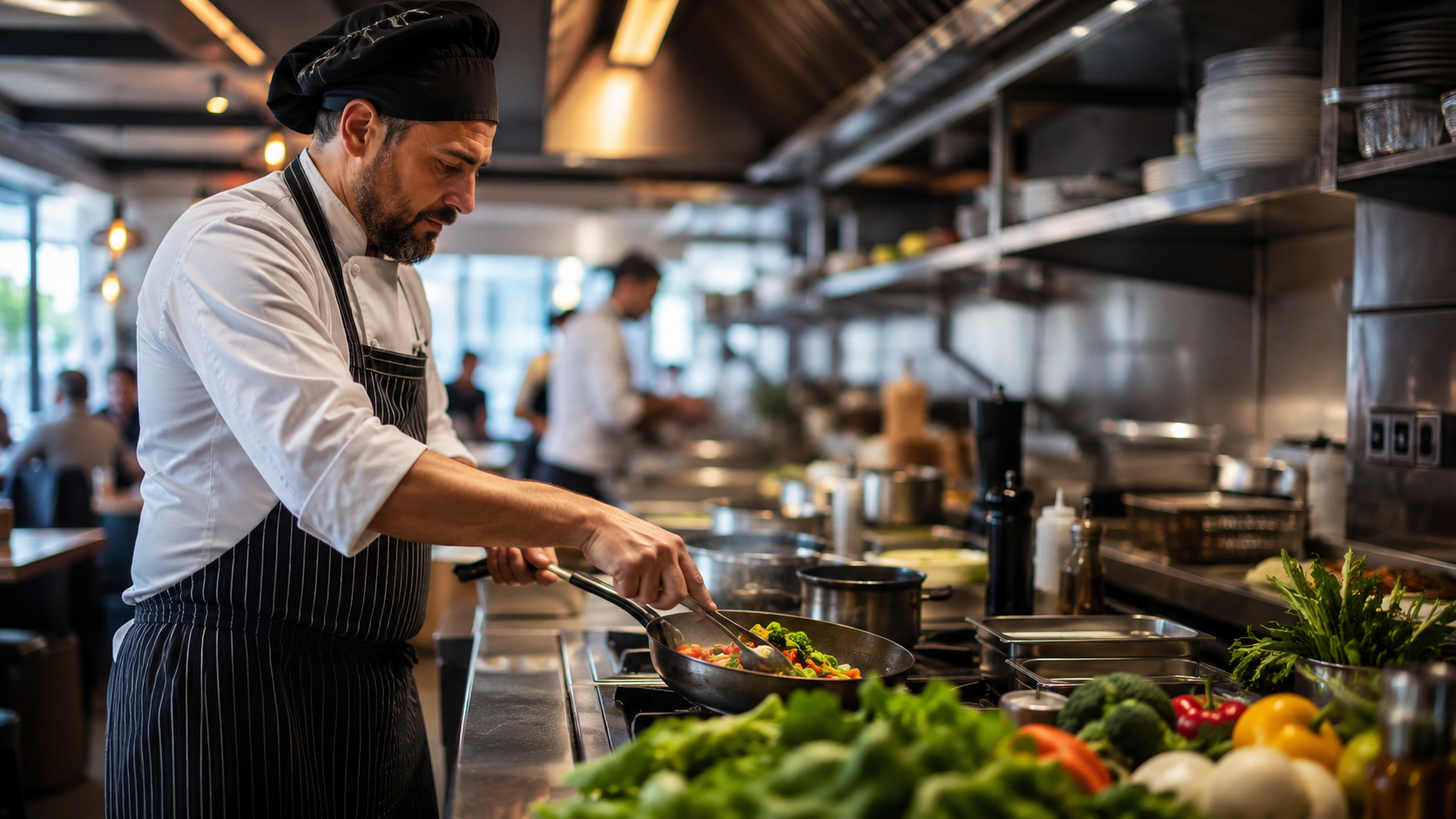
Modern restaurants can cook healthier food without turning their menus into diet plans. They can grill instead of deep-fry, reduce salt without making food bland, serve better portions, use more vegetables, and offer sauces that do not depend on butter, cream, sugar, or mayonnaise. Many restaurants already know how to do this. The harder question is why so many still avoid it.
Restaurant food is built around pleasure, speed, value, and repeat sales. A home cook can decide to use less oil or skip dessert. A restaurant owner has to think about rent, labor, waste, customer reviews, delivery ratings, prep time, and food costs. Health matters, but it competes with stronger commercial pressures.
Customers also send mixed signals. Many say they want lighter meals, cleaner ingredients, and more vegetables. Then they order fries, burgers, creamy pasta, fried chicken, pizza, desserts, and large drinks when they go out. Restaurants watch what people buy, not only what they say in surveys. That gap explains much of the problem.
Healthy restaurant cooking is possible, but it has to work as a business. It must taste good, photograph well, travel well, feel filling, and make money. A bowl of plain steamed vegetables will not save a restaurant. A well-built plate with roasted vegetables, grilled protein, herbs, crunch, acid, and a small rich element has a much better chance.
1. The Problem Is Not Only Junk Food
Restaurant meals often become unhealthy through small choices that add up. A chef may salt the protein, salt the sauce, salt the vegetables, and finish the plate with more salt. A sandwich may include refined bread, cheese, bacon, mayonnaise, sweet sauce, and a side of fries. A salad may look healthy but carry fried toppings, creamy dressing, cheese, candied nuts, and a large portion of grains.
The issue is not always one bad ingredient. It is the full construction of the meal. Butter adds flavor. Sugar balances acidity. Salt wakes up the palate. Frying creates crunch. Cream gives the sauce a body. Large portions make customers feel they received value. These choices are common because they work.
A chicken bowl can be a balanced meal or a calorie-heavy one. Brown rice, grilled chicken, beans, salsa, vegetables, and a small amount of avocado can make sense. The same bowl with extra rice, cheese, sour cream, creamy dressing, chips, and a sweet drink becomes a different meal. The restaurant format may support healthy eating, but the final order depends on defaults and choices.
Fast-casual chains show this clearly. Chipotle gives customers control over base, protein, beans, salsa, toppings, and extras. A customer can build a lighter bowl with lettuce, beans, fajita vegetables, grilled chicken, and salsa. Another customer can build a much heavier burrito with white rice, cheese, sour cream, guacamole, and chips on the side. The same kitchen supports both outcomes.
Sweetgreen shows another version of the same point. The brand is built around salads, bowls, greens, grains, and proteins. Still, some menu items can be large and energy-dense, especially when they include rich dressings, cheese, crispy toppings, or bigger protein portions. A salad restaurant is not automatically a low-calorie restaurant.
Cava also gives useful examples. Its Mediterranean-style format includes greens, grains, lentils, grilled proteins, hummus, vegetables, pickled items, and sauces. That structure can support a balanced meal. It can also become high in sodium or calories if the order includes multiple spreads, salty toppings, pita, dressing, and large portions.
Modern restaurants do not need to remove flavor to cook healthier food. They need to understand where the excess enters the plate. The biggest changes often happen in cooking methods, sauces, portions, and menu defaults.
2. How Restaurants Can Cook Healthier Food
Restaurants can start with cooking methods. Grilling, roasting, steaming, baking, poaching, and braising can replace deep frying in many dishes. Fried food sells because it is crisp, rich, and familiar, but roasting can also create strong flavor. Roasted carrots, cauliflower, mushrooms, onions, sweet potatoes, peppers, and Brussels sprouts can taste deep and satisfying without being soaked in oil.
Restaurants can also reduce the use of heavy sauces. Many dishes become less healthy because the sauce carries most of the fat, sugar, or salt. A grilled fish plate may be reasonable until it is covered with butter sauce. A chicken sandwich may start well and then become heavy through mayonnaise, cheese, bacon, and sweet glaze.
Better sauces can still taste bold. Restaurants can use chimichurri, salsa verde, lemon-tahini, yogurt with herbs, tomato-based sauces, miso-lime dressing, vinegar-based slaws, harissa, mustard vinaigrette, or broth reductions. Acid helps reduce the need for excess salt. Herbs add freshness. Fermented ingredients add depth. Toasted spices add warmth.
Restaurants can improve nutrition by changing the plate structure. Instead of starting with meat and starch, they can build around vegetables, legumes, whole grains, and protein. A healthier plate might include half vegetables, one quarter protein, and one quarter grains or starch. This does not need to look clinical. It can appear as a grain bowl, taco plate, mezze spread, noodle bowl, rice plate, or seasonal entrée.
Portion control matters as much as ingredients. Many restaurants serve more food than most people need because large portions are easy to market. A giant plate feels generous. A smaller plate can feel expensive if it is not presented well. Restaurants can solve this by offering half portions, lunch portions, shared sides, and optional add-ons.
Side dishes are another practical area. Fries do not need to disappear, but they should not be the only default. A restaurant can offer roasted potatoes, grilled vegetables, bean salad, lentils, dressed greens, fruit, slaw, soup, or a small grain salad. The key is to make the better side taste like a real dish, not punishment.
Breakfast menus also need attention. Many breakfast dishes rely on refined flour, sugar, processed meat, and large portions. Pancakes, waffles, pastries, bacon, sausage, and sweet coffee drinks dominate many menus. Restaurants can add eggs with vegetables, Greek yogurt bowls without excess syrup, oatmeal with nuts and fruit, avocado toast with whole-grain bread, and smaller breakfast plates.
Kids’ menus may need the biggest change. Many restaurants give children the least healthy options in the building: nuggets, fries, buttered pasta, grilled cheese, burgers, pizza, and sugary drinks. A better kids’ menu can still be familiar. It can include grilled chicken skewers, turkey meatballs, pasta with tomato sauce and vegetables, mini rice bowls, fruit, yogurt, small tacos, or baked fish bites.
Restaurants should also make nutrition easier to see. Customers do not need a lecture at the table, but clear descriptions help. “Grilled chicken, roasted vegetables, lentils, herbs, lemon yogurt” is more useful than “healthy bowl.” A specific language sells the food. It also prevents healthy items from sounding vague or joyless.
True Food Kitchen provides a strong real example. Its menu uses seasonal ingredients, bowls, salads, pizzas, proteins, and vegetable-forward dishes while still operating as a full-service restaurant. The brand does not present healthy food as plain medical food. It connects nutrition with flavor, color, and normal dining habits.
Healthy cooking works best when it improves the meal rather than apologizing for itself. A restaurant should not say, “This is low-fat, so please forgive it.” It should serve food that people want to order again.
3. Healthy Food Must Still Feel Like Restaurant Food
Restaurant customers pay for more than nutrients. They pay for taste, texture, smell, service, room design, and the feeling of eating something better than what they would make at home. Healthier food must respect that.
Texture is one of the biggest differences between weak healthy food and strong healthy food. Plain steamed vegetables can feel soft and flat. Roasted vegetables have browned edges. Toasted seeds add crunch. Pickled onions add snap. Fresh herbs add lift. A warm grain base makes the dish feel complete. A small amount of cheese, avocado, nuts, or sauce can make the meal feel generous without overwhelming it.
A plain grilled chicken breast with broccoli may be healthy, but it rarely feels like a restaurant meal. A better version could include grilled chicken with roasted carrots, lentils, herbs, lemon, tahini yogurt, pickled red onions, and a small portion of rice. The nutrition profile can still be strong, but the plate has contrast.
Restaurants can also use global cooking traditions to make healthier food more natural. Mediterranean, Japanese, Vietnamese, Korean, Mexican, Middle Eastern, and Indian cuisines all include dishes that can be vegetable-forward, legume-based, grilled, brothy, or fermented. The goal is not to copy these cuisines carelessly. The goal is to learn from cooking styles that already use acid, herbs, spice, broth, grains, and vegetables in flavorful ways.
Mediterranean-style restaurants show how this can work. Cava’s format allows customers to build bowls with greens, grains, lentils, grilled proteins, vegetables, hummus, and sauces. A customer can build a meal that feels filling because it includes protein, fiber, fat, and acid. The food does not need to depend on frying.
Mexican-inspired formats also offer useful lessons. Chipotle’s strongest healthy feature is not a single “healthy menu item.” It is a choice. Customers can skip the tortilla, reduce rice, add beans, choose salsa, add vegetables, and control cheese or sour cream. The same model can work in many restaurant types.
Pizza restaurants can also cook healthier without abandoning pizza. They can offer thinner crusts, smaller sizes, vegetable toppings, better salads, grilled protein starters, and lighter cheese options. They can use tomato sauces with less sugar and add roasted vegetables that taste good enough to compete with pepperoni. They do not need to remove classic pizza. They need to give customers better paths through the menu.
Burger restaurants can make similar changes. A burger place can offer smaller patties, grilled chicken, bean burgers, lettuce-heavy plates, better salads, baked potatoes, and sauces on the side. It can use quality meat and still avoid turning every burger into a tower of bacon, cheese, fried onions, and mayonnaise.
A restaurant’s physical setting also affects how customers read the food. A clean, comfortable room with good lighting, clear menus, and durable restaurant furniture can make a lighter meal feel complete rather than cheap. When the dining room feels cared for, customers are less likely to judge value only by plate size.
The best healthy restaurant food does not shout that it is healthy. It tastes balanced. It satisfies hunger. It leaves people comfortable after the meal. That is a stronger selling point than guilt.
4. Why Restaurants Prefer Not to Cook Healthier
Many restaurants avoid healthier cooking because it is harder to operate. Fresh vegetables need prep. Herbs wilt. Avocados brown. Fish spoils quickly. Whole grains take planning. Legumes require seasoning. Good salads need washing, drying, cutting, storing, and assembling. Frozen fries are easier.
Labor is one of the biggest barriers. A cook can drop fries into oil with little skill. Preparing vegetables well takes more time and more training. Roasting cauliflower correctly is not difficult, but it requires cutting, seasoning, oven space, timing, and holding methods. A busy kitchen may choose the simpler option.
Food waste is another barrier. Highly processed ingredients often last longer. Sauces, frozen items, packaged breads, processed meats, and fried products can be easier to manage. Fresh produce creates risk. If customers do not order the healthier dishes, the restaurant throws away money.
Consistency also matters. Chain restaurants need dishes to taste the same across locations. Fried chicken, fries, burgers, and packaged sauces are easier to standardize than seasonal vegetable plates. A tomato in August may taste different from a tomato in January. A roasted vegetable dish may depend on the cook’s attention. That makes operators nervous.
Customer expectations create pressure. Many people treat restaurant meals as a break from discipline. They eat salads at home and order indulgent food outside. A restaurant that becomes too health-focused may fear losing groups, families, late-night diners, and delivery customers.
Online delivery has made this harder. Fried food, burgers, pizza, noodles, and rich bowls often travel better than delicate salads or grilled fish. A restaurant may want to offer lighter dishes, but delivery apps reward food that survives a 30-minute ride. Sauces spill. Greens wilt. Steam ruins crisp vegetables. A heavy burrito or pizza is easier to deliver.
Price perception is another problem. Customers may pay $18 for a burger with fries but question $18 for a vegetable bowl. Meat and fried food still carry a strong value signal in many markets. Vegetables are expensive to prepare, but customers often think they should be cheap.
Menu psychology also works against health. Words like “crispy,” “loaded,” “creamy,” “double,” “smoked,” “melted,” and “fried” sell. Words like “light,” “low-calorie,” “lean,” and “steamed” can sound less satisfying. Restaurants know this. They write menus to trigger appetite.
Profit margins push the same direction. Fries, soda, desserts, creamy sauces, and refined carbs can produce strong margins. A restaurant that sells roasted salmon, fresh herbs, seasonal vegetables, and high-quality grains may spend more on ingredients and labor. Unless customers pay enough, the healthier dish can hurt the business.
This is why many restaurants add one or two healthy dishes but keep the main menu unchanged. They want to satisfy health-conscious customers without risking the items that pay the bills.
5. The Business Fear Behind Healthy Menus
Restaurant owners often fear that healthier menus will narrow their audience. A steakhouse, burger bar, pizza shop, diner, or sports bar may worry that lighter food will confuse regular customers. If people visit for comfort food, a sudden health-focused menu can look like a loss of identity.
Healthy food also creates marketing risk. A restaurant that calls itself healthy invites judgment. Customers may inspect calories, ingredients, sourcing, oils, sodium, and portion sizes. A normal restaurant can serve a salad and move on. A health-focused restaurant must defend every choice.
Sweetgreen shows both the opportunity and the challenge. It built a strong brand around salads and bowls, but it still has to create food that feels filling, satisfying, and worth the price. That means proteins, dressings, grains, warm bowls, and seasonal items. A bowl can be health-forward and still substantial.
Panera offers another useful example. The brand often sits between bakery, café, lunch spot, and fast-casual restaurant. It offers soups, salads, sandwiches, bowls, bread, bakery items, and sweet drinks. That mix reflects a common business reality: healthy options bring in some customers, while comfort items bring in others. Removing indulgent items would change the economics.
Restaurants also depend on repeat behavior. Salt, sugar, and fat are reliable tools for making food craveable. A slightly salty sauce or sweet glaze can make customers remember a dish. A healthier version may be better for the body but less immediately addictive. Operators know the difference.
Staff training creates another barrier. A simple comfort-food menu is easier to teach. A healthier menu may require more knowledge about allergens, cooking times, ingredient handling, substitutions, and customer questions. Servers need to explain dishes without making them sound boring. Kitchen staff need to follow prep standards more carefully.
Healthy menus can also slow service. A quick-service restaurant depends on speed. If healthier dishes require more assembly, more fresh toppings, or more customization, the line slows down. Speed matters during lunch rush. A dish that works at 2 p.m. may fail at 12:30 p.m.
The strongest operators solve these problems before changing the menu. They design healthy dishes that use existing prep, hold well, move quickly, and fit the brand. They do not add random quinoa salads to a menu that otherwise sells wings and burgers. They create better versions of food their customers already understand.
6. Practical Changes That Restaurants Can Make Without Losing Sales
Restaurants do not need to rebuild everything at once. Small changes can improve health without scaring customers or damaging margins.
They can start by changing defaults. A sandwich can come with salad by default and fries as an option. A bowl can start with half greens and half grains instead of all rice. A kids’ meal can include fruit or vegetables before fries. Sauces can come on the side unless the customer asks otherwise.
They can reduce portion sizes quietly. Oversized plates often create waste and discomfort. A restaurant can offer a normal portion and a larger upgrade instead of making the largest size standard. Customers who want more can still order more.
They can use menu language that sells flavor first. “Roasted chicken with lemon potatoes, herbs, and garlic yogurt” sounds better than “healthy grilled chicken.” “Charred broccoli with chili, lime, and toasted almonds” sounds better than “steamed vegetables.” Good naming matters.
They can improve the ingredients inside best-selling dishes. A taco can carry grilled fish, cabbage, salsa, avocado, and beans. A pasta can include vegetables, tomato sauce, herbs, and a smaller amount of cheese. A burger can use a smaller patty, better bun, fresh toppings, and a side salad. A pizza can carry mushrooms, peppers, onions, spinach, and grilled chicken.
They can offer better drinks. Sugary drinks add calories without making people full. Restaurants can sell sparkling water, unsweetened iced tea, fruit-infused water, low-sugar lemonades, and smaller drink sizes. This change can improve meals without touching the main dish.
They can redesign appetizers. Many starters are fried, cheesy, salty, or bread-heavy. Better starters could include grilled shrimp, vegetable dips, lentil soup, tomato salad, roasted peppers, chicken skewers, or small mezze plates. These dishes still feel shareable.
They can treat vegetables as real menu items. Too many restaurants treat vegetables as decoration. A serious vegetable side needs seasoning, texture, and contrast. Roasted carrots with yogurt and herbs, charred cabbage with tahini, grilled zucchini with lemon, or mushrooms with garlic and parsley can sell when cooked well.
They can use transparency without turning the menu into a spreadsheet. Calorie counts, allergen notes, ingredient lists, and clear cooking descriptions help customers make choices. Chipotle’s nutrition calculator is a good example of how customization and nutrition information can work together. Customers can see how each topping changes the meal.
They can keep indulgent items but stop making every item indulgent. A menu can include fries, burgers, pizza, and dessert while also offering balanced dishes that taste complete. The goal is not to shame customers. The goal is to give them real choice.
7. The Future of Healthier Restaurant Food
Healthier restaurant food will grow when it feels normal. Most customers do not want a lecture when they go out to eat. They want food that tastes good, arrives on time, fits the price, and does not make them feel heavy afterward.
The future is not only vegan cafés, salad chains, or wellness brands. There are also pizza shops with better salads, diners with smarter breakfast plates, burger restaurants with better sides, hotel restaurants with lighter entrées, and fast-casual brands with clearer defaults.
Modern restaurants already have the tools. They know how to roast, grill, season, portion, label, and present food. They can use better oils, less sugar, less salt, more vegetables, leaner proteins, whole grains, legumes, and smarter sauces. The question is whether the business model supports the change.
Restaurants prefer not to cook healthier when the healthier version costs more, takes longer, wastes faster, sells slower, or feels less exciting to customers. They choose comfort food because it is proven. They choose fried food because it is easy to crave. They choose large portions because customers read size as value.
Still, the market is changing. Many customers want meals that fit daily life, not only special occasions. Office workers want lunches that do not ruin the afternoon. Parents want better food for children. Older customers may care more about sodium, sugar, and digestion. Younger customers often expect menu transparency and customization.
The restaurants that succeed will not divide food into healthy and enjoyable food. They will make better food enjoyable. They will use flavor to support health instead of using health as an excuse for dull cooking.
A healthy restaurant dish should not feel like a compromise. It should feel well built. It should have protein, fiber, color, texture, acid, warmth, and enough richness to satisfy. It should make the customer want to come back.
Modern restaurants can cook healthier food. Many already do in parts of their menus. The next step is making those choices easier, better priced, and more appealing than the default fried or oversized meal. The restaurants that solve that problem will serve food people can enjoy often, not only food they save for a cheat day.







Comment