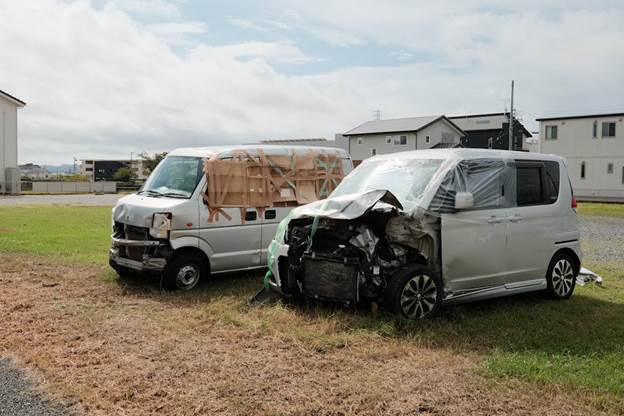
A head-on crash can leave little time to react. One vehicle crosses the centerline, enters the wrong lane, or travels the wrong way. Within seconds, both drivers may face severe injuries, vehicle damage, and urgent medical decisions.
You may be able to file a claim after a head-on accident in Boynton Beach if another driver’s negligence caused the crash. These claims often require a careful investigation because the injuries can be serious and the financial losses may be significant.
A head on car accident lawyer can review the crash evidence, insurance coverage, medical records, and damages to determine how the claim should be valued.
Why Head-On Accidents Require Careful Review
Head-on collisions are often more severe than other types of crashes because the vehicles may be moving toward each other. The force of impact can be significant, even when neither vehicle is traveling at highway speed.
These crashes may lead to:
● Emergency medical treatment
● Severe vehicle damage
● Long recovery periods
● Missed work
● Ongoing pain or disability
● Disputes over how the crash happened
Because the consequences can be serious, insurance companies may review these claims closely. They may question the injuries, the cost of care, or the actions of each driver before impact.
Common Causes of Head-On Collisions
Head-on crashes can happen for several reasons. The cause matters because it helps identify who may be responsible.
Common causes include:
● Distracted driving
● Impaired driving
● Wrong-way driving
● Unsafe passing
● Fatigue
● Speeding
● Poor weather conditions
● Loss of vehicle control
● Failure to stay in the proper lane
A driver who crosses into oncoming traffic may be at fault, but the investigation should still look at all available facts. Road design, visibility, traffic signals, and vehicle condition may also matter in some cases.
How Investigators Determine Fault
After a head-on crash, fault is usually investigated through physical evidence and witness accounts. The goal is to identify where each vehicle was before impact and why one vehicle entered the wrong path.
Important evidence may include:
● Police reports
● Vehicle resting positions
● Skid marks
● Debris fields
● Roadway damage
● Dashcam or traffic footage
● Witness statements
● Photos of the scene
● Vehicle damage patterns
Impact points can help show which vehicle crossed the centerline or failed to stay in its lane. Skid marks may show braking or attempted evasive action. Witnesses may describe erratic driving, speeding, or a sudden lane departure.
Medical Records Help Show the Full Impact
Head-on crashes can cause serious injuries. Medical documentation is important because it links the collision to the harm you suffered.
Common injuries may include:
● Broken bones
● Head injuries
● Neck and back injuries
● Chest injuries
● Internal injuries
● Knee or leg injuries
● Shoulder and wrist injuries
Prompt medical care matters. If you delay treatment, an insurer may argue that your injuries were minor or unrelated to the crash. Follow-up care, specialist visits, imaging results, and therapy records can help show how the injury affected your recovery.
How a Head-On Accident Claim Is Valued
The value of a head-on accident claim depends on damages, liability, insurance coverage, and evidence. Serious injuries may increase value, but the claim still needs documentation.
Compensation may include:
● Medical bills
● Future treatment costs
● Lost income
● Reduced earning ability
● Pain and suffering
● Vehicle repair or replacement
● Out-of-pocket expenses
A case may be valued higher when fault is clear and injuries are well documented. It may be more difficult when the insurer disputes lane position, speed, or injury severity.
Case value should not be based only on the first medical bill. Future care, work limits, and long-term pain may also affect the claim.
Insurance Coverage Can Affect Recovery
Insurance coverage is another important part of the claim. A serious head-on crash may involve losses that exceed one policy.
Possible coverage sources may include:
● The at-fault driver’s bodily injury coverage
● Your own uninsured or underinsured motorist coverage
● Health insurance
● Collision coverage for vehicle damage
Policy limits can affect how much compensation is practically available. If the at-fault driver has limited insurance, other coverage may need to be reviewed.
Insurance companies may still dispute the claim, even after a serious crash. They may argue about fault, injury severity, treatment costs, or whether future care is necessary.
What If the Other Driver Blames You?
Fault disputes can happen after head-on crashes. The other driver may claim you crossed the centerline, were speeding, or failed to avoid the collision.
Florida follows a modified comparative negligence rule. In negligence cases covered by the statute, a party found greater than 50 percent at fault for their own harm may not recover damages. If the injured person is assigned fault below that level, compensation may be reduced by that percentage.
This makes evidence especially important. Photos, video, crash reports, and witness statements can help respond to blame-shifting.
Evidence That Can Strengthen Your Claim
A head-on car accident attorney may look for evidence that explains both fault and damages.
Helpful evidence may include:
● Photos of both vehicles
● Photos of lane markings and road conditions
● Dashcam or traffic camera footage
● Witness contact information
● Police reports
● Medical records
● Repair estimates
● Cell phone records if distraction is suspected
Do not rely only on memory. The sooner evidence is preserved, the easier it may be to build a clear timeline.
Florida Deadlines Still Apply
Florida law gives two years for an action founded on negligence. This deadline applies to many car accident injury claims, but evidence can disappear much sooner.
Vehicles may be repaired. Video may be deleted. Witnesses may become harder to reach. Acting early helps protect important information before it is lost.
What You Should Do After a Head-On Accident
After a head-on accident, your first priority should be safety and medical care.
You should:
● Call 911
● Seek medical attention
● Report the crash
● Take photos if it is safe
● Get witness contact information
● Keep medical and repair records
● Avoid detailed insurance statements before understanding your options
Head-on accidents can involve serious injuries and complex insurance issues. Careful documentation can help protect your claim from the start.
Conclusion
You may be able to file a claim after a head-on accident in Boynton Beach if another driver caused the crash. These cases are often investigated through vehicle damage, roadway evidence, witness statements, medical records, and insurance coverage.
The value of the claim depends on the severity of the injuries, clarity of fault, available coverage, and long-term impact. FK Legal can review your situation and explain how a head-on collision claim may be evaluated.