Introduction: The Untold Challenges of Hair Transplants
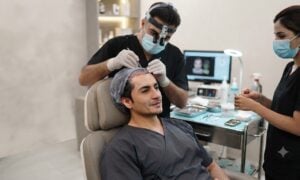
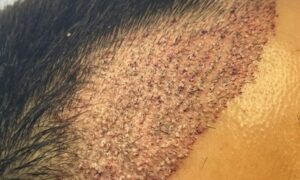
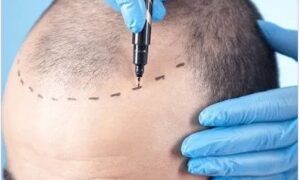
Hair restoration clinics often present surgical hair transplants as a permanent solution to hair loss. While procedures like FUE (Follicular Unit Extraction) and FUT (Follicular Unit Transplantation) can yield impressive initial results, there is a hidden reality that patients rarely hear about: transplants do not always prevent future hair loss, and the costs of maintaining a full head of hair can be significant.
Many men undergo these procedures expecting a one-time solution, only to find that thinning continues in untreated areas. The result is a patchy appearance that requires additional surgeries or ongoing treatments. These unforeseen challenges can be discouraging and costly, making hair transplants a less predictable solution than many assume.
Secondary Hair Loss: A Common Yet Overlooked Issue
One of the most significant risks after hair transplantation is secondary hair loss. Transplanted follicles may survive and thrive, but surrounding natural hair can continue to thin due to genetics, age, or stress. This means that over time, men may experience noticeable differences in hair density, requiring corrective procedures or additional transplants.
Secondary hair loss is particularly frustrating because it undermines the initial investment in surgery. While clinics may emphasize the permanence of transplanted hair, they rarely discuss the ongoing vulnerability of non-transplanted areas. Patients often find themselves facing additional costs and extended recovery periods to maintain a consistent look.
The Financial Reality of Surgical Hair Restoration
Hair transplants are not only physically invasive but also financially demanding. Initial procedures can cost thousands of dollars, with high-end clinics charging premium rates for FUE or FUT surgeries. On top of the surgery itself, patients must budget for post-operative care, medications, and sometimes follow-up sessions.
Moreover, if secondary hair loss occurs, further treatments or corrective surgeries add to the overall expense. Over a decade, maintaining a satisfactory surgical result can become a significant financial burden, often exceeding the cost of alternative hair restoration solutions.
Non-Surgical Hair Replacement: A Modern Solution
Given the limitations and costs of surgical hair restoration, many men are turning to Men’s Hair Replacement Systems as a viable alternative. These non-surgical solutions offer immediate, natural-looking results without the risks or downtime associated with transplants.
Hair replacement systems are fully customizable. Men can choose hair density, style, and hairline design to match their desired appearance. Unlike surgical transplants, which are constrained by the availability of donor follicles, these systems provide complete flexibility in achieving the ideal look.
Advantages of Men’s Hair Replacement Systems
Non-surgical hair systems offer several distinct benefits over traditional surgery:
- Low Maintenance: Unlike transplanted hair, which may require ongoing medications or follow-up treatments, hair replacement systems require minimal upkeep. Regular cleaning and styling are usually sufficient.
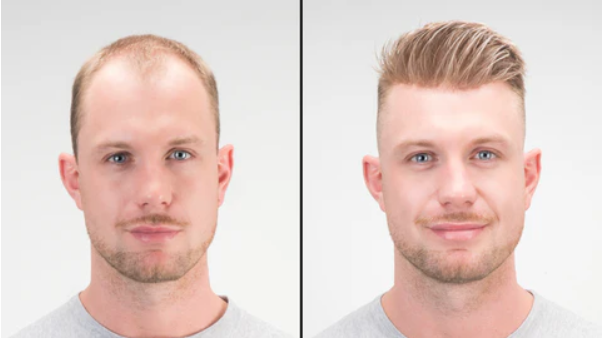
- Instant Results: Users can achieve full, natural-looking hair immediately, without waiting months for transplanted follicles to grow.
- Customizable Appearance: Density, hair flow, and hairline shape are entirely controllable, allowing for a look tailored to individual preferences.
- Non-Invasive: No surgery, no scars, no recovery time—men can resume daily activities immediately.
These advantages make Men’s Hair Replacement Systems a practical and cost-effective solution for those seeking a consistent and confident appearance.
Case Example: Confidence Without Surgery
Consider John, a 38-year-old professional who experienced progressive hair thinning. Concerned about the risks and costs of hair transplants, he explored non-surgical options. After choosing a high-quality Men’s Hair Replacement System, John immediately regained a natural, full head of hair.
The system allowed him to experiment with different styles, maintain a professional appearance, and avoid the anxiety associated with surgery. Beyond aesthetics, John reported increased self-confidence, improved posture, and a more assertive presence in social and professional settings.
Lifestyle Integration and Practicality
Men’s hair replacement systems integrate seamlessly into daily life. They can be worn during work, sports, or travel without discomfort. Many systems use breathable, lightweight bases that adhere securely to the scalp, allowing for all-day wear without irritation.
In contrast, hair transplant patients must follow strict post-operative care instructions, limit physical activity, and wait months to see final results. Non-surgical hair systems eliminate these constraints while offering a visually superior and predictable outcome.
Conclusion: A Strategic Choice for Modern Men
While surgical hair transplants can work for some, their hidden risks—secondary hair loss, scarring, long recovery, and ongoing costs—make them less appealing for men seeking practical, predictable results.
High-quality Men’s Hair Replacement Systems offer a modern alternative: non-invasive, low-maintenance, and fully customizable. These systems provide immediate visual transformation, restore confidence, and allow men to regain control over their appearance without the uncertainty or cost of surgery.
For those considering hair restoration in 2026, non-surgical solutions are not just a cosmetic choice—they are a strategic investment in style, confidence, and long-term satisfaction.
Read More From Techbullion