
From Green Valleys to Snowy Peaks: Exploring the Landscapes of Nepal, Tibet, and Bhutan

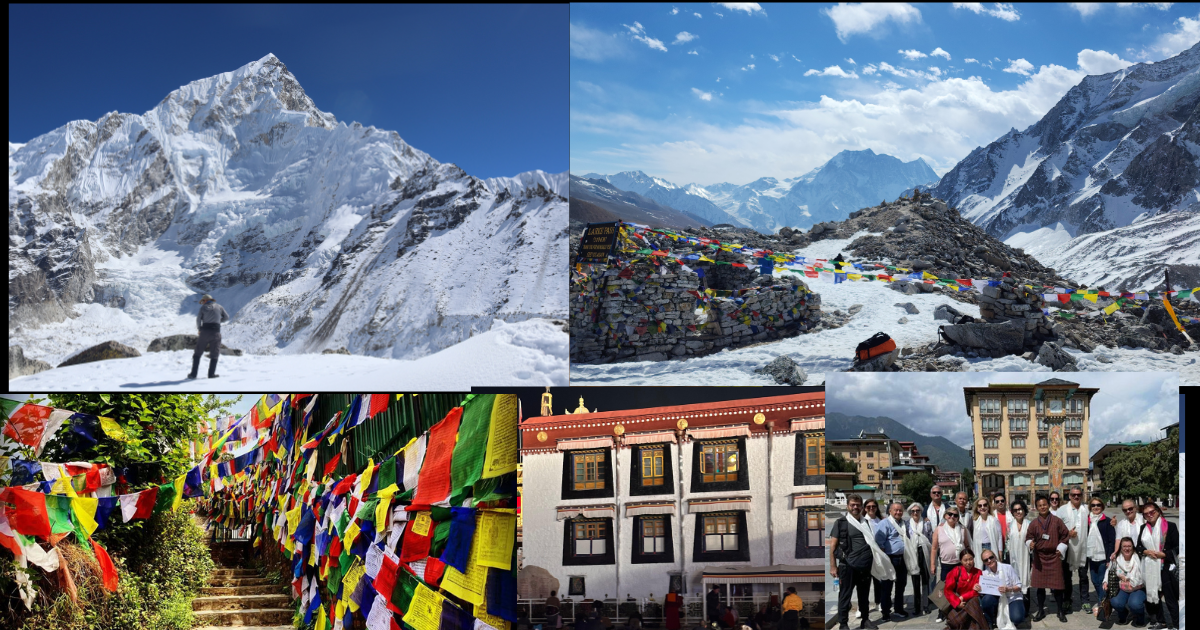
The Himalayas are often imagined through a single picture: enormous snow-covered mountains rising above the clouds. But the landscapes of the Himalayan region are far more diverse than that. Within a relatively short distance, travelers can move from green valleys and terraced hillsides to dense forests, high alpine meadows, barren mountain passes, glaciers and dramatic snow-covered peaks. In Nepal, Tibet, and Bhutan, this changing landscape is one of the most memorable parts of the journey.
For many travelers, seeing Everest Base Camp is not only about reaching a famous destination. The real experience begins much earlier, with rivers flowing through mountain valleys, forests covering the lower slopes, traditional villages surrounded by farmland, and the gradual appearance of enormous Himalayan peaks. Across the region, every landscape tells a different story and offers a different way of experiencing the mountains.
Nepal: A Landscape That Changes with Every Altitude
Nepal is one of the best places to experience the extraordinary vertical diversity of the Himalayas. The country’s landscape changes dramatically from the lowlands to the high mountains. In a single journey, travelers may pass through subtropical vegetation, cultivated hills, rhododendron forests, alpine valleys, and eventually the rocky world of glaciers and snow.
The middle hills of Nepal are particularly green. Terraced fields cover many slopes, while rivers and streams cut through deep valleys. During spring, rhododendron forests add color to the landscape, while small settlements appear between forests and farmland.
As the altitude increases, the scenery gradually becomes more dramatic. Trees become smaller, vegetation becomes thinner, and the mountains begin to dominate the horizon. Beyond the tree line, the landscape is shaped mainly by rock, ice, snow, and powerful mountain rivers.
This gradual transformation is one reason trekking in Nepal is so rewarding. The destination is not simply the mountain at the end of the route; the entire journey through changing landscapes becomes part of the experience.
Everest Region: From Forest Trails to the World’s Highest Mountains
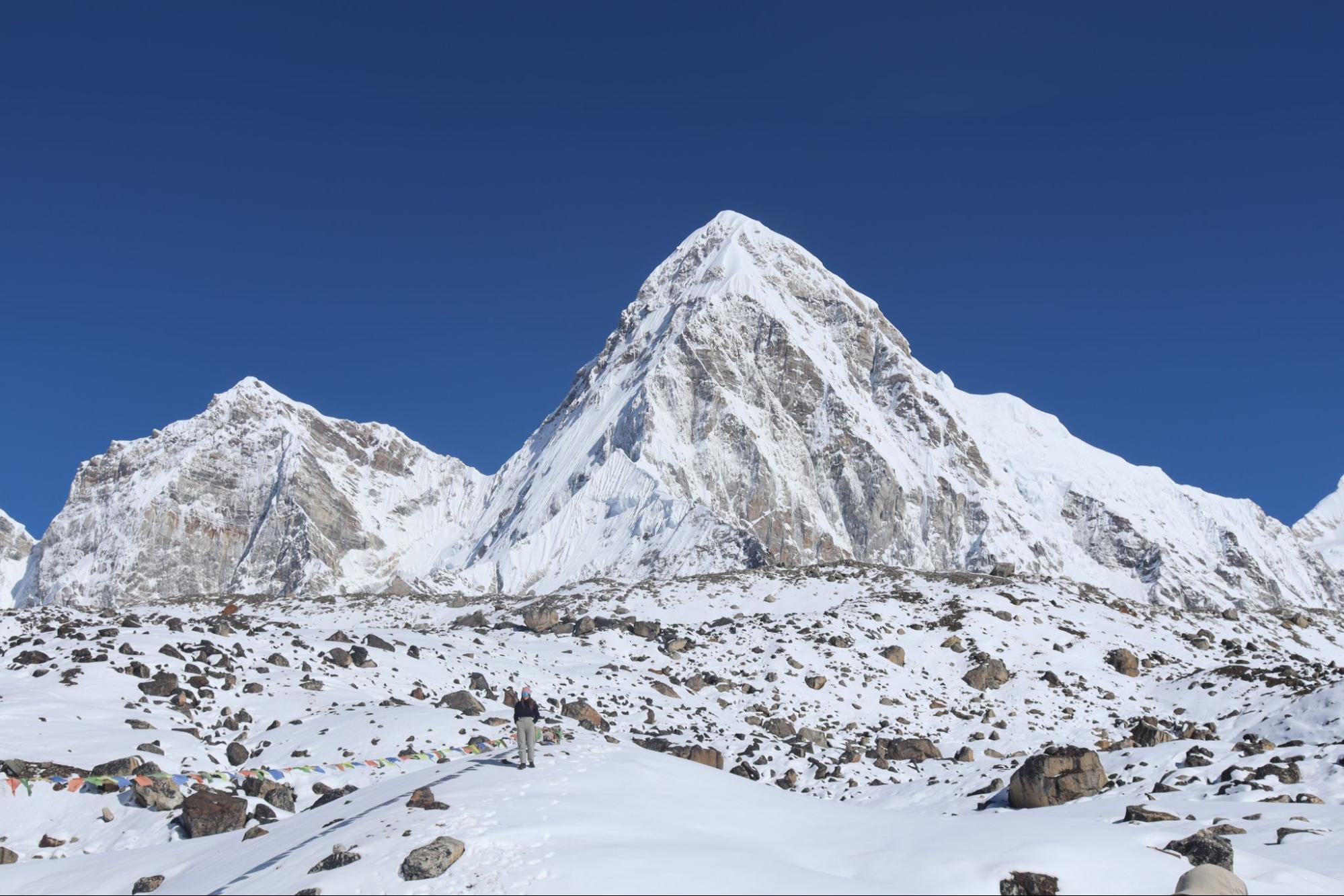
The Everest region is perhaps the most recognizable Himalayan landscape in Nepal. The journey toward the high mountains passes through the Khumbu Valley, where green forests and river valleys eventually give way to an increasingly rugged alpine environment.
Lower sections of the trail are often surrounded by pine, fir, and rhododendron forests. Mountain rivers flow through deep valleys, while suspension bridges connect villages across the landscape. As trekkers move higher, the forests gradually disappear and the views open toward enormous peaks.
Mount Everest is naturally the main attraction, but the surrounding mountains make the landscape even more spectacular. Ama Dablam, Lhotse, Nuptse and numerous other peaks rise around the valleys, creating a dramatic combination of rock, snow and sky.
Near the higher settlements, the landscape becomes much more barren. Glaciers, moraines and rocky slopes replace the forests found lower down. The contrast is striking: a journey that begins among green hills eventually reaches an environment where snow, ice and stone dominate almost everything.
For travelers who enjoy photography, hiking, or simply observing nature, the Everest region offers constantly changing scenery. Early morning light can transform the mountains, clouds can move rapidly through the valleys, and every turn of the trail can reveal a different perspective.
Manaslu: A More Remote Himalayan Landscape
While Everest is internationally famous, the Manaslu region offers a different kind of Himalayan experience. The landscape around Mount Manaslu remains comparatively remote, with deep river valleys, forests, traditional settlements, and high mountain terrain.
The Manaslu Circuit Trek is particularly interesting for travelers who want to see how the landscape changes gradually from the lower hills toward the high Himalayas. The route passes through cultivated terraces and forested slopes before reaching increasingly rugged valleys.
One of the most beautiful aspects of the Manaslu region is the relationship between the mountains and the villages. Settlements are often built on slopes or beside rivers, while farmland is carefully shaped into terraces. As the trail climbs higher, the architecture and vegetation also change, reflecting the harsher mountain environment.
Eventually, the landscape becomes much more open and dramatic. The Larkya La area is surrounded by rocky mountains, glaciers and snow-covered peaks. Crossing a high mountain pass provides a completely different view from the green valleys experienced at the beginning of the trek.
Compared with the Everest region, Manaslu can feel quieter and more remote. For travelers who prefer less crowded trails and want to experience a broader range of Himalayan landscapes, it can be an excellent choice.
Tibet: Vast Open Landscapes Beyond the High Mountains
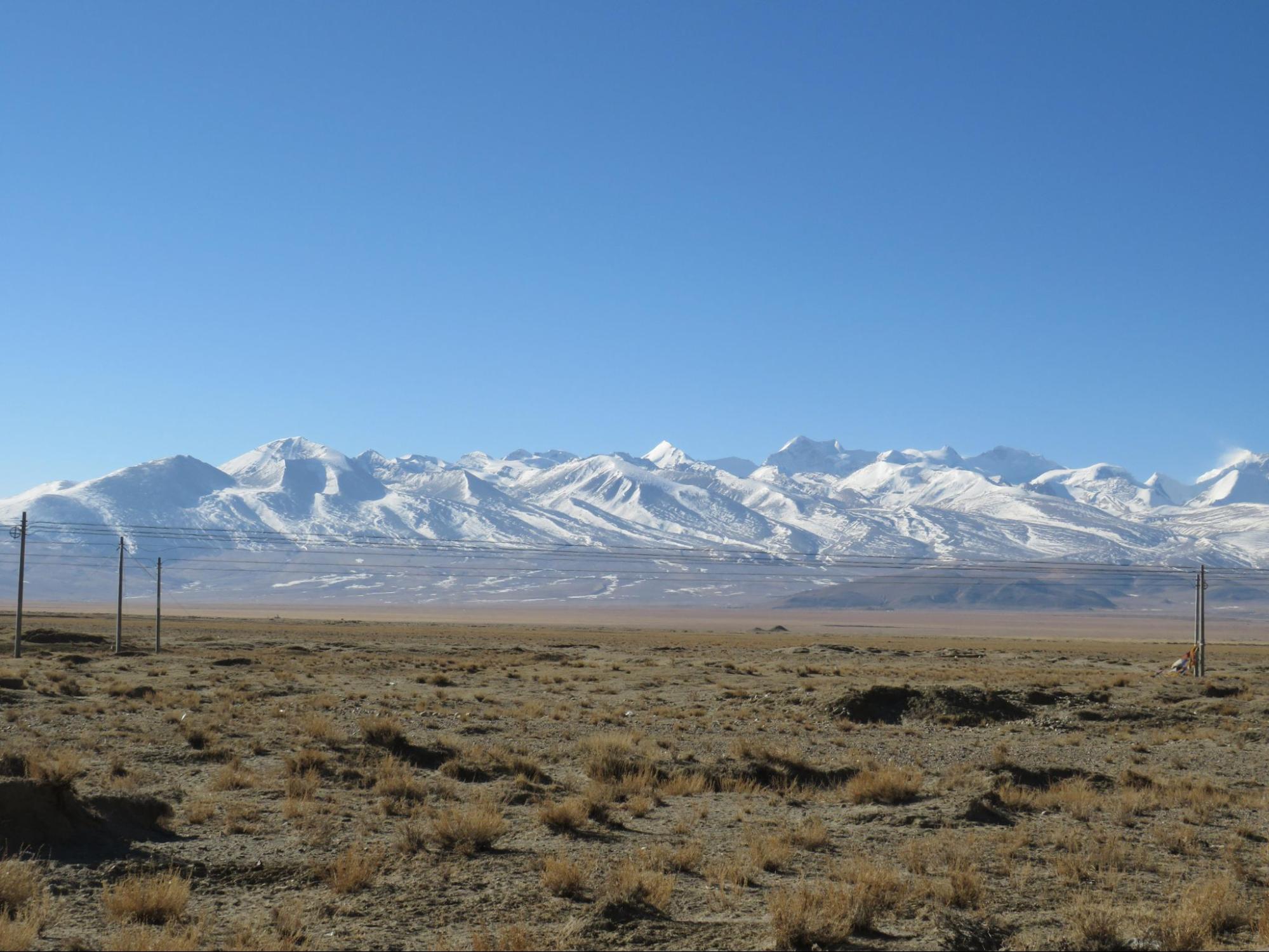
Across the Himalayan border, the landscape changes dramatically again. Tibet is often associated with high mountains, but its character is very different from Nepal’s deep valleys and densely vegetated hills.
The Tibetan Plateau is enormous and open. Instead of constantly looking upward from narrow valleys, travelers can find themselves surrounded by wide plains, distant mountain ranges, and huge skies. The sense of space is one of the most striking features of the landscape.
At high elevations, vegetation is limited, and the land can appear dry and almost desert-like. Brown and golden plains stretch toward distant mountains, while snow-covered peaks rise unexpectedly from the horizon.
Tibet is also known for its high-altitude lakes. Their clear blue or turquoise waters create dramatic contrasts with the surrounding dry mountains and open plateau. Depending on the season and weather, the same landscape can appear completely different, from bright and colorful under clear skies to mysterious and atmospheric beneath clouds.
For people interested mainly in landscapes, Tibet travel offers a completely different experience from trekking through the green valleys of Nepal. The scale is larger, the vegetation is much more limited, and the feeling of openness is extraordinary.
Road journeys across Tibet can be particularly rewarding because travelers can see large sections of the plateau without walking long distances. The landscape changes slowly but continuously, revealing new mountains, lakes, valleys, and high passes along the way.
Bhutan: Forested Mountains and Deep Green Valleys
Bhutan provides another striking contrast. While Nepal and Tibet are strongly associated with high alpine terrain, Bhutan is famous for its forest-covered mountains, deep valleys, and lush natural environment.
Much of the country’s landscape remains green, especially at lower and middle elevations. Forests cover mountain slopes, rivers flow through valleys, and small settlements appear among cultivated land.
As travelers move through Bhutan, the landscape often feels peaceful and enclosed compared with the wide-open plateau of Tibet. Mountains rise around narrow valleys, while forests create a strong sense of depth and natural richness.
Higher elevations bring changes in vegetation and scenery. Dense forests gradually give way to alpine environments, where the mountains become more exposed and the climate becomes colder. This variety makes Bhutan travel appealing to travelers who want Himalayan scenery without focusing exclusively on extremely high-altitude trekking.
The country’s mountain roads also provide opportunities to experience changing landscapes without spending every day on a trekking trail. Travelers can stop at viewpoints, walk through forests and explore valleys while continuing to experience the Himalayan environment.
Three Countries, Three Very Different Himalayan Landscapes
Although Nepal, Tibet, and Bhutan all form part of the wider Himalayan region, their landscapes are remarkably different.
Nepal is characterized by dramatic vertical changes. Green valleys, terraced hills, forests, alpine meadows, glaciers and some of the world’s highest peaks can all be experienced within the same country.
Tibet is defined by scale and openness. The high plateau, enormous skies, barren mountains and high-altitude lakes create a landscape that can feel almost endless.
Bhutan, meanwhile, is strongly associated with forests, green mountain slopes and deep valleys. Its landscapes are softer and greener in many areas, although high mountain environments can also be found.
These differences make a journey across the Himalayan region especially interesting. Travelers do not simply see more mountains; they discover different ways in which people and nature exist within the mountains.
Why Local Support Can Make Himalayan Travel Easier
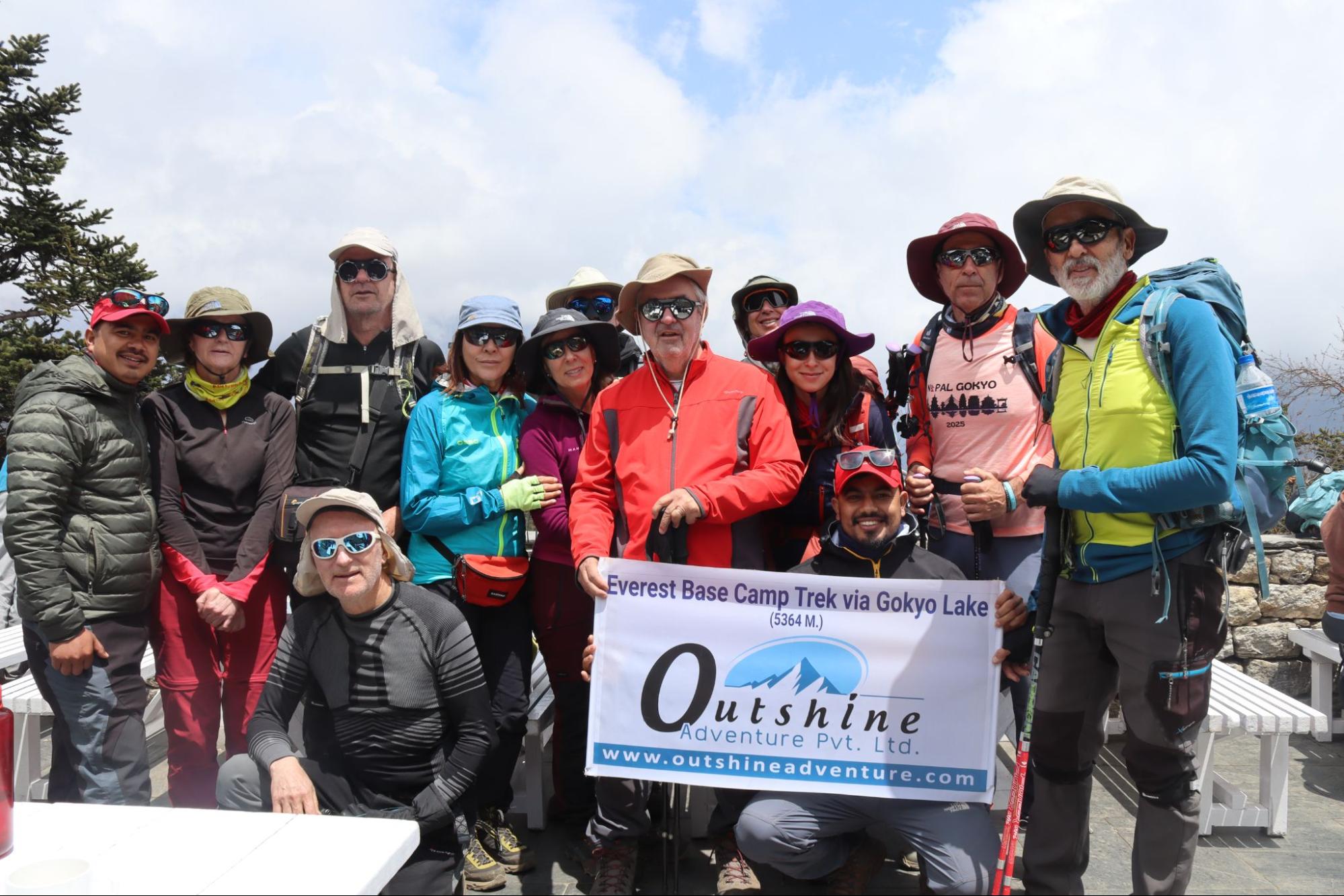
Although the landscapes are beautiful, traveling through the Himalayas requires more planning than an ordinary holiday. Distances can be long, mountain roads can be affected by weather, and some destinations are remote. Trekking routes also require appropriate preparation, guides, accommodation arrangements and attention to altitude.
This is where a reliable local operator can make the experience much easier.
A local travel company understands the practical side of traveling through the region. They can help arrange transportation, accommodation, guides, permits, trekking logistics and route planning. They also have a better understanding of seasonal conditions and the realities of traveling in remote mountain areas.
This can be especially useful for travelers visiting Nepal, Tibet or Bhutan for the first time. Instead of trying to organize every part of a complicated journey independently, travelers can have local support from people who understand the destination.
For Spanish-speaking travelers, Viajes a Nepal can serve as a local travel operator and travel partner for exploring Nepal and the wider Himalayan region. Having local assistance can make communication, planning, and day-to-day travel considerably easier, particularly when a journey includes remote trekking areas or several different destinations.
The advantage of working with a local operator is not only convenience. Local knowledge can also help travelers choose a route that matches their interests, available time and comfort level. Some travelers may want a challenging trek such as Everest or Manaslu, while others may prefer scenic road journeys, short hikes and mountain viewpoints.
A good local operator can help create a journey around the traveler rather than expecting every traveler to follow exactly the same itinerary.
Choosing the Right Himalayan Experience
Not every traveler needs to climb a high mountain or complete a long trek to enjoy Himalayan landscapes.
Some people prefer walking through forests and villages. Others want to see glaciers and high mountain passes. Some travelers are most interested in long scenic drives across the Tibetan Plateau, while others prefer the green valleys and mountain roads of Bhutan.
Nepal offers some of the widest choices, from short mountain excursions to multi-day trekking routes. Tibet is ideal for travelers attracted to vast high-altitude landscapes and dramatic road journeys. Bhutan is well suited to those who want to combine mountain scenery with forests, valleys, and a slower pace of travel.
The most important thing is to choose an experience that matches your interests, physical ability, available time, and preferred style of travel.
Traveling Responsibly Through Fragile Landscapes
The beauty of the Himalayas also comes with responsibility. Mountain environments are fragile, and many areas are increasingly affected by changing weather patterns, melting glaciers, erosion, and pressure from tourism.
Travelers can help protect these landscapes by avoiding unnecessary plastic waste, using established trails, respecting local communities, and following local environmental guidelines. Small choices can make a meaningful difference, especially in remote areas where waste management and other facilities are limited.
Responsible travel also means respecting the people who live in these landscapes. Villages, farmland, forests, and mountain trails are not simply scenery; they are part of people’s everyday lives.
When travelers take the time to understand this connection, the journey becomes more meaningful than simply collecting photographs of famous peaks.
More Than Just Snow-Covered Mountains
The Himalayan landscape is much more than a collection of famous peaks. It is a constantly changing environment of green valleys, terraced hillsides, forests, rivers, alpine meadows, high passes, glaciers, and enormous open plateaus.
Nepal offers an extraordinary journey from green lowlands and hills to the world’s highest mountains. The Everest region reveals a dramatic transition from forests to glaciers, while Manaslu provides a quieter journey through remote valleys and high mountain terrain.
Tibet introduces travelers to the immense scale of the high plateau, where barren mountains, clear lakes, and endless horizons create a landscape unlike almost anywhere else. Bhutan offers another perspective, with forest-covered mountains, deep valleys, and a greener Himalayan environment.
For travelers wondering who can make such a journey easier, local expertise can be one of the most valuable parts of the experience. A trusted local operator can take care of the practical details while travelers concentrate on the landscapes, people, and experiences that make the Himalayas so memorable.
Whether the journey begins in a green Nepalese valley, follows a trail toward Everest, crosses the remote landscapes of Manaslu, travels across the Tibetan Plateau or winds through the forests of Bhutan, the Himalayas offer something far greater than a view of snow-covered peaks.
They offer a journey through constantly changing landscapes and an opportunity to experience the mountains from many different perspectives.
Frequently Asked Questions
1. What makes Nepal, Tibet, and Bhutan different?
Nepal is known for green valleys and high snowy peaks, Tibet for vast high-altitude plateaus and open landscapes, and Bhutan for forested mountains and deep green valleys.
2. What is the best place to see Himalayan landscapes in Nepal?
The Everest and Manaslu regions are excellent choices for dramatic mountain scenery, glaciers, valleys, forests and high-altitude landscapes.
3. Is Himalayan travel suitable for first-time visitors?
Yes. With a well-planned itinerary and reliable local support, first-time travelers can comfortably explore many parts of Nepal, Tibet and Bhutan.
4. Can Spanish-speaking travelers get local support?
Yes. Outshine Adventure is a local travel operator offering Spanish-speaking support for trips such as Trekking al Campo Base del Everest and Campo Base del Manaslu.
- Do I need to trek to enjoy the Himalayas?
No. Travelers can enjoy Himalayan landscapes through trekking, scenic drives, short hikes, mountain viewpoints, and carefully planned tours.





Comment