
Fountain Lights: How to Choose the Right Underwater Setup

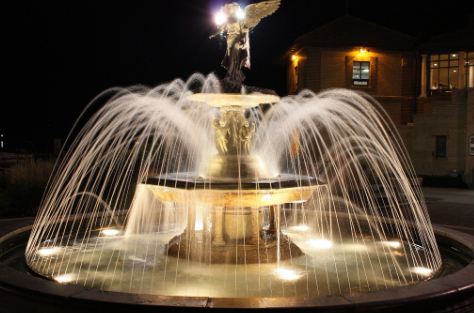
A fountain can look impressive in daylight and disappear after sunset. The right fountain lights make its shape, spray, and surrounding water visible at night, but choosing fixtures involves more than picking a color. Beam spread, water depth, mounting position, finish, and electrical requirements all affect the final result.
Start by deciding what you want people to notice. Do you want the water plume to glow, the basin to read as a calm focal point, or the whole pond edge to remain visible? Once you define the job, it becomes easier to compare underwater fountain lights and avoid buying more brightness or color effects than the feature needs.
Fountain Lights & Underwater Lighting: Start with the Water Feature
List the fountain’s basic conditions before shopping: basin dimensions, operating water depth, spray height, water clarity, mounting surfaces, and where viewers will stand. A compact courtyard fountain and a broad pond fountain need different layouts. The first may need one carefully aimed accent. The second may need multiple fixtures spaced to cover the water without creating bright spots.
The water itself changes what a light can do. Clear, still water transmits light differently from moving spray, bubbles, or water with sediment. A narrow beam can create a defined highlight on a jet or sculpture. A wider beam spreads light across a basin, but can look flat if it is aimed straight toward the viewer. For a more dimensional effect, place lights so they graze water movement from the side or below, where the fixture design permits.
Also consider whether the lights will sit in the basin, attach to a fountain structure, or illuminate the feature from outside the water. Submerged fixtures are designed for underwater use; ordinary landscape spotlights are not substitutes. Some projects use both: underwater light for the water and separate landscape fixtures for nearby trees, paths, or stonework.
Choose Beam Spread, Output, and Color Together
A fixture’s output is only useful when its beam reaches the intended target. Compare the manufacturer’s lumen and beam information, then relate it to the fountain’s depth, width, and surface movement. For a narrow vertical jet, a tighter beam may keep the light concentrated. For a broad basin or cascading water, a wider beam can cover more area. Avoid choosing solely by wattage, since wattage describes power use rather than how much visible light reaches the water.
Color affects the mood and the legibility of the water. White light tends to show natural water texture and works across many materials. Color-changing options can add a more theatrical look, especially for events, but constant color shifts may compete with the fountain’s shape. If you want both everyday white illumination and occasional color, check whether the product and its control system support the modes you need. RGB and RGBW are not interchangeable labels: RGBW includes a dedicated white channel, while RGB mixes red, green, and blue to create colors and white-like tones.
Think about the surrounding finish, too. Warm white can feel at home with warm stone and traditional landscaping. A neutral or cooler white may suit concrete, metal, and contemporary designs. When comparing a light fountain concept to a natural-looking installation, ask whether the color reinforces the setting or becomes the main event.
Plan Fixture Placement Before Installation
Draw a simple top-down sketch of the basin and mark the most common viewing points. Then mark the fountain head, major water paths, and possible fixture locations. This helps you avoid aiming a beam directly at a patio chair, window, or walkway. Glare can make a bright fountain less comfortable to view, even when the fixture itself is underwater.
For a single central plume, test a balanced arrangement before committing to permanent mounting. Two lights placed opposite each other may reduce harsh shadows, while one off-axis fixture can create stronger texture. On a multi-jet feature, consistent spacing often produces a calmer appearance than randomly placed points of light. The best layout depends on the spray pattern and how much of the basin should be visible.
For a pond fountain with lights, decide whether to illuminate only the spray or also the water below it. This approach can help when planning pond fountains with lights across a larger basin. A fixture aimed upward can make the moving column visible, while a separate low-angle beam can reveal part of the basin. If fish or aquatic plants are present, avoid excessive brightness and check whether the light schedule and color are appropriate for the pond’s inhabitants. Do not assume a pool fountain with lights can use any pool light: verify that each fixture is specifically suitable for its location and installation method.
Before installation, confirm cable routing, transformer or driver requirements, control compatibility, and access for maintenance. A fixture that is hard to reach may turn routine cleaning or replacement into a larger job. For permanent or commercial installations, coordinate the plan with the fountain contractor and a qualified electrician before the basin is filled.
Treat Underwater Suitability and Safety as Essential
An underwater fixture must be identified and specified for the conditions where it will operate. Check the manufacturer’s documentation for approved application, maximum submersion conditions, voltage, wiring method, and installation instructions. Do not infer that a fixture is suitable for continuous immersion from a general outdoor or water-resistant label alone.
Electrical requirements depend on the installation and jurisdiction. OSHA’s workplace electrical standard requires ground-fault circuit-interrupter protection for fountain equipment operating above 15 volts. Residential projects must also follow applicable electrical codes, local requirements, and the fixture instructions. Have a qualified electrician determine the correct protection and wiring for your project; never improvise connections around water.
Follow the product manual for operation and service. For example, Pentair’s fountain fixture instructions warn against operating its underwater light for more than 10 seconds unless fully submerged. That instruction is specific to that fixture, which is why the manual for the exact model matters. Disconnect power before maintenance, and do not operate a fixture with damaged cable, cracked glass, or a compromised seal.
Match the Buying Choice to the Project
AQLightingGroup.com’s dedicated category page groups underwater options for fountain and pond applications, giving you a place to compare the available types before narrowing by exact model details. A useful short list should answer these questions:
- Is the fixture intended for underwater fountain use and the site’s water conditions?
- Does the beam spread suit the fountain’s width, depth, and spray pattern?
- Do you want fixed white light, a selected color, or a compatible color-changing system?
- Are the voltage, power supply, wiring, and controls compatible with the project?
- Can the fixture be positioned to avoid glare and reached later for service?
- Do the installation instructions and local electrical requirements fit the plan?
The right number of fixtures is the number that delivers the intended view, not the largest quantity that fits in the basin. If the fountain has unusual dimensions, changing water levels, or public access, ask a lighting professional or installer to review the layout before ordering. For designers, fountain lighting plans should coordinate fixture positions with plumbing, access, and the visual effect from key viewpoints. A lighted fountain should feel integrated with the site rather than like a separate display.
AQLightingGroup.com offers a category of LED underwater fountain lights for fountains, ponds, and other waterscapes. Their category page is a useful starting point for comparing underwater options; review each product’s documentation for the specifications and installation limits that apply to your feature. When reviewing AQ Lighting listings, compare exact model documentation before purchase. A clear plan for beam, placement, compatibility, and service will help you choose a fountain light that suits the water feature and the way you use the space.
FAQs
1. What type of lights are used in fountains?
Use fixtures specifically designed and listed for underwater fountain applications when they will be submerged. For dry locations around the fountain, use outdoor fixtures rated for those conditions instead.
2. How many lights should a fountain have?
The number depends on basin size, spray pattern, beam spread, and viewing angles. Sketch the layout and test the intended effect where possible before final mounting.
3. Should fountain lights be white or color-changing?
White light is a straightforward choice for showing water texture and materials. Color-changing fixtures suit more theatrical scenes, but verify that the control system supports the colors and behavior you want.
4. Can pond lights be used in a fountain?
Only if the exact fixture is approved for the fountain’s immersion conditions and installation method. “Pond” or “outdoor” in a product title alone does not confirm suitability.
5. Can you run an underwater fountain light when the water is low?
Follow the fixture’s manual. Some underwater lights require full submersion during operation, and running one without enough water can create a hazard or damage the fixture.







Comment