
Five Cloud Migration Pitfalls and How to Avoid Them

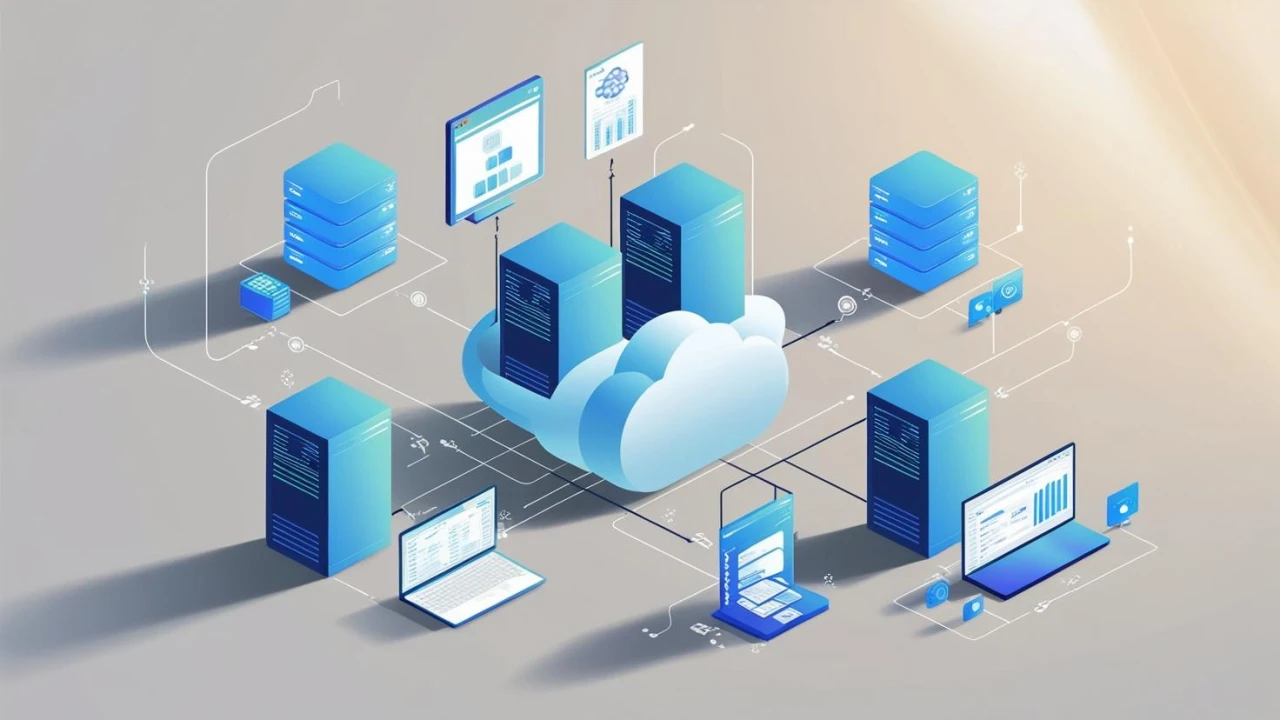
Cloud migration looks straightforward on paper. You move workloads, retire aging hardware, and gain the flexibility your business needs to scale. In practice, the path is rarely that clean. Organizations across every sector keep making the same avoidable mistakes, and the cost of those mistakes compounds quickly once you are already mid-migration.
The first pitfall is migrating without a proper audit. Many companies lift and shift everything they have without first evaluating what actually needs to move. Legacy applications with deep dependencies, redundant data sets, and end-of-life software all create problems in a cloud environment that were manageable on-premises. Before any migration begins, take a full inventory of your infrastructure. Partnering with a reliable IT support team at this stage gives you an objective view of your environment and prevents you from carrying technical debt into the cloud.
The second pitfall is underestimating the complexity of licensing and software subscriptions. Cloud environments introduce a different cost model than traditional infrastructure, and software licensing does not always translate cleanly. Organizations that move to cloud productivity platforms without understanding how their agreements work frequently overspend or find themselves out of compliance. This is especially true for Microsoft environments. Working with Microsoft 365 managed services experts before and during migration helps organizations configure licensing correctly, avoid redundant subscriptions, and get full value from the platform from day one.
The third pitfall is neglecting security configuration. The cloud provider secures the infrastructure, but you are responsible for securing your data and identities within it. Misconfigured access controls, weak multi-factor authentication policies, and over-permissioned accounts are among the most common causes of cloud security incidents. A migration plan needs to include a security baseline, not just a technical checklist for moving files and applications. Treat identity management and access governance as first-class components of the project, not an afterthought.
The fourth pitfall is failing to train staff before go-live. Even a technically successful migration creates disruption when users are not prepared for new interfaces, workflows, or tools. Productivity dips are predictable whenever a workforce encounters an unfamiliar environment without adequate preparation. The solution is not a single training session. It is a structured onboarding process that begins before the migration is complete, includes documentation tailored to your specific configuration, and provides ongoing support after cutover. A responsive, reliable IT helpdesk team is essential here, giving employees a direct channel for questions and reducing the frustration that typically drives resistance to new systems.
The fifth pitfall is treating the migration as a one-time project rather than an ongoing operational shift. Cloud environments require continuous management. Costs drift upward when resources are not right-sized. Security policies go stale. Applications that worked at launch develop performance issues as usage patterns change. Organizations that hand the project to an internal team already stretched thin end up with cloud environments that are more expensive and less reliable than the on-premises setup they replaced. The post-migration phase needs dedicated oversight, ideally with defined processes for cost monitoring, patch management, compliance reviews, and capacity planning.
Avoiding these pitfalls is not about having a bigger budget or a longer timeline. It is about approaching migration as a strategic initiative with the right expertise involved at each stage. The organizations that migrate successfully are the ones that treat planning, security, user adoption, and ongoing management as equal priorities rather than checking boxes to reach a launch date faster.
If your organization is planning a cloud migration or is currently working through one, reach out to Net-I to learn how their managed services can help you avoid these common mistakes and build a cloud environment that performs the way you need it to.







Comment