
How a Facial Recognition SDK Can Transform Your Business

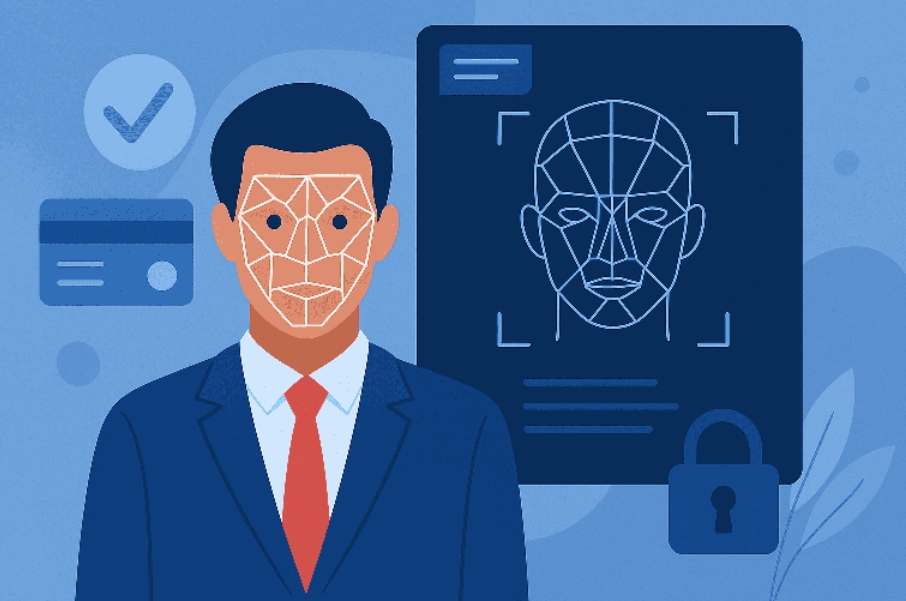
Facial recognition is no longer science fiction. From unlocking phones to verifying identities at airports, it’s everywhere quietly running in the background, making life smoother and safer. At the heart of many of these solutions lies a powerful tool: the facial recognition SDK. If you’re a business looking to integrate face-based identity checks, understanding this technology is the first step.
Introduction to Facial Recognition SDK
A facial recognition SDK (Software Development Kit) is like a starter pack for building face recognition features into your own applications. Think of it as a box of Lego blocks — the pieces (algorithms, APIs, and tools) are already built; you just have to assemble them into your system.
Who uses it?
- Banks that need to verify a customer’s identity before large transactions.
- Retailers are aiming for seamless checkout experiences.
- Security companies protecting restricted areas.
Why it matters today: In a world of rising cybercrime and fraud, traditional passwords are easy to steal. Faces, however, are unique and much harder to fake.
How a Facial Recognition SDK Works
Understanding how it works helps you appreciate why it’s such a game-changer.
Core Components
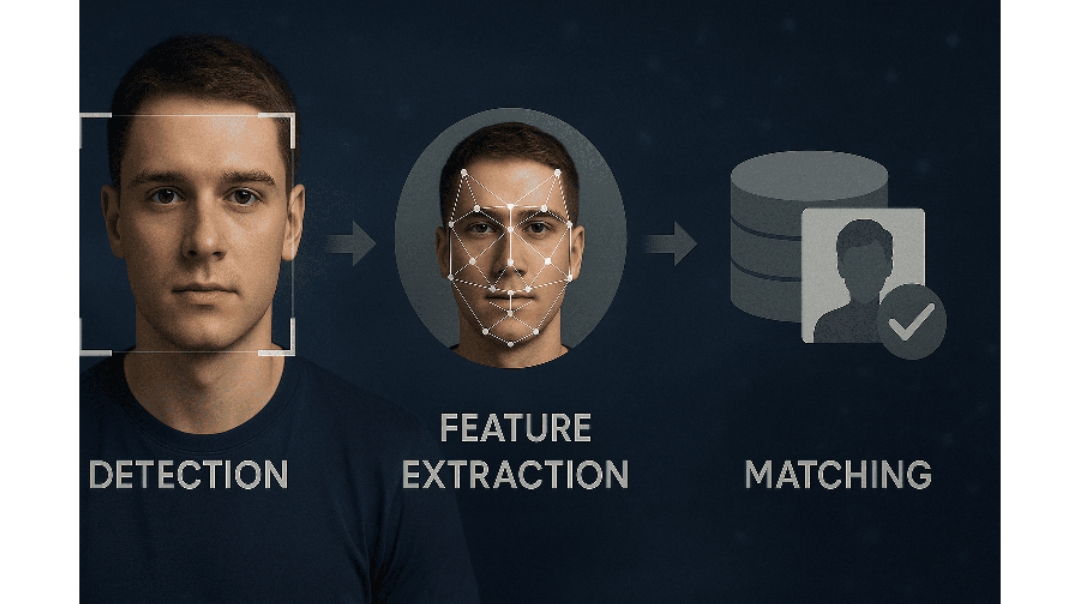
- Face Detection: Identifying a person’s face within a picture or video feed.
- Feature Extraction: It measures unique details like eye distance, jawline, and skin texture.
- Matching Engine: These measurements are compared to stored profiles to find a match.
Example: Imagine an airport kiosk scanning your face. In under a second, it confirms your identity by matching it to your passport photo stored in a secure database.
Behind the Scenes Technology
Facial recognition doesn’t rely on simple image matching. It uses:
- AI and Deep Learning: Models trained on millions of face samples learn to identify subtle patterns.
- Neural Networks: Layers of computation that mimic the way our brain processes faces.
- Edge Computing: Running processes locally to cut down on delays.
| Step | Technology Used | Purpose |
| Detection | Convolutional Neural Networks (CNNs) | Locate the face in an image |
| Feature Extraction | Deep Learning Models | Measure unique facial markers |
| Matching | Vector Comparison | Match with database entries |
Benefits of Using a Facial Recognition SDK
Accuracy and Speed in Verification
Modern solutions can identify a person in milliseconds with accuracy rates exceeding 99% according to NIST.
Easy Integration for Developers
An SDK eliminates the need to build face recognition from scratch. It comes with:
- Ready-to-use APIs.
- Sample code for multiple programming languages.
- Cross-platform support (mobile, web, desktop).
Security and Fraud Prevention
Facial recognition makes spoofing much harder compared to passwords or PINs. Many SDKs also include liveness detection to prevent fraud using printed photos or videos.
Use Cases Across Industries
Banking and Finance
- Onboarding new customers without visiting a branch.
- Authorizing high-value transactions.
Mini Case Study:
A European bank cut onboarding time by 70% after integrating face-based verification, while also reducing identity fraud attempts.
Law Enforcement and Security
- Real-time identification of persons of interest.
- Access control in sensitive facilities.
Retail and Customer Experience
- VIP recognition for personalized service.
- Frictionless payment systems in stores.
Choosing the Right Facial Recognition SDK
Key Factors to Consider
- Accuracy Rate: Look for third-party testing results.
- Speed: Essential for real-time use cases.
- Platform Compatibility: Does it work on iOS, Android, Windows, and Linux?
- Privacy Compliance: Meets laws like GDPR or CCPA.
| Factor | Why It Matters |
| Accuracy | Reduces false matches |
| Speed | Enhances user experience |
| Compliance | Avoids legal trouble |
| Compatibility | Supports multiple platforms |
Questions to Ask Vendors
- What’s your false acceptance/rejection rate?
- How do you handle user data storage?
- Can your SDK run offline for security?
Privacy, Ethics, and Legal Considerations
Facial recognition isn’t without controversy. Governments and privacy advocates stress the importance of:
- Data Protection: Compliance with GDPR, CCPA, and other regulations.
- Bias Mitigation: Ensuring AI models work equally well across ethnicities and ages.
- User Consent: Clearly informing individuals before scanning.
Future of Facial Recognition SDKs
Expect advancements like:
- Improved Accuracy: Even in low light or at extreme angles.
- Edge Processing: Making recognition faster and more private.
- Integration with Wearables: Smart glasses that verify identity on the go.
Industry Trend: Gartner predicts that by 2027, 60% of large organizations will use facial recognition in some form for security or customer experience.
Conclusion
A facial recognition SDK can be the bridge between your business idea and a fully functional, secure face recognition system. Whether it’s preventing fraud, speeding up onboarding, or delivering a better customer experience, the right SDK makes all the difference. With privacy, speed, and accuracy in mind, you can deploy it responsibly and effectively and if you want to see one in action, Recognito offers a robust solution worth exploring.
You can also visit the Recognito GitHub to explore developer resources, sample code, and integration examples to kickstart your project.






Comment