
Extending Fresh Dip Shelf Life with MAP and Nitrogen Flushing

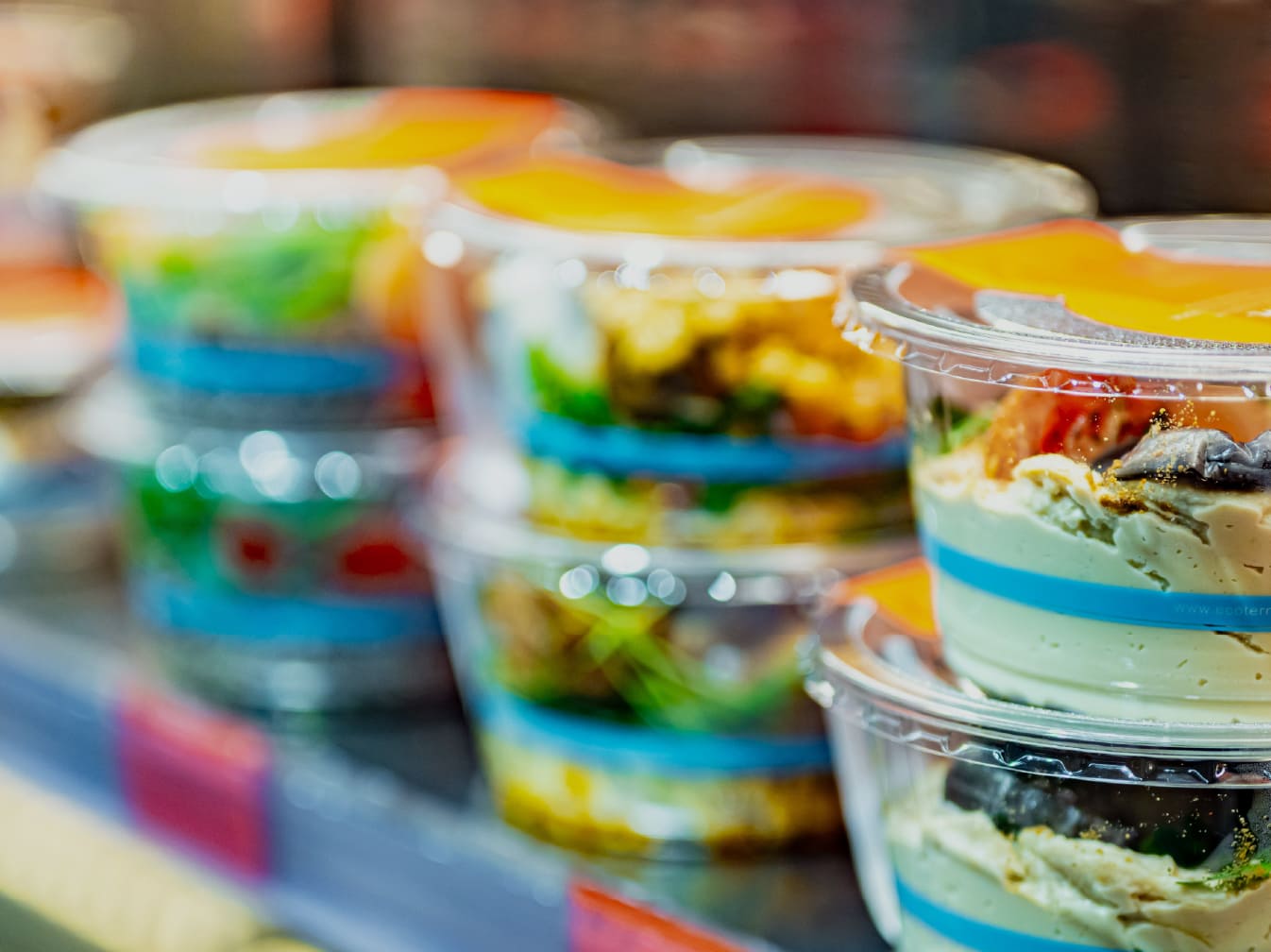
For makers of hummus, guacamole, and fresh dips, shelf life is everything. A few extra days of freshness open the door to wider distribution, fewer returns, and less shrink — while a short shelf life confines a brand to local shelves and constant reordering. The single most effective tool for extending that window, short of preservatives many consumers reject, is modified atmosphere packaging, or MAP.
Fresh dips spoil for two main reasons: oxidation and microbial growth. Oxygen in the cup’s headspace drives both. It turns guacamole brown, degrades the flavour and colour of hummus, and feeds the aerobic bacteria, yeasts, and moulds that cut a product’s life short. Remove or displace that oxygen and you slow every one of those processes at once.
That is exactly what nitrogen flushing does. During packaging, the headspace above the product is flushed with an inert gas — typically nitrogen, or a nitrogen–carbon-dioxide blend — displacing oxygen just before the cup is sealed. Nitrogen is inert and keeps the product from oxidizing; carbon dioxide adds a bacteriostatic effect that further suppresses microbial growth. The result, combined with a good cold chain, can extend refrigerated shelf life dramatically compared with air-packed product.
The catch is that MAP only works if it is done consistently, and that requires the right equipment. A dip filling and sealing machine built for MAP integrates gas flushing directly into the sealing station, so every cup gets a controlled flush and an airtight seal in the same motion. Doing this by hand, or with equipment not designed for it, produces inconsistent residual-oxygen levels — and a cup with too much trapped oxygen spoils on the normal timeline no matter what the label promises.
Several factors determine how effective MAP will be. Residual oxygen level is the headline number — the lower the oxygen left in the package, the better. Seal integrity matters just as much; a perfect flush is wasted if the lidding film has a channel leak that lets air back in, which is why clean cup rims and reliable heat-sealing are critical. The gas mixture should be matched to the product, and the barrier properties of the cup and film must be high enough to keep oxygen from migrating back through the packaging over time.
The business case is straightforward. Extra shelf life converts directly into commercial reach: national retail programs, longer shipping distances, and larger order sizes all become viable when a product reliably lasts weeks rather than days. It also cuts waste — both the producer’s and the retailer’s — which increasingly matters to buyers evaluating a supplier.
For a producer weighing the investment, the practical path is equipment that combines accurate filling, integrated nitrogen flushing, and dependable sealing in one automated system built for thick, fresh products. That integration is what makes consistent, low-residual-oxygen packaging repeatable at production speed.
In a category where “fresh” is the whole promise, MAP is how that promise survives the trip from plant to shelf to refrigerator. For any dip maker looking to grow beyond local distribution, mastering nitrogen flushing and sealing is not a luxury — it is the foundation of a scalable, low-waste operation.
Anchor text & backlinks used
Anchor: “dip filling and sealing machine” → https://hummuspack.com/dip-filling-sealing-machine/







Comment