Cyber risks keep growing, but most businesses do not have the time or resources to monitor every alert, patch every gap, and respond around the clock. That is where managed IT security services come in. They help you strengthen protection, improve threat detection, and reduce risk without overloading your team. If you are comparing security service providers, this guide explains what these services do, why they matter, and what capabilities you should expect before you choose a partner.
Understanding Managed IT Security Services
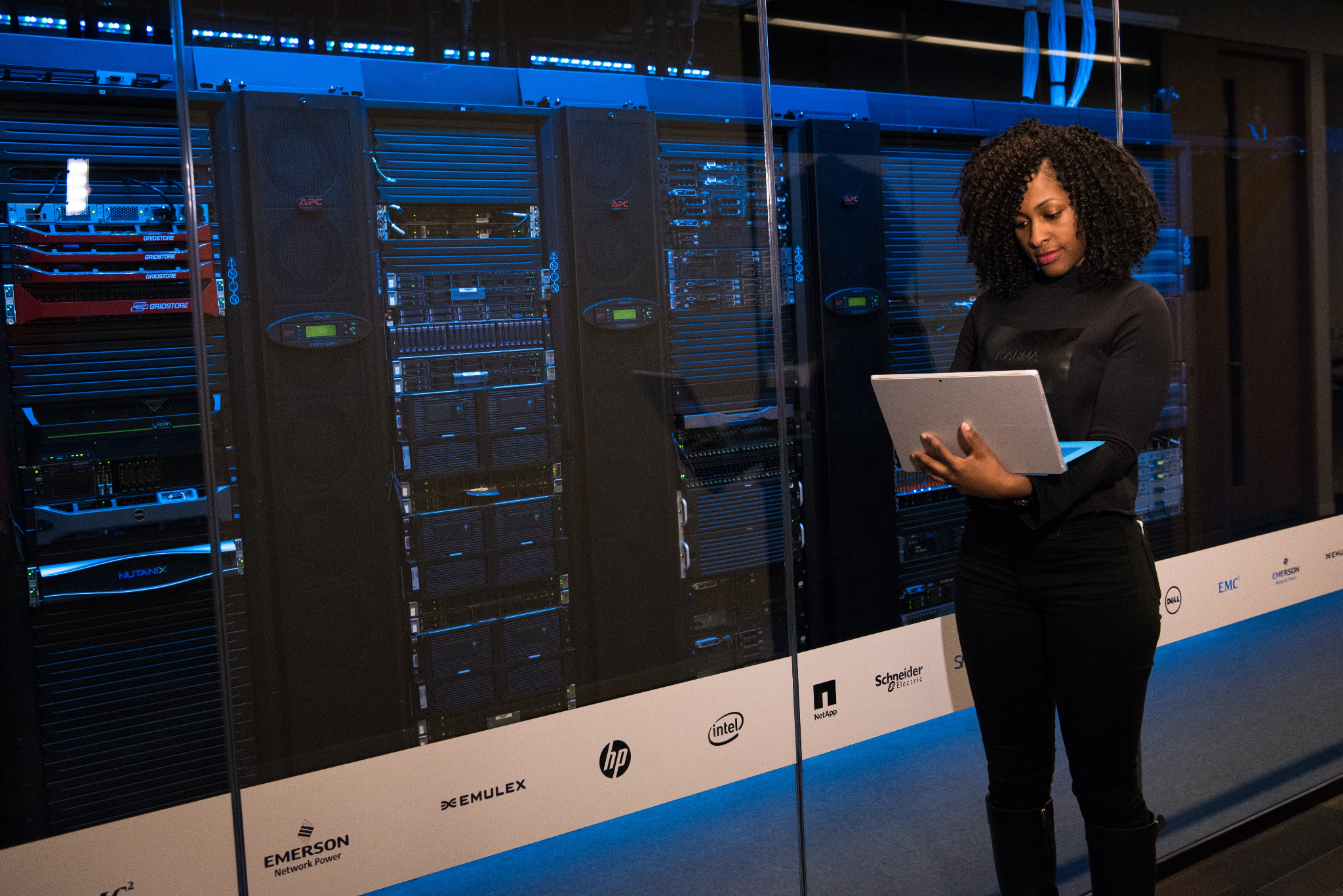
Managed IT security services are outsourced cybersecurity solutions provided by specialists. Instead of relying solely on your internal team, you partner with a provider who manages critical tasks like security monitoring, threat detection, vulnerability scanning, patch management, firewall management, and incident response. The goal: consistently protect your IT infrastructure, digital assets, and data.
These providers use continuous monitoring, advanced tools, and threat intelligence to detect and respond to threats early. They may handle endpoint detection, network and cloud security, and event management from a centralised operations centre—giving you stronger protection without the need to build every capability in-house.
Key Benefits of Managed IT Security Services for Australian Businesses
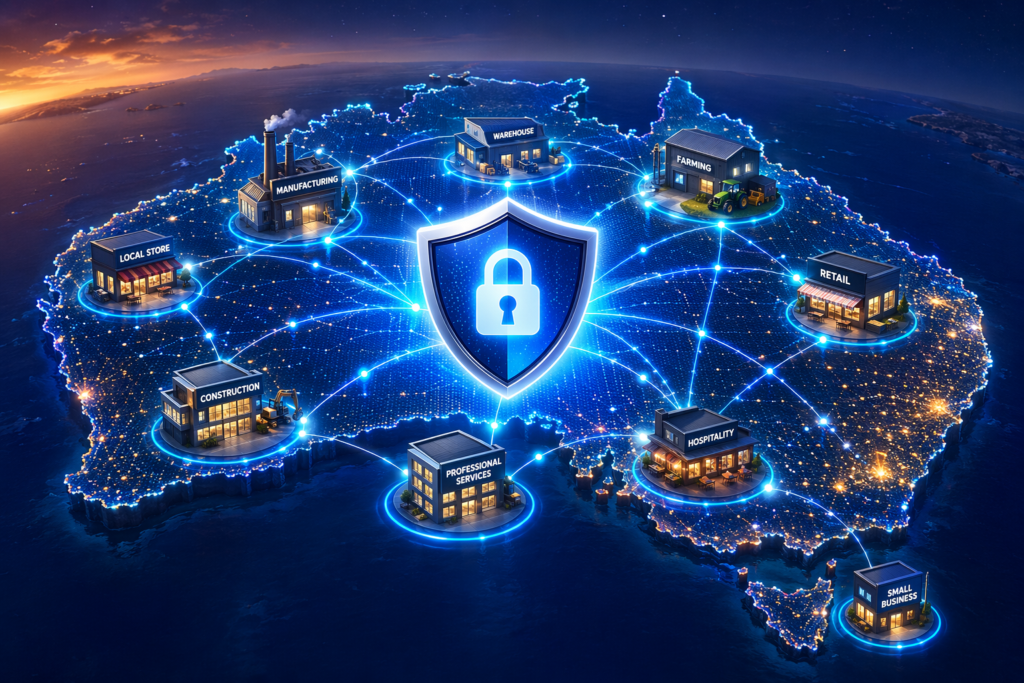
For Australian businesses, managed security services can close security gaps quickly. You get support that matches your security needs, improves your security posture, and reduces the burden on internal security teams. That matters when cyber threats are constant and skilled resources are limited.
There is also a business case. A managed service provider can deliver cost efficiency, stronger response processes, and better business continuity than many companies can achieve alone. The benefits become clearer when you look at monitoring, costs, and expertise in more detail.
24/7 Threat Monitoring and Rapid Incident Response
Cyber threats don’t keep office hours. Continuous monitoring lets your business detect unusual activity on endpoints, cloud systems, and networks at any time—so suspicious logins, malware, or policy violations are flagged early.
With strong security operations, providers can act quickly on alerts. Rapid detection shortens dwell time, limits disruption, and helps contain incidents before they spread. This means less uncertainty during a crisis.
For example, if ransomware strikes after hours, the provider can immediately isolate affected devices, launch incident response steps, and protect critical data—showing why managed services are so effective against today’s cyber threats.
Cost-Effectiveness Compared to In-House Security Teams
Building an in-house security team is costly, requiring hiring, training, 24/7 coverage, and ongoing investment in tools—expenses many businesses can’t justify.
Managed IT services offer similar protection at a lower cost. By partnering with a managed provider, you access specialised expertise, mature processes, and comprehensive coverage—improving efficiency and reducing overhead.
| Area | In-House Security Team | Managed Security Partner |
| Staffing | Full salaries, hiring delays, and limited coverage | Shared expertise, broader availability |
| Tools | Separate licenses and maintenance | Tools included in the service |
| Monitoring | Hard to sustain 24/7 monitoring | 24/7 monitoring standard |
| Budget Impact | High fixed costs | Predictable savings |
Access to Advanced Cybersecurity Expertise and Technologies
Many organisations lack specialised cybersecurity expertise in all areas. A trusted service provider gives you access to security experts experienced with diverse threats, industries, and environments—enabling faster application of best practices.
You also gain stronger threat intelligence, improved vulnerability management, and advanced security tools often unavailable internally. This includes endpoint detection, firewall services, cloud security controls, and event management for greater visibility.
The result: stronger defences, better decisions, and fewer blind spots. Instead of handling every issue alone, you get expert support that aligns protection with your real risks and priorities.
Capabilities of Modern Managed IT Security Services
Today’s managed IT services go beyond basic IT support. They combine threat detection, vulnerability scanning, security controls, and ongoing monitoring into a more complete security model. That gives you clearer visibility across systems, users, endpoints, and cloud environments.
Just as important, modern providers offer compliance support and operational guidance. The right mix of capabilities helps you reduce exposure, respond faster, and support business goals. The next sections break down the most valuable functions you should expect.
Threat Detection, Prevention, and Response
A strong managed security model focuses on detecting, stopping, and responding to threats. Threat detection uses monitoring, intrusion detection, and event management to spot suspicious activity across your IT systems.
These services help identify cyber threats like unauthorised access, abnormal endpoint behaviour, malware, firewall alerts, and risky changes in cloud or network settings. Early detection is crucial—small signals can become major incidents if ignored.
Response turns visibility into protection. Once an issue is confirmed, the provider supports containment, escalation, and recovery. This means fewer surprises, better coordination, and minimised operational impact for your business.
Compliance Management and Regulatory Support (Australia-Focused)
Compliance management in Australia demands a proactive approach, particularly in the face of evolving cyber threats. Security service providers can assist organisations in aligning with local regulations and compliance requirements, ensuring that robust security measures are in place. Utilising managed IT security services, businesses benefit from continuous monitoring and vulnerability management, which are essential for maintaining a strong security posture. This support not only enhances data protection but also fosters business continuity, giving organisations peace of mind amidst an ever-changing regulatory landscape.
Customisable Solutions for Different Business Sizes and Industries
Not every business needs the same security stack. Small companies may require basic monitoring and endpoint protection, while larger organisations often need broader coverage across cloud platforms, offices, and remote users. Effective security solutions should reflect these differences.
A flexible provider adapts to your internal teams, risk profile, and industry needs. Some businesses need help desk coordination and patch management; others require firewall services, cloud security, or financial services support.
Customisation typically includes:
- Various monitoring and response levels
- Industry- or compliance-specific services
- Support that integrates with internal teams
- Scalable options for growth
Choosing the Right Managed IT Security Service Provider
Choosing a managed security service provider is not only about price. You need a partner that understands your security needs, communicates clearly, and can work well with your internal security team or IT staff.
The right service provider should improve resilience without adding confusion. To make a smart decision, focus on evaluation criteria and practical questions that reveal how the provider will support your environment day to day.
Essential Criteria for Evaluating Service Providers
Begin with the essentials: can the provider protect your business’s most critical assets? Seek clear processes, relevant coverage, and a practical approach to risk reduction. Choose a partner that strengthens your security—not one relying on vague promises.
A strong managed services provider should demonstrate alignment with industry best practices. Ask about alert handling, incident escalation, and how reporting aids your decision-making.
Key evaluation points:
- Scope of monitoring, response, and security coverage
- Experience with similar businesses
- Transparency in service levels, reporting, and accountability
- Capacity to enhance your security over time
Questions to Ask Before Engaging a Managed Security Partner
Before signing, ask direct questions. A good provider should clearly explain their model and how their managed security service supports your business. If answers are unclear, take note.
Clarify task ownership: Which security responsibilities remain with your team, and which transfer to the provider? Clear boundaries prevent confusion during incidents.
Key questions to ask:
- Which parts of our security operations will you manage?
- What solutions are included in your service?
- How do you handle after-hours alerts and escalations?
- What monthly reports will we receive?
- How do you work with our internal IT or security teams?
- How do you adjust services as our risks change?
Conclusion
In conclusion, managed IT security services are vital for protecting your data and ensuring business continuity. With 24/7 monitoring, advanced technology, and customised solutions, these services strengthen your cybersecurity and let you focus on core operations. Understand the benefits to make informed decisions that fit your goals. Ready to upgrade your cybersecurity? Contact us for a free consultation and see how we can help secure your business.
Frequently Asked Questions
Are Managed IT Security Services Suitable for Small and Medium Businesses?
Yes. A managed security service is often a strong fit for a small business because it adds expert protection without requiring large internal security teams. It helps improve business continuity, reduce exposure to cyber threats, and gives smaller organisations access to capabilities they may not build alone.
What Types of Cyber Threats Can Managed IT Security Services Prevent?
Managed IT security services help identify and contain a wide range of cyber threats, including suspicious access activity, malware-related behaviour, risky endpoint events, and network security anomalies. Through threat detection, security monitoring, and incident response, they reduce the chance that early warning signs become major disruptions.
How Do I Know If My Company Needs Managed IT Security Services?
If your team struggles with monitoring, patching, visibility, or after-hours response, your company likely has unmet security needs. A managed security service can improve information security, strengthen your security posture, and use vulnerability scanning to uncover gaps before attackers do.
 Hey, Christian Manlapaz here! An SEO content writer for business, automotive, technology, and Australian industries. I’ve been enjoying creating useful content, such as SEO blog posts, for over a year now, and I’m happy that my content helps businesses improve their online visibility and attract organic traffic.