
Essential Skills to Build a Successful Career in Supply Chain Management

Saudi Arabia Vision 2030 has turned the whole region into a massive hub for global trade. Goods are crossing borders every single minute. However, managing all this physical movement is tough.
Professionals in this field face real pressure. Shipments get delayed. Software updates replace old manual habits overnight. Sometimes, keeping up feels impossible. You might be wondering how to actually build a stable, growing career amidst all this chaos.
The answer is simple. You need a highly specific set of skills. In this guide, we will explore the essential skills you need to build a successful supply chain career in Saudi Arabia.
Data Analytics and Demand Forecasting
Guessing does not work in business. If a company orders too much inventory, they waste money on warehouse space. On the other hand, if they order too little, customers walk away.
That is exactly why data analytics matters. You have to read the numbers. By looking at what sold last year, you can predict what people will buy next month. Excel is a great start. Power BI is even better because it helps you see the whole picture clearly. Securing a CPIM certification also proves you know how to handle these exact forecasting systems properly. It shows you rely on facts, not just gut feelings.
Digital Supply Chain and Technology Literacy
Paper trails are dead. Go into any major facility in Riyadh today, and you will not see people holding clipboards. Everything lives on a screen.
Because of this shift, you must understand modern software. Enterprise Resource Planning (ERP) systems rule the industry. SAP and Oracle are everywhere in the market. You also need to know how barcode scanners talk to the main computer.
Strategic Procurement and Sourcing
The real trick in procurement is buying quality materials that actually arrive when promised.
You have to dig deep into vendor reliability. A cheap supplier who delivers late ends up costing the company more money anyway. Plus, operating in the Kingdom means respecting local content laws. You need to buy from regional manufacturers whenever possible. This keeps the national economy moving while securing your own supply lines.
Inventory and Warehouse Management
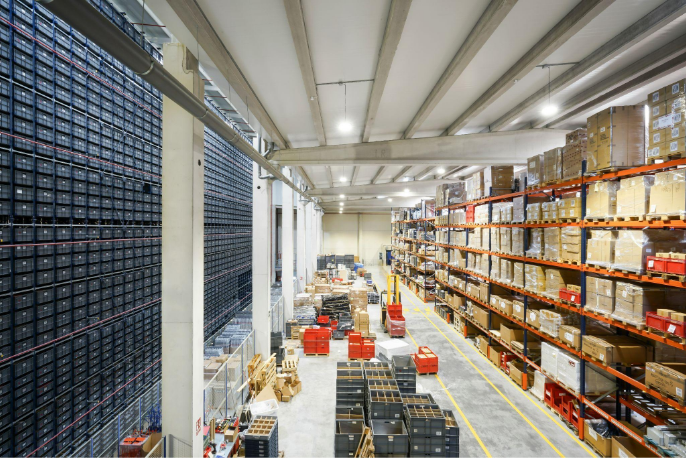
Managing a warehouse takes real effort. You have to design the physical layout so workers find things fast. Tracking stock levels accurately stops materials from expiring or getting lost. Using Just-In-Time (JIT) methods is a great approach. It means you only keep what you absolutely need for the week. Less clutter always equals better efficiency.
Logistics and Transportation Planning
Moving cargo from a port in Asia to a shelf in Jeddah is complicated. You have to mix cargo ships, airplanes, and local trucks perfectly.
The best planners find routes that save time and cut fuel costs. They also know how to handle customs paperwork so containers do not get stuck at the border. Taking targeted supply chain management courses helps you master these exact transport rules. You learn the fastest ways to move products without hitting legal roadblocks.
A Final Word
Building a real career in this field takes focus and adaptability. You have to get comfortable with data, master new software, and build strong relationships with your vendors. You can also hire professional services to bridge the gap between basic knowledge and practical expertise.







Comment