Hybrid and remote schedules removed most of the informal signals managers once picked up by working alongside their teams. You could see who was blocked, who was buried and who had capacity, without asking.
Software can rebuild some of that visibility. Whether it should is a question about purpose rather than features, and the answer determines everything about how a rollout goes.
That decision sits inside a wider shift in how business operations are being rethought around automation and AI. The same executives asking where a process can be automated are asking where capacity is already being lost, and those turn out to be the same question approached from opposite ends.
This guide covers what these platforms do, which capabilities matter, and how to keep employee privacy central rather than retrofitted. Laws vary by state and country, so treat this as background and consult qualified counsel before enabling anything.
Key takeaways
- Decide which question you are answering first. Activity monitoring answers questions about individuals. Work Intelligence answers questions about operations. The same data serves both, but the reporting design determines which one your managers actually do.
- The right amount of data is the minimum that answers your question. Every additional data type adds a privacy obligation, a retention decision and a conversation with your workforce.
- Ask what a platform does not capture. More revealing than asking what it does, and a vendor without a clear exclusions list has not treated privacy as a design constraint.
- Deployment differs by device ownership. Company-owned and employee-owned computers need different controls, and clock-in models on personal devices are a practical necessity rather than a nice-to-have.
- On-premises is a shortlisting decision, not a configuration one. Establish it before demos, because it eliminates a large share of the market immediately.
- Screenshots are a separate decision. Optional on most platforms and the single feature most likely to damage trust.
- Manager training is where rollouts fail. Not the software. Budget for it.
- Employee access to their own records changes the conversation from something done to people into something they can verify.
Two categories that get confused
The market splits in a way the product names obscure.
Activity monitoring answers questions about individuals. Who was at their desk, which applications were open, how long a task took. The unit of analysis is a person.
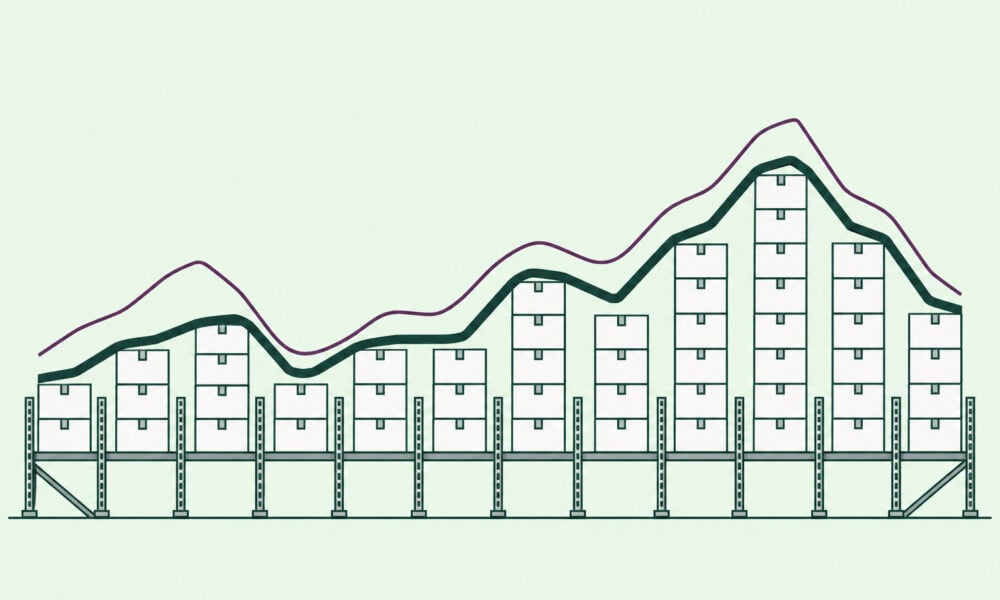
Work Intelligence answers questions about operations. Where capacity is sitting unused, which processes stall and where, how workload distributes across a team, what a project actually costs in hours. The unit of analysis is the work.
Some vendors now separate these in how they structure products rather than leaving it to interpretation. Insightful, for instance, sells Work Intelligence as a named product alongside Workforce Analytics, Workflow Optimization and Workspace Security. Whether a vendor draws that line at all is a useful signal about what its reporting is designed to surface.
Most platforms can do both, because the underlying data is similar. What differs is what the reporting is built to surface and therefore what managers end up doing with it. A tool that surfaces individual activity scores produces managers who watch individuals. A tool that surfaces capacity and process data produces managers who fix processes.
Decide which question you are actually trying to answer before you look at a single demo, because the answer determines which category you should be shopping in.
What the software captures
Depending on configuration, these platforms record time worked, applications and websites used, activity signals, and optionally screenshots. Most offer alerts, reporting, role-based access and integrations with existing business systems.
The important question is not how much a tool can capture. It is how little you can collect while still answering your operational questions. Every additional data type adds a privacy obligation, a retention decision and a conversation with your workforce.
Capabilities worth prioritizing
Start with trend data managers can discuss openly. Application and website usage reporting at individual, team and company level supports workload reviews and coaching conversations. The same data used to score people minute by minute produces resentment and no operational improvement, so the reporting design matters more than the data collection.
Treat screenshots as a separate decision entirely. They are optional on most platforms, and they are the single feature most likely to damage trust. Before enabling them, document why they are needed, who can view them, and how long they are retained. If you cannot answer all three, leave them off.
Confirm operating system coverage before shortlisting. Windows, macOS and Linux support varies, and Linux in particular is frequently missing from platforms otherwise pitched at enterprise buyers. Insightful covers all three and states it does not log what employees type, focusing on work patterns rather than the content of personal communication.
Ask what a platform does not capture. This is a more revealing question than asking what it does. A vendor that cannot give you a clear list of exclusions has not treated privacy as a design constraint, and you will find that out later rather than never.
Check how deployment differs by device ownership. This is the distinction most buyers miss. On company-owned computers, a platform can run continuously, during defined hours, or only when connected to a specific network. On employee-owned computers, a clock-in and clock-out model puts the decision with the employee, which is both a privacy safeguard and a practical necessity where personal devices are in use. Ask which modes are available on each device type, because the controls usually differ.
Look for the governance features. Role-based access, audit logs, retention controls, export options and an employee-facing view. That last one matters disproportionately. A platform where employees can see their own records changes the conversation from something being done to them into something they can verify.
Insightful provides separate manager and employee logins, raw data export, configurable alerts, up to two years of historical data and AI usage reporting that flags unsanctioned tools, which covers most of this list. Its employee login gives team members access to their own activity and time data when managers enable it.
Cloud or on-premises
Cloud deployment suits most small and mid-sized organizations. Faster to configure, with the vendor handling infrastructure and maintenance.
On-premises becomes necessary when data residency requirements, internal security policy or regulated client contracts require records to stay inside your own environment. More control, more maintenance responsibility, and a real IT commitment.
Organizations that need records to remain in their own environment should establish this before shortlisting, because platforms publishing both models, Insightful among them, are a smaller group than the market first suggests. Confirm feature parity across the two, since capabilities frequently differ between deployment types.
On the compliance side, verify certifications rather than accepting a claim. Insightful states it is SOC 2, ISO 27001, HIPAA, GDPR and CSA compliant across both cloud and on-premises deployment, with cloud data held on Google Cloud infrastructure.
Privacy, transparency and the law
Requirements depend on where employees work, what is collected and how it is used.
In California, the California Privacy Rights Act extended privacy obligations to employee data from January 1, 2023. Covered employers must account for that when handling worker personal information.
Labor law applies too. Enforcement positions on covert recording, organizing activity and collective bargaining affect how monitoring policies should be designed. Organizations with unionized employees should raise this in labor discussions rather than treating it as an IT decision.
Outside the United States, the EU AI Act classifies certain AI systems used for employment, worker management and workplace evaluation as high risk. In the United Kingdom, the Information Commissioner’s Office instructs organizations to consult the regulator where a data protection impact assessment identifies a high risk that cannot be mitigated.
Five safeguards travel across jurisdictions: clear notice, a defined and limited purpose, collection of only what is necessary, stated retention periods, and worker access to their own records. Confirm the specific requirements in every location where employees work.
What the outcomes actually look like
The business case is usually made in the abstract. It is more useful in the specific.
Insightful’s published case studies describe an international architecture firm of 500-plus people in Malaysia recovering 23 percent of time by automating project allocation against its existing file naming convention, with an estimated annual saving of $3.24 million. A digital agency increased the share of profitable client work by pricing projects against actual hours. Call center and BPO operations gained visibility across distributed teams where manual reporting had not scaled.
The pattern in all three is the same, and it is worth noting because it is not the pattern most buyers expect. The value came from finding recoverable capacity and correcting how work was allocated, not from identifying underperforming individuals.
Tanya Holmes, Director of Client Services at Botkeeper, described the outcome as making time worked apparent, which clarified which tasks could be redelegated to achieve a more sustainable work-life balance. That is the framing that works, and note where it lands: on workload distribution rather than on individual output.
Sector fit matters more than headline customer counts when reading any vendor’s case studies. Published industry focus here covers healthcare, call center, finance, IT, BPO, insurance and retail, so ask for a reference in your own vertical rather than accepting scale as a proxy for relevance.
How pricing works
Most vendors charge per user per month, with plan limits driven by data history, reporting depth, integrations, security controls and advanced features.
When comparing, calculate cost against your expected number of active users and your required retention period, not against the headline per-seat figure. Then check whether setup, support, integrations, on-premises deployment or minimum seat commitments cost extra.
For a reference point, Insightful publishes plans from $8 per seat per month billed annually, across Workforce Analytics, Workflow Optimization, Combo and Enterprise tiers, with a seven-day free trial requiring no credit card. Benchmark other vendors against a published figure rather than a quote where you can.
A lower monthly price frequently produces a higher total cost. Include the time needed to configure access, train managers, answer employee questions and review the rules as the organization changes.
Integration is the quiet requirement
Data that lives in its own dashboard gets looked at once.
Confirm native integration with your project management, HRIS and communication stack before committing. Insightful publishes more than 50 integrations covering Jira, Asana, ClickUp, BambooHR and GitLab among others, which is the range to benchmark against.
The test is whether operational data reaches the systems where decisions are already being made, rather than requiring someone to open a separate tool and remember to interpret it.
A short buyer’s checklist
- Define two or three operational questions the platform must answer
- Establish whether you are buying activity monitoring or Work Intelligence, since they lead to different management behavior
- Map applicable legal obligations and complete an impact assessment where required
- Choose between cloud and on-premises before requesting demonstrations
- Verify operating system, mobile and virtual desktop coverage
- Review role-based access, retention, export and audit log controls
- Confirm whether employees can see their own records
- Check native integrations against your existing stack
- Pilot with one team for two to four weeks
- Decide which measures you will compare before and after the pilot
- Schedule a recurring review of permissions, features and retention rules

A 90-day rollout plan
Before launch. Publish the policy, required notices and a plain-language explanation of what will and will not be collected. The second half of that sentence carries most of the weight. Stating explicitly what a platform does not capture does more for trust than any amount of reassurance about what it does.
Days 1 to 30. Pilot with one team. Enable only the capabilities needed for the stated purpose, test access controls, and ask employees directly whether the policy is comprehensible.
Days 31 to 60. Train managers to read completed work, trends and workload distribution rather than treating activity signals as a performance score. This is where most rollouts fail, and it is a management training problem rather than a software problem. Refine alerts and shorten retention where you can.
Days 61 to 90. Review pilot results before adding users. Share what changed in response to feedback, document who approved the expansion, and schedule quarterly reviews of settings and permissions.
Frequently asked questions
What is employee monitoring software?
Software that records selected information about how people use work devices and systems, typically covering time worked, applications and websites used, activity signals and optionally screenshots. Reputable platforms report on work patterns rather than the content of personal communication, and the better ones let employees see their own records.
Is employee monitoring legal?
It depends on jurisdiction, what is collected and how it is used, and it is not a question to answer from a blog post. In California, the California Privacy Rights Act extended privacy obligations to employee data from January 1, 2023. The EU AI Act classifies certain systems used for worker management as high risk. In the UK, the ICO instructs organizations to consult the regulator where an impact assessment identifies unmitigated high risk. Take legal advice for every location where your people work.
How much does employee monitoring software cost?
Most vendors charge per user per month, with tiers driven by data history, reporting depth, integrations and security controls. Published entry pricing in this category currently starts around $8 per seat per month on annual billing. Calculate against your expected active users and required retention period rather than the headline figure, then confirm whether setup, support, integrations or on-premises deployment cost extra.
What is the difference between employee monitoring and Work Intelligence?
Employee monitoring reports on individuals: who was at their desk, which applications were open, how long a task took. Work Intelligence reports on operations: where capacity sits unused, which processes stall, how workload distributes, what a project costs in hours. Most platforms collect similar data. What differs is what the reporting surfaces, and therefore what managers do with it.
Can employees see the data collected about them?
On some platforms, yes, usually through a separate employee login that managers enable. It is worth insisting on. Transparency of this kind is both a practical trust measure and increasingly an expectation of privacy regulators.
Do these platforms record keystrokes?
Some do and some explicitly do not, so ask directly and get the answer in writing. Keystroke capture is among the most invasive options available and among the least useful operationally, since it tells you what someone typed rather than what work got done.
How long should monitoring data be retained?
Shorter than most default settings. Retention should be tied to the operational purpose you defined, and if you cannot state why you need a data type after 90 days, you probably do not. Some platforms hold up to two years of history, which is useful for capacity planning and excessive for activity records.
How long does a rollout take?
Plan 90 days to do it properly. A two to four week pilot with one team, then a month of manager training, then a review before expanding. Rushing the middle stage is the most common reason rollouts produce resentment without producing operational improvement.
The question that decides it
Ask what you will do with the answer.
If the answer is to redistribute workload, remove a bottleneck, resource a team properly or price a project accurately, the software has an operational purpose and the rollout has a reasonable chance.
If the answer is to find out who is not working hard enough, no configuration will produce a good outcome, and the data collected will damage more than it reveals.
Read More From Techbullion