
Designer Bag Authentication: What Digital Evidence Can and Cannot Tell a Buyer

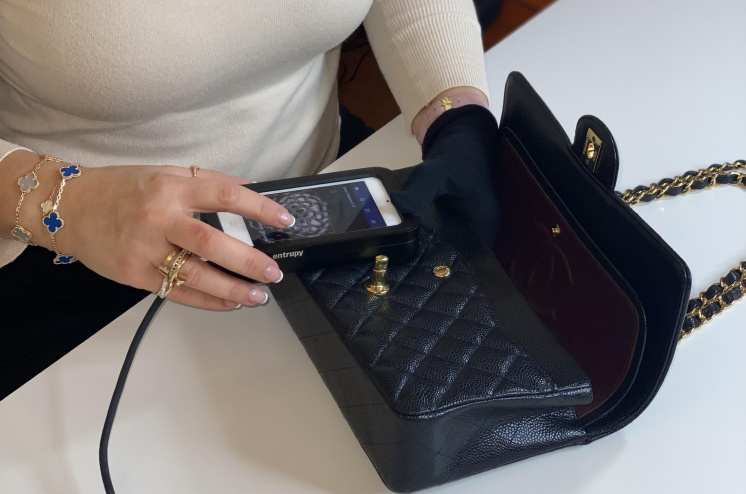
A listing for a pre-owned Chanel Classic Flap arrives with polished photographs, a reference to an authentication service and a reassuring screenshot. It looks well documented. Yet the buyer still needs to know whether those materials refer to the bag being offered, what was examined and what happens if the delivered item does not match the description.
Designer bag authentication is only part of that purchase. Photo evidence and physical inspection answer different questions, while transaction terms govern what the seller has agreed to provide. A Coco Handle in excellent photographs can still have undisclosed wear, just as a worn lambskin surface does not by itself establish that a bag is counterfeit. Keeping those questions separate makes the evidence more useful without asking the buyer to become an authenticator.
Start with the individual item behind the listing
Before studying a certificate or screenshot, connect the evidence to the object for sale: ask which photographs show the current Classic Flap, which details identify that listing and whether the authentication result supplied by the seller refers to the same bag rather than another example of the style. A model name is not enough. Nor is a picture of a similar bag.
Keep the seller’s listing reference with the description and images. Where an identifying detail is shared privately, retain it appropriately rather than reposting it in a public discussion. The practical aim is to avoid mixing information from different listings, especially when you are comparing several bags that share a color and shape.
Do not turn an identifier into a verdict. Asking an experienced provider to assess an item is different from finding a matching sequence online. When a seller presents an isolated number as the whole answer, request an explanation of the assessment it belongs to and the evidence available for the particular purchase.
Ask for photographs that resolve a question
Useful photo evidence begins with a specific uncertainty, such as whether a patch near a corner is a reflection, whether an interior mark was included in the condition description or whether the supplied strap is the same one pictured with the Coco Handle. Request the view that addresses it. More photographs are not automatically better photographs.
Ask for an overall view alongside close-ups so you can locate the feature being discussed. Consistent lighting and clear focus help you compare surface appearance without confusing a change in illumination with a change in condition. For lambskin, a bright reflection across the panel may leave an area hard to interpret. State what remains unclear rather than assuming that it must be damage.
Photographs still leave questions unanswered. They cannot let you handle the bag, operate its closure or inspect an area outside the frame. Their role in your purchase is to reduce identifiable uncertainty and preserve a record of what was shown, not to justify a promise that every important feature has been captured.
Read an authentication service claim at its actual scope
Singapore retailer Luxury Evermore describes hands-on inspection and professional authentication, with a LegitApp partnership adding expert photo review and AI-assisted analysis alongside physical checks. Its site carries pre-owned Chanel styles including Classic Flap, Boy and Coco Handle. These are the retailer’s descriptions of its stock and process, rather than an independent guarantee of a particular outcome.
That description gives a buyer questions to ask about the specific bag. Which part of the process has been completed for this item? What documentation will accompany it? Does the seller distinguish an authenticity assessment from the condition report? Ask for clear answers in ordinary language. You should not have to infer the scope of a service from a logo.
A result screen can be relevant without being complete, particularly when it does not show what was submitted, how it relates to the listing or what the provider says its assessment covers. Read the accompanying explanation. Avoid interpreting an AI reference as proof that technology has removed every limitation of the underlying evidence.
Physical inspection should have a defined purpose
Ask what the seller means by physical inspection. In the buying conversation, it is reasonable to separate a specialist authenticity assessment from checks on practical condition, such as whether a closure works, whether the lining has disclosed marks and which accessories accompany the bag. Those tasks may occur together, but they answer different questions.
A Classic Flap that is genuinely made by Chanel may still be unsuitable for your needs because of its condition. Equally, attractive surface photographs do not establish authenticity. Keeping a separate note of each concern helps you avoid accepting a broad reassurance in place of an answer about the exact defect, component or record you asked about.
When you can inspect a bag in person, use the opportunity to assess fit and visible condition, while leaving specialist authentication claims to qualified assessment rather than a checklist copied from social media. Try the closure with permission. Examine the disclosed areas. Stop short of treating your own successful inspection as certification.
Condition and care belong in a separate evidence file
Chanel’s official bag care instructions advise against overfilling and prolonged contact between contrasting dark and light colors. They also recommend avoiding extended exposure to light and moisture. Those instructions help a buyer think about handling a lambskin or caviar bag, but the care page is not an authentication method for a pre-owned item.
Keep that distinction when discussing marks. Ask the seller to describe what is visible on the actual bag and disclose any known restoration or treatment. A photograph may show an area that deserves clarification, but the fact that a type of wear is plausible does not prove how it occurred or who made the object.
Care decisions come after the item’s identity and condition have been assessed. Do not buy a bag with unresolved questions on the assumption that cleaning will settle them. Applying a product could change the surface you wanted to examine, and a cosmetic improvement would still not answer an authenticity concern. Preserve the record before seeking appropriate advice.
A screenshot does not replace purchase terms
Even a detailed assessment leaves a separate commercial question: what has the seller agreed to do if the item delivered is not the item described? Ask about the applicable process before paying, including how to raise a concern, what documentation is requested and which return conditions apply to your purchase. Get the answer in writing. Do not invent it from an authentication badge.
When comparing a Coco Handle with another listing, keep condition descriptions, authentication information and purchase terms next to their respective items. A lower price may accompany a different condition or a different set of included accessories. It does not explain the difference by itself, and an impressive evidence packet cannot compensate for terms you have not read.
Luxury Evermore’s description of its inspection process is a starting point for these questions. Buyers still need the information relevant to their chosen piece and delivery destination. Neither a mention of AI nor a physical inspection claim states every contractual detail. Resolve those details through the seller’s current terms and direct answers.
Make the decision from connected records
Before committing, read the listing, the condition description, the authentication information and the seller’s written answers together, checking that they refer to the same bag and that no unresolved question has disappeared simply because you moved from a product page to a message thread. Look for agreement across the records. Treat unexplained gaps as questions to resolve.
After delivery, compare the received piece with that record before carrying it or attempting care. Note discrepancies in clear photographs and contact the seller through the agreed channel. This preserves the distinction between what was represented and what arrived; it does not require you to diagnose a technical authenticity issue yourself.
The most helpful designer bag authentication evidence is connected to the purchase it is meant to support. Digital review can contribute to that record, physical examination can answer other questions, and transaction terms define the next steps when something is wrong. Buy only when you understand how those parts relate to your actual bag, rather than the reassurance conveyed by a screen.







Comment