
Design and Construction Procedures to Prevent Electrical Crosstalk Interference

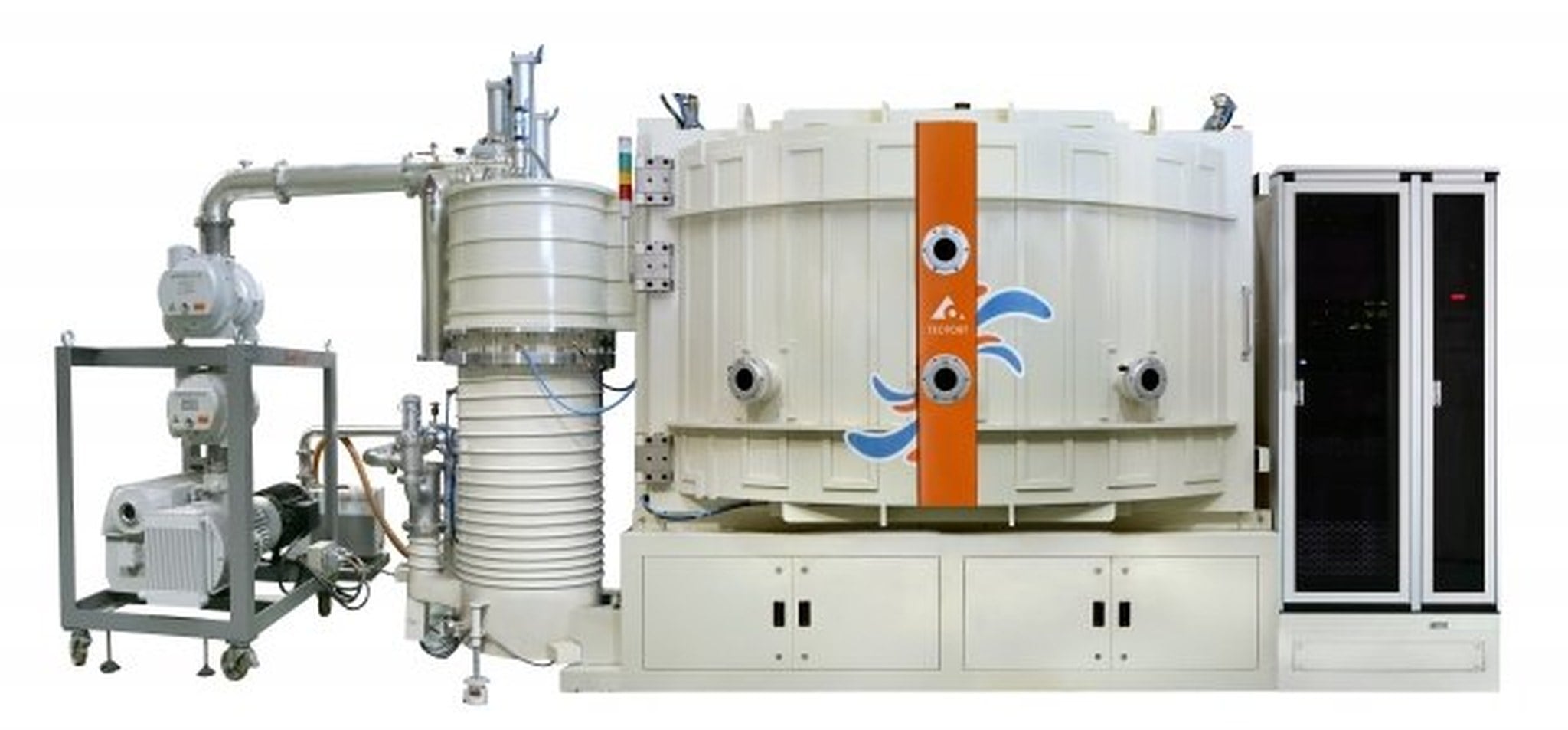
Electrical noise remains a silent potential saboteur of process control and signal output functions residing in a coating system. Noise interference subtly manifests through fluctuating deposition rates, dropped serial commands, or erratic thickness measurements, making intelligent hardware and electrical component design a major system design requirement.
For optics manufacturers in the aerospace and defense sectors, meticulous wiring layout forms the core of effective electrical interference abatement.
Origins of Electrical Noise in Deposition Systems
The primary sources of electrical interference include high-voltage Electron beam supplies (often operating at 10 kV or higher), rapid-switching sputtering units, plasma and ion source supplies with dynamic plasma impedances, phase-angle heater controllers, variable frequency drives on roughing pumps, and inductive kickback from solenoid coils. Proximity to control and sensing electronics must be avoided.
These noise generators couple into neighboring wiring across four main paths:
- Capacitive coupling. High voltage gradients inducing unwanted charge into nearby conductors.
- Inductive coupling. Magnetic fields from heavy current changes inducing voltage spikes.
- Conducted paths. Direct transmission through shared power channels or common ground pathways.
- Radiated paths. Electromagnetic energy emitted through unshielded space.
Operational interference can originate from a combination of all four paths.
Physical Layout and Cabinet Separation Best Practices
Physical distance is the most cost-effective noise mitigation tactic available in any integrated system. Providing proper separation during initial layout design incurs virtually zero cost, whereas retrofitting an ill-designed system demands substantial rework and expenditure.
To optimize cabinet arrangement, position the heavy high-voltage and high-current supply and control components in the lower section of the enclosure.
Always use dedicated vertical wireways to isolate power feeds from low-level signals entirely, maintaining at least twelve inches of clearance between power lines and analog pathways.
Group chamber feedthroughs so power penetrations occupy the opposite side from sensor ports. Furthermore, keep quartz crystal monitor cables and optical sensor fibers as short as physical geometry permits.
Poorly routed internal cabling signals a need for a professional equipment overhaul, making layout an ongoing maintenance consideration rather than a one-time build task.
Grounding, Shielding, and Signal Integrity Protocols
While physical separation mitigates spatial proximity issues, proper grounding and shielding can complete the isolation from remaining interference paths. Grounding architecture should rely on a single-point star topology. Multiple earth paths running at varying potentials create ground loops that generate circulating currents, distorting sensitive analog feedback circuits.
To maximize signal integrity across all pathways, these core practices will be implemented in the design and hardware layout:
- Single-Point Shield Termination. Terminate analog cable shields at a single point, usually at the controller end, to prevent closed-loop current generation.
- Twisted Shielded Pairs. Use twisted shielded pairs for thermocouples, pressure transducers, and standard 4 to 20 mA signal loops.
- Current-Loop Signaling. Prefer current loops over voltage signals for extended cabling runs because current pathways resist induced noise far more effectively.
- Differential Serial Links. Deploy RS-422 or RS-485 differential communication links instead of RS-232 whenever physical distance exceeds several meters.
- Domain Isolation: Install opto-isolators or isolation amplifiers directly along the boundary separating power and control domains.
- Transient Suppression. Fit snubbers or flyback diodes across inductive relay and solenoid coils to suppress high-voltage spikes.
- Fiber Optics. Utilize fiber optic links for high-noise interfaces, as optical glass cannot couple electromagnetic energy.
Equipping suspect cabling with ferrite cores serves as a legitimate engineering remedy rather than a temporary workaround, while installing dedicated line filters on the primary control power feed yields significant stability gains. Reliable physical wiring safeguards automated assets, ensuring that software logging and process control receive accurate inputs.
Engineering Noise Immunity into System Architecture
Addressing electromagnetic noise after commissioning a high-throughput vacuum coating production line is exceptionally costly. Proactively engineering interference mitigation during the initial architecture phase saves considerable resources. A well-designed control architecture incorporates comprehensive cable schedules, clear harness labeling, and designated spare shielded pairs for future instrumentation.
Integrating noise immunity directly into custom vacuum coating control racks ensures that every system is tailored to specific process demands, chamber volumes, and diagnostic suites.
For operational platforms experiencing signal drift, legacy control racks can be upgraded using modern plug-and-play automation hardware and disciplined wiring schemes. Rebuilding an existing electrical cabinet frequently delivers greater operational stability than purchasing an entirely new power supply.
Tecport Designs Provide Built in Noise Immunity
Experience with a multitude of systems design and delivered by Tecport Optics for critical and reliable optical production applications is evidence of successful engineering.
If your deposition system is producing readings you no longer trust, the wiring deserves a look before the process recipe does. Connect with the Tecport Optics team about a control system review, retrofit, or custom-built platform engineered for accurate, repeatable operation.






Comment