
Deploying AMR Automation: Best Practices for Human-Robot Collaboration

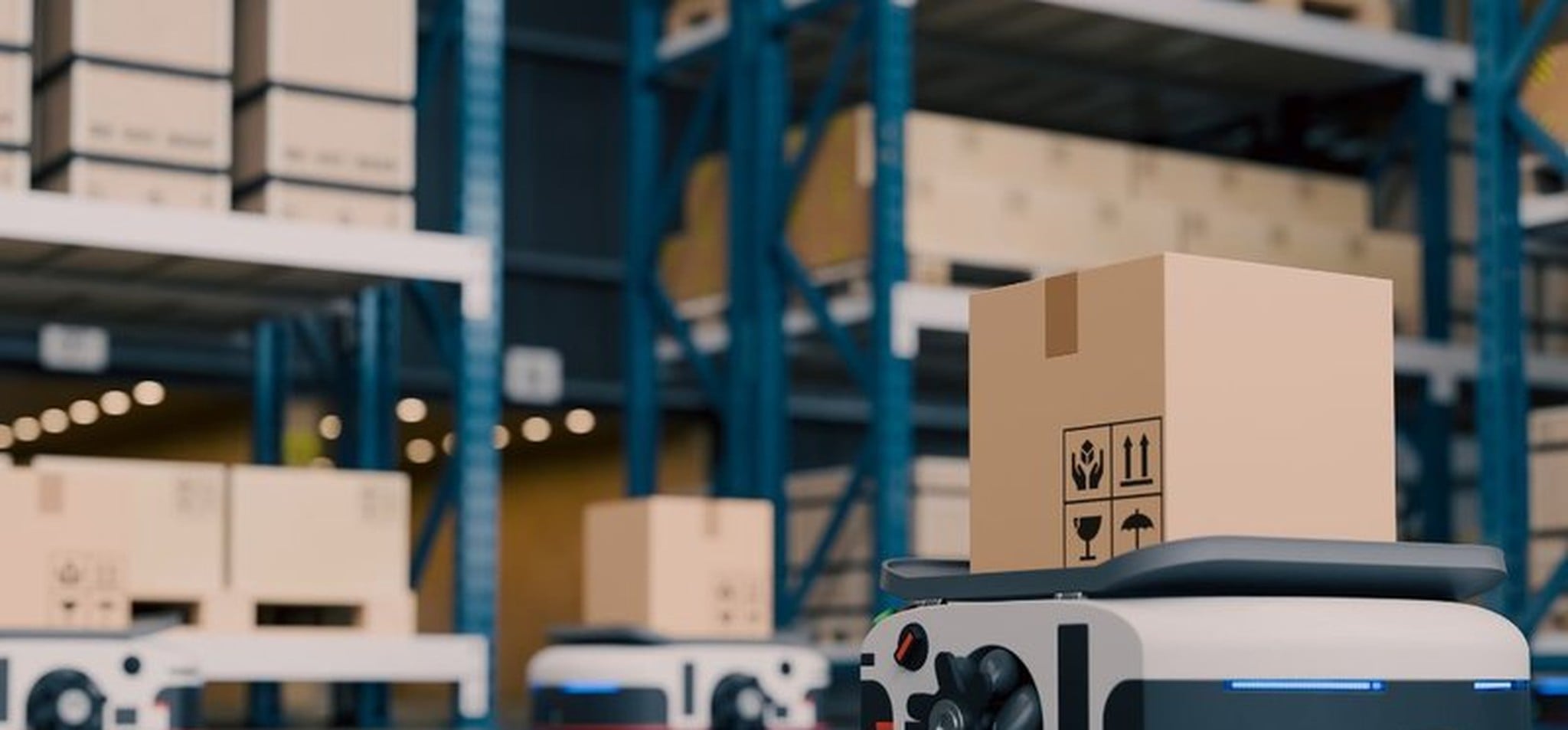
Labor shortages push you toward autonomous mobile robots (AMRs), and AMR automation now sits on most warehouse roadmaps. Robots alone never guarantee results, however, because your people ultimately decide whether a deployment thrives or stalls. Strong programs treat robots as teammates that remove walking, lifting, and repetitive travel from every shift.
Warehouse leaders who skip planning often face confused associates, stalled pilots, and robots parked in corners. Teams that plan carefully, on the other hand, see faster picking, safer aisles, and more engaged staff. Here, you will find a practical roadmap for pilots, safety, training, integration, and scaling across your network.
Scoping an AMR Automation Pilot That Wins Buy-In
A focused pilot lets you prove value quickly without disrupting the operations your customers depend on daily. Start with one workflow, such as goods-to-person picking or pallet transport between receiving and staging zones. Clear boundaries help you measure results cleanly and explain the project to associates without overwhelming them.
Pick a pilot zone with measurable pain, such as long travel distances or frequent congestion at pick faces. Also, define success upfront with targets for picks per hour, travel reduction, and associate satisfaction scores. Change management begins before any robot arrives, since rumors about job losses spread faster than facts. Hold open sessions where associates see the robots, ask questions, and suggest routes that match real workflows. When people help design the pilot, they defend it instead of resisting it during the first busy week.
Your AMR automation pilot should also connect to broader automated material handling systems you may add later. Planning for that future now prevents costly rework on floor layouts, charging stations, and network coverage. Then, set a firm review date so leadership decides on expansion using data rather than enthusiasm.
How Do You Deploy AMR Automation for Strong Human-Robot Collaboration?
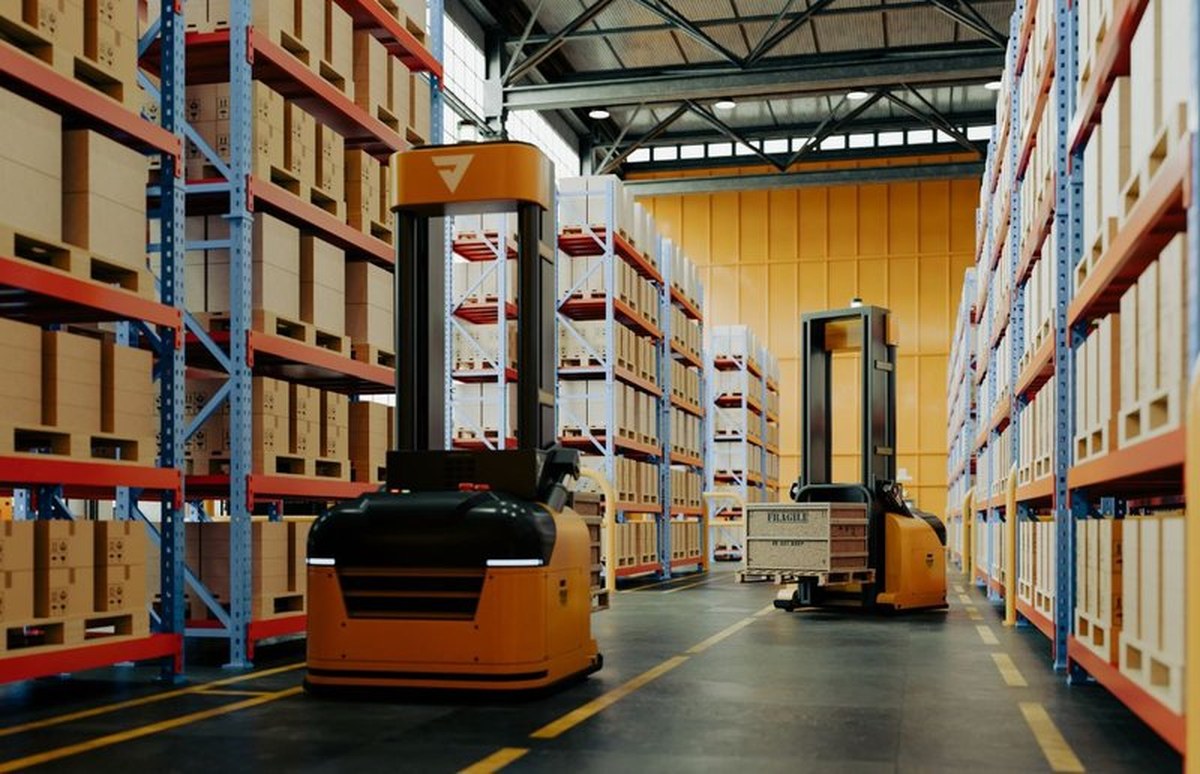
You deploy AMR automation well by piloting one workflow, defining safety zones, and training associates before launch. Next, you integrate robots with your warehouse management system (WMS) so tasks flow without manual handoffs. Finally, you track key performance indicators (KPIs) and scale gradually once people and robots work well together.
Designing Safety Zones and Training Your People
Safety drives trust, and trust determines whether associates welcome robots or quietly work around them each shift. Industry standards from the American National Standards Institute (ANSI) and Robotic Industries Association (RIA) guide mobile robot safety. Use those standards as your baseline, then adapt speed limits, zones, and signage to your specific building.
First, mark shared aisles, robot-only lanes, and pedestrian crossings with floor tape, signage, and clear speed limits. Next, train every associate on robot behavior, right-of-way rules, emergency stops, and how to report near misses.
Then, create new roles such as robot fleet coordinator, exception handler, and maintenance technician for career growth. Afterward, review AMR automation incident data weekly, then refine zones before small issues grow into serious injuries.
Training also varies by product type, since fragile or sensitive inventory demands stricter handling protocols. Our insights on handling high-value goods show how automation protects expensive products from loss and damage.
Meanwhile, recognize associates who master new roles, because visible career paths reduce turnover and build pride. Your people become robot experts, not robot replacements, when you invest in their skills from day one. As a result, safety performance improves and the entire team starts suggesting new ways to use robots.
Integrating Your WMS and Scaling AMR Automation With Data
Robots perform only as well as the data guiding them, so WMS integration deserves early attention. Your WMS should release tasks, confirm picks, and update inventory in real time as robots complete missions. Explore how integrated distribution software connects orders, inventory, and automation into one dependable view.
Once integration works, focus on KPIs that reflect both human and robot contributions to daily output. Track units per labor hour, robot utilization, order accuracy, dock-to-stock time, and associate travel distance. Also, survey your team monthly, since morale data often reveals friction before productivity numbers drop.
When results hold for several months, expand AMR automation to adjacent workflows rather than every zone at once. Inbound areas make a natural next step, especially if you receive heavy volumes by rail or container. For example, our intermodal rail efficiency guide explains how faster dock turns support automated putaway downstream. Scaling in waves lets you capture lessons, update training, and keep people confident through each expansion. Over time, your robots and associates operate as one coordinated team that adapts as demand shifts.
Build a People-First Program With Our Team
Robots will keep reshaping warehouse work, and the companies that center people will capture the biggest gains. Careful pilots, strong safety zones, and thoughtful training turn skeptical associates into confident robot partners. Since 1958, our family- and veteran-owned team has blended new technology with hands-on logistics expertise.
Our ISO 9001-certified operations give you a proven partner for testing automation without risking service levels. Whether you move consumer products, electronics, or industrial parts, we design support around your real workflows. Connect with our team to plan an AMR automation rollout your people will embrace.







Comment