Tooth loss changes more than the way your smile looks. It might affect how you chew, speak, bite, and clean your teeth. It might also place extra pressure on nearby teeth.
If you are researching Dental Implants Brisbane, you are likely trying to understand whether implants help with both daily function and tooth appearance. The answer depends on your oral health, bone support, gum condition, bite, and treatment goals.
Dental implants are one option for replacing missing teeth. They are designed to support a crown, bridge, or full-arch replacement of teeth. Your dentist will assess your mouth first before explaining whether implant treatment suits your case.
This guide explains how dental implants support function and appearance after tooth loss, what treatment involves, and what you should know before making a decision.
How Do Dental Implants Support Function and Appearance?
Dental implants replace missing tooth roots with small posts placed into the jawbone. Once healing has taken place, they support replacement teeth.
They might help with chewing support, bite stability, speech comfort, tooth gap replacement, support for nearby teeth, facial and lip support in some cases, natural-looking tooth shape, size, and colour planning
Dental implants do not suit everyone. A dentist needs to check your gums, bone, bite, health history, and oral hygiene before recommending treatment.
What Happens After You Lose a Tooth?
When a tooth is lost, the gap does not affect one area only. The nearby teeth, gums, jawbone, and bite all adjust over time.
You might notice:
- Food trapping around the gap
- Changes in chewing
- Speech changes, mainly with front teeth
- Nearby teeth moving into the space
- More pressure on remaining teeth
- Gum and bone changes in the missing tooth area
- Changes in facial support when several teeth are missing
Not every missing tooth needs the same treatment. Some patients need a single implant. Some need a bridge. Others need dentures or full-arch implant treatment. Your dentist will explain the right option after an assessment.
What Is a Dental Implant?
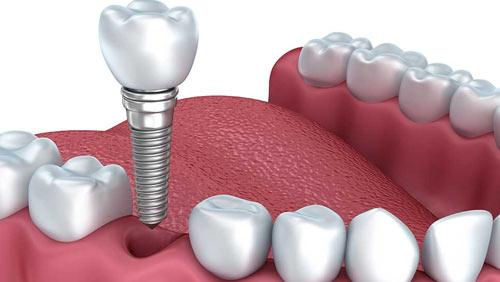
A dental implant is a small post placed into the jawbone. It acts as an artificial tooth root. After healing, it supports a replacement tooth or teeth.
A dental implant usually has three main parts:
- Implant post: placed into the jawbone
- Abutment: connects the implant to the replacement tooth
- Crown, bridge, or full-arch teeth: the visible replacement teeth
When patients search for Dental Implants Brisbane, they often think only about the visible tooth. The planning goes deeper than this. Your dentist also needs to consider bone levels, gum shape, bite pressure, tooth colour, smile line, and long-term cleaning.
How Dental Implants Support Appearance
Dental implants are often discussed for appearance because they replace visible missing teeth. Good planning focuses on tooth shape, size, shade, gum position, and how the replacement tooth fits your smile.
A dental implant crown is designed to blend with nearby teeth where possible. Your dentist will consider tooth colour, tooth shape, tooth length, gumline, bite position, smile line, and spacing.
The goal is not to create an artificial look. The aim is to replace the missing tooth in a way that suits your mouth, bite, and facial features.
For patients comparing options under Cosmetic Dentist Brisbane, dental implants might form part of a wider plan. This might include crowns, veneers, whitening, or replacing old dental work, depending on clinical suitability.
Do Dental Implants Help with Facial Support?
Teeth and jawbone help support the lips and lower face. When several teeth are missing, some people notice changes in facial shape over time.
Dental implants might help support replacement teeth in a stable position. This might improve support for the lips and cheeks in some cases, especially when multiple teeth are replaced.
Results vary. Facial changes depend on:
- Number of missing teeth
- How long teeth have been missing
- Bone loss
- Denture history
- Jaw shape
- Bite position
- Gum levels
Your dentist will assess this during treatment planning.
Dental Implants and Tooth Colour Planning
If the missing tooth is visible when you smile, tooth colour matters. The implant crown needs to sit naturally besides nearby teeth.
Some patients choose Teeth Whitening Brisbane treatment before a front implant crown is made. This is because implant crowns do not whiten like natural teeth after they are placed.
If you are thinking about whitening, speak with your dentist early. Your dentist might suggest whitening first, then matching the final implant crown to your new tooth shade.