
Cotton Picker Belts: Common Failure Points and What to Replace First

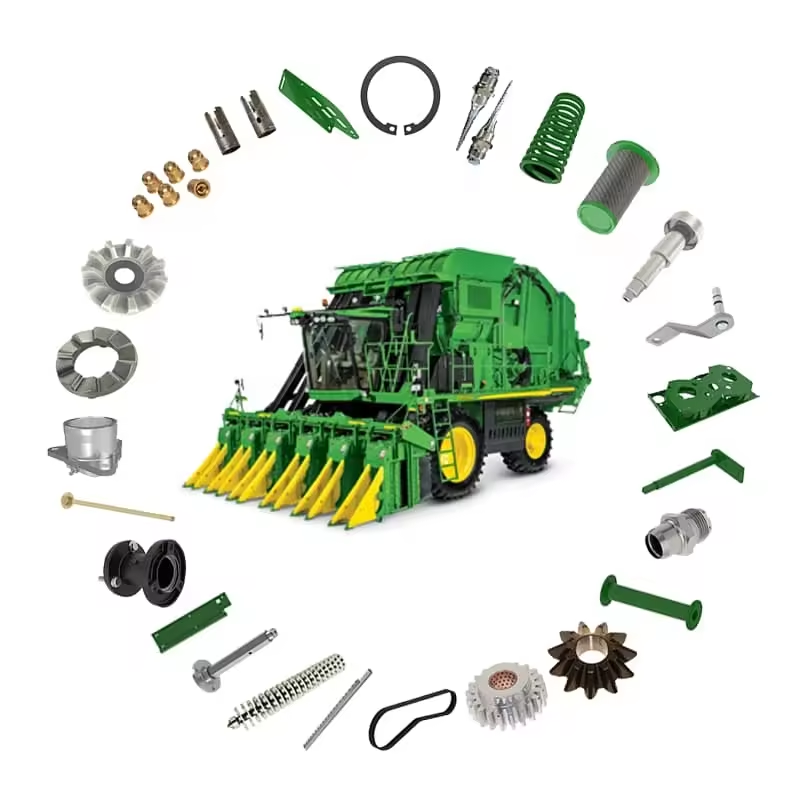
Cotton harvest is demanding on every moving component in your picker, but belts take some of the hardest punishment. They transfer power, maintain timing, keep cotton moving, and help the machine operate smoothly through long days in dusty, abrasive field conditions. When a cotton picker belt starts to fail, the symptoms can look like many other problems: poor feeding, uneven row unit performance, slippage, vibration, noise, or reduced harvesting efficiency. Knowing what fails first and what to inspect before the season starts can prevent costly downtime when conditions are right and every hour matters.
This guide walks through the most common cotton picker belt failure points, what causes them, and how to prioritize replacement. It also explains where the cotton picker belt replacement process fits into preventive maintenance and why choosing the right belt matters, especially when evaluating John Deere replacement cotton picker belts.
Why Cotton Picker Belts Fail
Cotton picker belts are exposed to heat, dust, crop residue, tension changes, pulley wear, and constant flexing. Over time, those conditions break down the belt material and reduce its ability to grip, track, and transfer power.
The most common causes of belt failure include:
- Incorrect belt tension
- Worn or misaligned pulleys
- Cracked or hardened rubber
- Crop debris buildup
- Heat damage
- Oil or chemical contamination
- Age-related material fatigue
- Overloading from worn bearings or stuck components
A belt rarely fails for no reason. In many cases, the belt is the visible symptom of another problem. Replacing the belt without checking pulleys, idlers, bearings, and tensioners can lead to another failure soon after installation.
Failure Point 1: Cracking and Dry Rot
Cracking is one of the easiest belt problems to spot. Small surface cracks may appear harmless, but they usually indicate the rubber has started to harden and lose flexibility. Once a belt becomes stiff, it can no longer bend smoothly around pulleys. That creates stress, heat, and eventual separation.
Cracking is most common when belts sit through long off-seasons, especially in hot or dry storage environments. It can also happen when belts are exposed to sunlight, chemicals, or improper cleaning products.
Replace cracked belts when:
- Cracks appear across the belt ribs or sidewalls
- The belt feels stiff instead of flexible
- Pieces of rubber are missing
- The belt squeals or slips under load
- Cracks continue to grow after short use
A belt with visible cracking should be moved high on your replacement list before harvest begins.
Failure Point 2: Glazing and Slippage
A glazed belt has a shiny, hardened surface that reduces grip. Instead of transferring power efficiently, the belt slips against the pulley. This can cause heat buildup, noise, reduced performance, and faster wear on both the belt and pulley.
Glazing often happens when a belt is too loose, overloaded, or running on worn pulley surfaces. It can also result from excessive heat caused by a failing bearing or tensioner.
Warning signs include:
- Squealing during startup or under load
- Shiny belt surfaces
- Burning rubber smell
- Slow or inconsistent component movement
- Heat around the belt path
When glazing is present, do not replace only the belt until you inspect the pulley system. A new belt installed on worn or contaminated pulleys may glaze quickly.
Failure Point 3: Frayed Edges
Frayed belt edges usually point to tracking or alignment problems. A belt should run cleanly in its intended path. When it rubs against guards, pulley flanges, or nearby components, the edges begin to wear away.
Common causes of fraying include:
- Misaligned pulleys
- Bent brackets
- Worn idlers
- Damaged tensioners
- Incorrect belt size
- Debris trapped in the belt path
Frayed edges can quickly lead to belt failure because the belt loses structural integrity. If cords become exposed, replacement should not be delayed. However, the alignment issue must be corrected first, or the new belt will fail the same way.
Failure Point 4: Belt Stretch and Loss of Tension
Over time, belts can stretch and lose proper tension. A loose belt may still look usable, but it can slip, whip, vibrate, or fail to keep components moving at the correct speed.
Loss of tension is especially important in cotton pickers because consistent motion is critical for feeding, picking, and material handling. Even minor slippage can affect field performance.
Signs of tension problems include:
- Belt flutter while running
- Squealing or chirping sounds
- Inconsistent machine performance
- Excessive dust around pulleys
- Belt riding too low or too high
- Frequent need for readjustment
If a belt requires repeated tension adjustment, replacement is usually the better choice. Also, inspect the tensioner spring, adjustment mechanism, and idler condition.
Failure Point 5: Cord Separation
Internal cord separation is more serious than surface cracking. Belts rely on internal reinforcement to maintain strength and shape. When cords separate, the belt may develop lumps, soft spots, uneven tracking, or vibration.
This type of failure is often caused by over-tensioning, shock loads, pulley damage, or operating with seized components. It may not always be obvious during a quick visual inspection, so feel the belt by hand when the machine is off and properly secured.
Replace the belt immediately if you notice:
- Raised sections
- Soft or weak spots
- Uneven belt thickness
- Exposed cords
- Vibration that follows belt rotation
Cord separation is not repairable. Once the belt structure is compromised, failure is only a matter of time.
Failure Point 6: Contamination From Oil, Grease, or Chemicals
Cotton pickers operate around lubricants, hydraulic systems, crop treatments, and cleaning products. If oil or chemicals contact a belt, they can soften the rubber, reduce grip, and accelerate breakdown.
Contaminated belts may feel slick, swollen, sticky, or unusually soft. Even after cleaning, the material may remain damaged. A contaminated belt should usually be replaced, especially if it drives a critical system.
Before replacement, identify the source of contamination. Check for hydraulic leaks, over-greased bearings, dripping hoses, and residue from cleaning chemicals.
What to Replace First
When preparing for harvest, prioritize belts based on condition, machine function, and likelihood of downtime. Not every belt has the same consequence if it fails. The best strategy is to replace the highest-risk belts first, then address supporting components.
Start with belts that show:
- Cracking, glazing, fraying, or exposed cords
- Repeated slipping or tension loss
- Signs of oil or chemical damage
- Vibration, noise, or heat during operation
- A history of failure in previous seasons
Next, inspect and replace related wear items:
- Idler pulleys
- Tensioners
- Bearings
- Pulley guards
- Springs and adjustment hardware
- Worn or grooved pulleys
A strong cotton picker belt replacement process should include inspection, diagnosis, proper belt selection, correct installation, tension adjustment, and a short test run before returning to the field.
Choosing the Right Replacement Belt
Replacement quality matters. A belt that does not match the correct size, profile, strength, and application can create problems even if it fits. Cotton picker belts must handle heavy loads, dust, heat, and constant motion.
When comparing options, consider:
- Correct model compatibility
- Belt width and length
- Rib or profile design
- Heat and abrasion resistance
- Manufacturer specifications
- Field-proven durability
Many growers choose John Deere replacement cotton picker belts because they are built to match the equipment specifications and operating demands of John Deere cotton pickers. Whether using original equipment parts or high-quality aftermarket options, the key is to avoid low-grade belts that may save a little upfront but fail during harvest.
Installation Mistakes That Shorten Belt Life
Even the right belt can fail early if installed incorrectly. Proper installation protects the belt and the components around it.
Avoid these common mistakes:
- Forcing the belt over pulleys
- Running the belt with improper tension
- Ignoring pulley alignment
- Reusing damaged idlers
- Installing over dirty or rusty pulley surfaces
- Skipping the post-installation test run
- Mixing old and new components in a worn drive system
After installation, run the machine briefly and observe belt tracking. Shut down and recheck tension after the belt has seated. This simple step can prevent early slippage and uneven wear.
FAQ
How often should cotton picker belts be replaced?
There is no single replacement interval for every machine. Belts should be inspected before each season and during harvest. Replace them when they show cracking, glazing, fraying, tension loss, contamination, or structural damage.
Can I keep running a belt with small cracks?
Small cracks may not cause immediate failure, but they are a warning sign. If the belt is stiff, deeply cracked, or used on a critical drive, replace it before harvest to reduce downtime risk.
Why does my new belt keep slipping?
A new belt may slip if tension is incorrect, pulleys are worn, alignment is off, or another component is creating excessive load. Inspect the entire belt path before assuming the belt is defective.
Should I replace pulleys when replacing belts?
Not always, but pulleys should be inspected every time. Replace pulleys that are grooved, rusted, bent, misaligned, or polished smooth. A worn pulley can damage a new belt quickly.
Are aftermarket cotton picker belts reliable?
Some aftermarket belts are reliable, but quality varies. Choose belts that meet the machine’s specifications and are designed for cotton picker conditions. Avoid generic belts that only match by length.
What is the first sign of belt failure?
Noise, slippage, visible cracking, frayed edges, heat, and poor machine performance are common early signs. Any of these should trigger a closer inspection.
Final Pre-Harvest Belt Inspection Checklist
Before harvest begins, walk through the machine carefully and inspect each belt system. A few minutes of preventive maintenance can save hours of downtime later.
Use this checklist:
- Inspect all belts for cracks, fraying, glazing, and contamination
- Check belt tension according to equipment specifications
- Spin idlers and pulleys by hand when safe to do so
- Look for wobble, rough bearings, or noise
- Verify that belts track correctly
- Clean debris from belt paths and guards
- Replace questionable belts before peak harvest pressure
- Keep key replacement belts on hand
Cotton picker belts are small compared to the size and cost of the machine, but they play a major role in harvest productivity. Replacing worn belts early, correcting the underlying cause of wear, and using the right replacement parts can help keep your picker moving when timing matters most. A planned approach to inspection and replacement is always better than reacting to a broken belt in the field.






Comment