
Corporate Travel Management Made Simple: Tools, Trends & Benefits

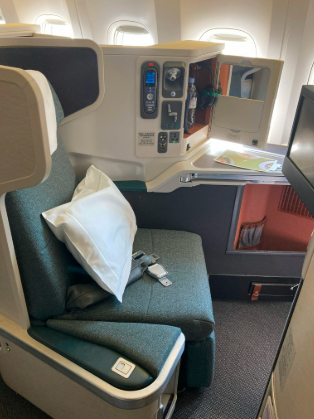
In today’s global business environment, I see more organizations relying on efficient travel systems to support international operations. Business travel management has become much more than booking flights and hotels. It is now a strategic function that directly affects cost control, employee performance, and overall operational efficiency.
From my analysis of corporate mobility trends, many companies that once depended on manual booking processes are now moving toward fully digital travel systems. This shift is not only about convenience. It is driven by the growing need for transparency, scalability, and smarter financial control across global operations.
From Manual Processes to Intelligent Travel Systems
In the past, corporate travel planning was often fragmented. Employees booked trips on their own or worked through traditional travel agencies, which frequently created inconsistent spending, policy violations, and poor visibility for finance teams.
Today, modern business travel management systems have transformed that process. Centralized platforms now combine bookings, approval workflows, expense tracking, and policy enforcement into one connected system.
I’ve seen how this shift reduces administrative work while giving companies stronger control over travel budgets and compliance.
Why Business Travel Management Matters More Than Ever
As companies expand internationally, employees travel more often for meetings, conferences, sales opportunities, and client relationships. Without organized systems, managing this level of mobility becomes expensive and inefficient.
Strong business travel management helps organizations balance cost efficiency with traveler comfort. It also allows businesses to optimize routes, reduce unnecessary expenses, and improve traveler safety.
Most importantly, it creates access to data-driven insights that help companies improve travel strategies over time.
The Role of Technology in Modern Travel Systems
Technology is now at the center of modern travel management. Digital platforms increasingly use automation, artificial intelligence, and real-time analytics to streamline every stage of the travel process.
These systems can recommend flights that match company policy, flag out-of-policy bookings, and generate expense reports automatically. This level of automation saves time and reduces human error.
From what I’ve seen, companies also gain clearer visibility into travel spending, which supports better forecasting and budgeting.
Improving Employee Experience Through Smarter Travel Policies
Employee satisfaction has become a major priority in corporate travel planning. Long-haul or poorly managed travel can reduce energy, focus, and productivity.
Well-designed business travel management systems improve the traveler experience by offering better flight options, efficient layovers, clearer policies, and smoother approval processes.
I believe employees who travel with less stress perform better during business trips and recover faster afterward.
Cost Optimization Without Compromising Quality
One of the main goals of travel management is reducing costs without lowering travel quality. Companies often achieve this by creating clear policies that define when economy, premium economy, or business class should be used.
Instead of spending randomly, organizations use structured guidelines to align travel decisions with business priorities.
This ensures that high-value trips receive the right level of investment while routine travel remains cost-effective.
Over time, I’ve seen this balanced approach create meaningful savings without hurting employee satisfaction.
Data Analytics and Travel Performance Insights
Data has become one of the most valuable assets in modern travel programs. Companies now monitor booking behavior, travel frequency, route performance, and spending trends to improve future decisions.
With advanced business travel management tools, organizations can identify patterns such as frequently used routes, expensive destinations, and inefficient booking habits.
These insights help businesses refine travel policies and negotiate better rates with airlines, hotels, and other service providers. Ultimately, that leads to stronger return on investment.
Global Compliance and Policy Standardization
For multinational organizations, one of the biggest challenges is maintaining consistent travel policies across regions. Differences in pricing, currencies, and local travel habits often create inconsistency.
Modern business travel management platforms solve this by standardizing policies across global teams. This helps ensure employees follow the same rules regardless of location.
I’ve found that standardization improves transparency, simplifies reporting, and creates greater fairness across departments and regions.
Sustainability in Corporate Travel Strategy
Sustainability is becoming a larger part of corporate decision-making. Companies are now evaluating environmental impact alongside cost and efficiency.
With solutions like Trip.biz, smarter business travel management can reduce unnecessary trips, improve route planning, and encourage responsible booking practices.
Many organizations are also combining travel strategies with virtual meetings to reduce short-haul travel whenever possible.
This supports both cost savings and environmental goals.
The Future of Business Travel Management
Looking ahead, I expect business travel management to become even more automated and predictive. Artificial intelligence will likely play a bigger role in forecasting travel needs, optimizing costs, and personalizing traveler experiences.
As technology evolves, companies will gain even greater control over their travel ecosystems, allowing faster and more accurate decisions.

In my view, the line between travel management and strategic business planning will continue to narrow.
Final Thoughts
Business travel management has become an essential part of modern corporate strategy. It is no longer just about booking flights. It is now a structured, efficient, and cost-conscious ecosystem that supports wider business goals.
With advanced technology, analytics, and globally consistent policies, companies can manage travel more effectively than ever before.
That means better cost control, stronger employee satisfaction, and improved business performance.
Frequently Asked Questions
What does business travel management mean?
It is the planning, organizing, and optimizing of corporate travel through structured systems, policies, and technology.
Why is business travel management important for companies?
It helps control costs, improve employee experience, maintain compliance, and increase operational efficiency.
How does technology improve business travel management?
Technology automates bookings, tracks expenses, delivers analytics, and enforces travel policies in real time.
Can business travel management reduce company expenses?
Yes, it helps optimize travel spending through smarter policies and better visibility into savings opportunities.
What is the future of business travel management?
I expect it to become more automated, data-driven, and AI-powered, with stronger personalization and efficiency.







Comment