
Connecting Job Sites to Head Office: Field Devices, Phones and Data for Construction Firms

The Challenge of Connectivity in Construction
In the fast-paced construction industry, seamless communication between job sites and the head office is crucial for project success. Construction firms often face unique challenges in maintaining consistent connectivity due to remote locations, complex site conditions, and the need to coordinate numerous teams and equipment. Ensuring that field devices, phones, and data flow reliably between the job site and headquarters can dramatically improve operational efficiency, reduce downtime, and enhance decision-making.
For companies operating in areas like Troy, Michigan, where technology infrastructure is rapidly evolving, partnering with experts in IT management in Troy can provide tailored solutions that address connectivity concerns specific to construction environments. These solutions often include managed IT services that integrate robust networking, security protocols, and device management optimized for field conditions.
Effective connectivity is not just about installing devices; it requires a strategic approach that considers the unique demands of construction sites. The ability to transmit real-time data, maintain voice communication under challenging conditions, and safeguard sensitive project information is essential. According to a recent survey, 65% of construction companies report that improved communication technologies directly contribute to faster project completion times.
Essential Technologies for Job Site Connectivity
Construction firms rely on a range of technologies to maintain communication and data exchange. Key components include:
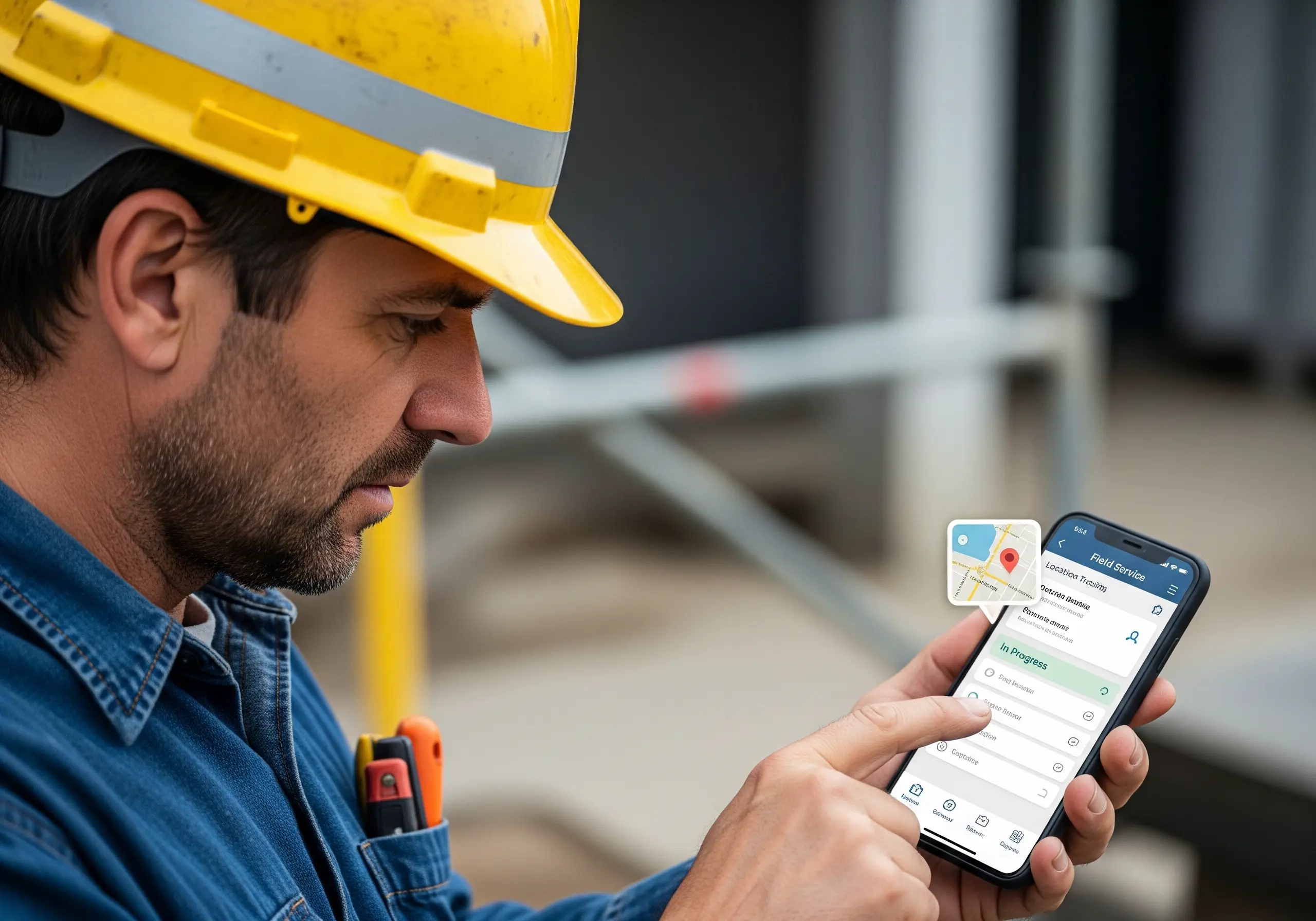
– Field Devices: Tablets, smartphones, rugged laptops, and IoT sensors gather real-time data on site progress, equipment status, and safety compliance. These devices must be durable, have long battery life, and support reliable wireless communication.
– Communication Phones: Voice communication remains vital, especially when safety is on the line. Construction-specific phones with noise-cancellation features and durable designs ensure clear conversations even in noisy environments.
– Data Networks: Establishing secure and stable data networks on job sites is challenging but essential. Solutions like LTE, 5G, satellite, or point-to-point wireless links bridge the connectivity gap, enabling cloud-based project management and instant data sharing.
To implement these technologies effectively, construction firms often collaborate with specialized providers. For example, handltechnology.com offers innovative hardware and software solutions designed to streamline data management and improve communication workflows tailored to the construction sector.
Each technology plays a vital role in creating a connected ecosystem. Field devices collect and transmit essential data, phones provide immediate voice communication to coordinate teams and respond to emergencies, and data networks underpin the entire system by facilitating seamless information flow. Deploying these technologies in tandem ensures that construction firms can respond quickly to site changes, improve productivity, and uphold safety standards.
The Impact of Integrated Communication Systems
Integrating field devices, phones, and data networks creates a unified communication system that drives several benefits:
– Improved Project Visibility: Real-time updates from job sites allow project managers and executives at headquarters to monitor progress, identify bottlenecks, and allocate resources more effectively.
– Enhanced Safety and Compliance: Instant communication and access to digital safety tools reduce the risk of accidents and ensure regulatory compliance.
– Reduced Operational Costs: Efficient communication cuts down delays and errors, saving time and money over the project lifecycle.
– Better Collaboration: Teams across multiple sites can coordinate tasks, share documentation, and resolve issues faster.
A recent industry study found that companies using integrated communication platforms reduced project delays by 30% and improved on-time delivery rates by 25%. Furthermore, firms that adopt mobile and cloud-based communication solutions report a 40% increase in overall productivity.
The integration of these systems not only streamlines daily operations but also fosters a culture of transparency and accountability. Project stakeholders can access up-to-date information, enabling informed decision-making and proactive problem-solving. This connectivity empowers construction firms to stay competitive in an industry where timelines and budgets are often tight.
Overcoming Connectivity Barriers on Job Sites
Despite the clear advantages, construction firms face several obstacles in connecting job sites with head offices, including:
– Remote Locations: Many sites are in rural or undeveloped areas with limited cellular coverage or internet infrastructure.
– Environmental Challenges: Weather, dust, and physical obstructions can degrade wireless signals and damage equipment.
– Security Concerns: Sensitive project data must be protected against cyber threats, especially when transmitted over public networks.
– Device Compatibility: Integrating various devices and software platforms requires careful planning to avoid interoperability issues.
Addressing these challenges requires customized solutions that blend technology with expert knowledge. Managed service providers specializing in construction IT can design and maintain robust networks, deploy ruggedized devices, and implement cybersecurity measures tailored to field conditions.
For instance, satellite internet can serve as a reliable fallback in extremely remote areas, while mesh networks help extend coverage across sprawling job sites. Rugged devices built to withstand harsh environments minimize equipment failure and maintenance costs. Additionally, implementing multi-factor authentication and end-to-end encryption protects sensitive data from unauthorized access.
A report from the Construction Industry Institute highlights that 58% of projects experienced connectivity issues that delayed operations, underscoring the importance of addressing these barriers proactively.
Best Practices for Connecting Job Sites to Headquarters
To maximize connectivity benefits, construction firms should adopt the following best practices:
– Assess Site Connectivity Needs: Conduct thorough surveys to understand signal availability, potential interference, and infrastructure requirements.
– Invest in Rugged Equipment: Use devices built for harsh environments to minimize downtime and repair costs.
– Leverage Cloud-Based Platforms: Cloud solutions enable centralized data access and real-time collaboration regardless of location.
– Implement Secure VPNs and Firewalls: Protect data transmission with encryption and secure access controls.
– Train Field Personnel: Ensure that on-site workers are proficient in using communication tools and understand security protocols.
Partnering with experienced providers is also critical. After investing in rugged equipment, many firms find value in collaborating with device management and network solutions tailored to the construction environment.
Separately, in optimizing software and workflow, stands out as a key collaborator offering comprehensive technology services that enhance communication and data management on job sites.
Regular training sessions for field personnel ensure that technology investments realize their full potential. Workers who understand how to operate devices efficiently and follow security protocols reduce the risk of data breaches and communication breakdowns. Additionally, continuous monitoring and maintenance of networks prevent unexpected outages and keep projects on track.
The Future of Construction Connectivity
As construction technology advances, connectivity solutions will continue to evolve. Emerging trends include the adoption of 5G networks, which promise ultra-low latency and higher bandwidth to support augmented reality (AR) and virtual reality (VR) applications on job sites. These technologies can enhance training, design visualization, and remote inspections.
Moreover, artificial intelligence (AI) and machine learning integrated with connected devices will enable predictive maintenance of equipment and smarter project management through data analytics. According to a recent report, 78% of construction firms plan to increase their investment in digital communication tools over the next two years.
The integration of drones, wearable technology, and smart sensors will further enhance data collection and safety monitoring. These innovations will require even more robust and reliable connectivity solutions, underscoring the importance of establishing a strong technological foundation today.
Conclusion
Connecting job sites to head offices is no longer a luxury but a necessity for construction firms aiming to boost efficiency, safety, and profitability. By leveraging rugged field devices, reliable communication phones, and secure data networks, companies can facilitate seamless information flow and collaboration across all project stages. Partnering with specialized IT and technology providers ensures that these solutions are tailored to the unique challenges of construction environments.
Integrating these technologies not only improves daily operations but also positions construction firms to embrace future innovations that will further transform the industry. In a sector where time is money and safety is paramount, investing in robust connectivity is a strategic imperative.
By adopting best practices and collaborating with trusted partners, construction firms can overcome connectivity challenges and unlock the full potential of digital transformation. This strategic investment drives better project outcomes, enhances workforce safety, and ultimately contributes to sustained business growth.







Comment