
Israeli Embassy and Consulates in the US: Where Israelis in America Go for Passports and Documents

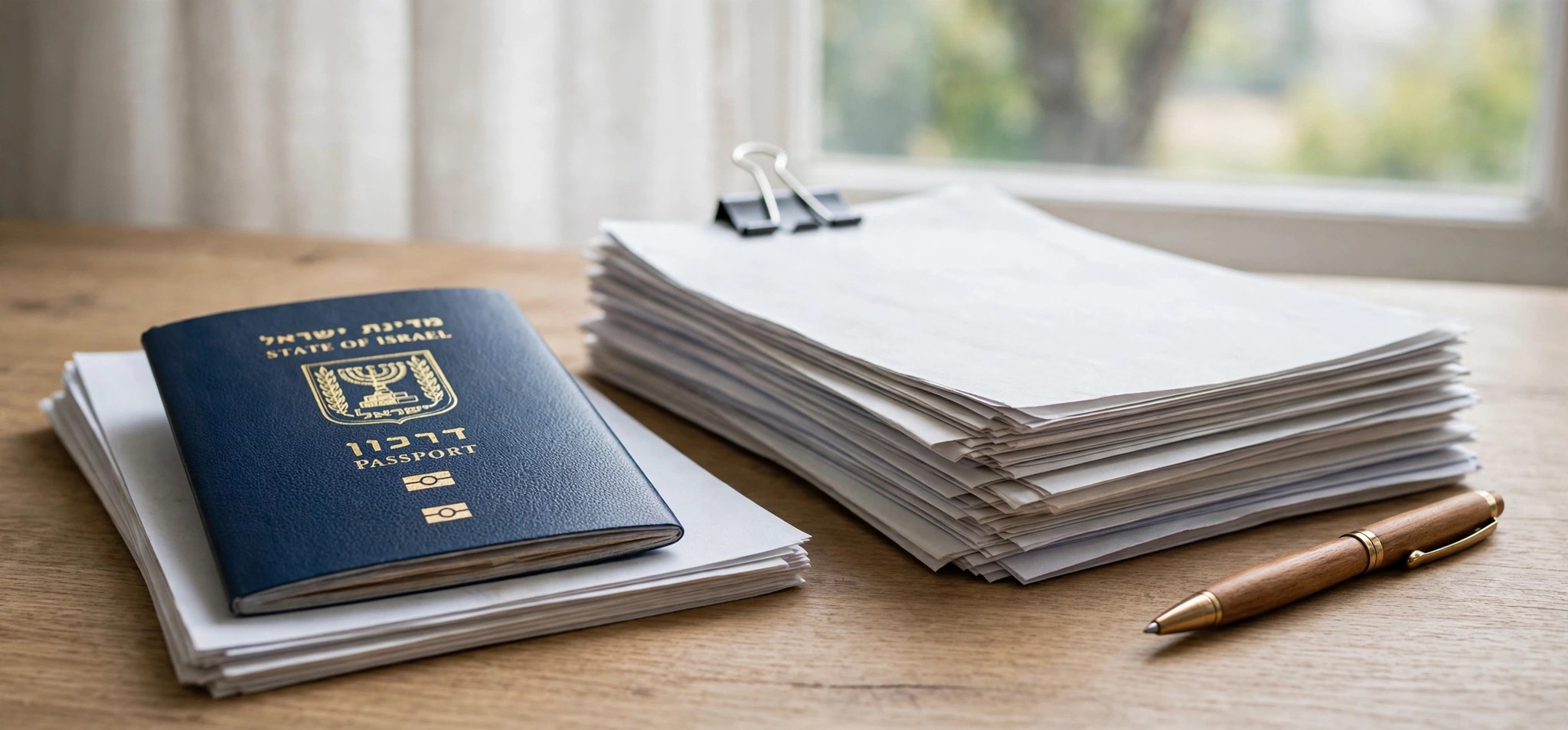
For the hundreds of thousands of Israelis living in the United States, handling official paperwork is rarely a simple errand. Whether you need to renew a passport before an urgent trip, register a newborn, sign a power of attorney for property in Israel, or obtain an apostille, the journey almost always leads to an Israeli diplomatic mission. But with demand far outstripping supply, knowing exactly where to go—and how to navigate the system—can save you months of frustration.
The Network: Embassy and Consulates
The central diplomatic hub is the Israeli Embassy in Washington, D.C., which provides consular services for residents of Washington DC, Maryland, Virginia, West Virginia, and North Carolina . For Israelis living elsewhere, the country is divided into jurisdictions served by Consulates General in major cities.
The current consular network includes missions in New York, Los Angeles, Miami, Chicago, Boston, Atlanta, Houston, San Francisco, and Philadelphia. It is important to note that the consulate serving your area depends on your state of residence, not simply the closest major city. For example, the Atlanta consulate covers Georgia, South Carolina, North Carolina, Kentucky, Tennessee, Alabama, and Mississippi , while the Washington embassy handles the DMV area and North Carolina. Israel Lifestyle keeps an up-to-date address guide to every Israeli consulate in the US, including specific jurisdiction maps and direct contact details, which is essential before you attempt to book an appointment.
What Gets Done at the Consulate
The consular departments handle the critical life-cycle events and legal necessities for Israeli citizens abroad. The most common services include:
- Passport Renewal: Adult citizens can often renew non-biometric travel documents by mail if they meet specific criteria. However, first-time applicants, minors, and those whose passports were lost or stolen must appear in person .
- Child Registration and Passports: Registering a newborn or renewing a passport for a minor requires an in-person appointment with at least one parent present, along with the child .
- Notary and Power of Attorney: If you need to sign legal documents affecting property or finances in Israel, a consular officer must notarize your signature. This always requires an in-person visit .
- Apostille and Document Legalization: For documents destined for use in Israel, the consulate can authenticate signatures and seals. However, note that for countries that are signatories to the Hague Apostille Convention—including the United States—the apostille itself is issued by the local Secretary of State, not the Israeli consulate. The consulate steps in only for documents from non-signatory countries .
How to Book an Appointment (and Why You'll Wait)
All consular visits require a pre-scheduled appointment; walk-ins are not accepted . The booking system is accessed through each mission's individual website. You select "Consular Services," find the specific service you need, and follow the link to the new appointment scheduling system .
The harsh reality is that appointments are booked out for weeks, and often months. Popular consulates like New York and Los Angeles routinely see wait times of 6 to 16 weeks for citizen services . The demand from the Israeli expat community consistently exceeds the number of available slots at understaffed consular departments. This backlog has real consequences: missed legal deadlines, delayed property transactions, and the inability to travel on short notice are common pain points.
For urgent cases, the Los Angeles consulate advises scheduling any available appointment first, then contacting the consulate directly to explain the urgency and request expedited processing .
What You Can Do Without the Trip
For many routine matters, a physical trip to the consulate is unnecessary—provided you meet the criteria. Adult passport renewals are frequently handled via mail. According to the Atlanta consulate's guidelines, you qualify for mail-in renewal if you answer "yes" to all of the following: you are 18 or older, your military status is settled, you possess your current passport (not a first passport, and not lost or stolen), the passport is undamaged, and you have visited Israel at least once in the past 10 years .
Mail-in renewal requires sending your current Israeli passport, a completed application form, two passport photos (2×2 inches in the US), and a credit-card payment form. The fee is $98 for an adult passport and $51 for a minor, plus $15 for return shipping. Processing takes up to 10 business days from the date the consular department receives your application .
However, this mail-in option is strictly limited. You must appear in person if you are renewing for the first time as an adult, have not visited Israel in the last decade, need a passport for a minor, or your passport was lost, damaged, or stolen . And regardless of the service, your Teudat Zehut (Israeli ID card) cannot be renewed abroad—that requires a return visit to Israel .
The Bottom Line
Navigating Israeli bureaucracy from abroad requires patience and preparation. Check the specific website of the consulate that has jurisdiction over your state, confirm whether your service qualifies for mail-in handling, and book your appointment the moment you realize your passport is nearing expiration—not when you book the flight. For everything else, Israel Lifestyle's address guide can point you to the right mission before you start the clock on a months-long wait.







Comment