When a car accident happens, it can leave both drivers shaken and distraught. They might not remember every precise detail about what led up to the accident. Either that, or their accounts about what happened will differ. The witnesses in the area can try to shed some light on what they saw leading up to the accident, but even their recollection of the events can differ.
Therefore, who are the most reliable witnesses? Perhaps the answer doesn’t involve a human being. It involves modern technology.
Why Connected Cars Make the Best Witnesses
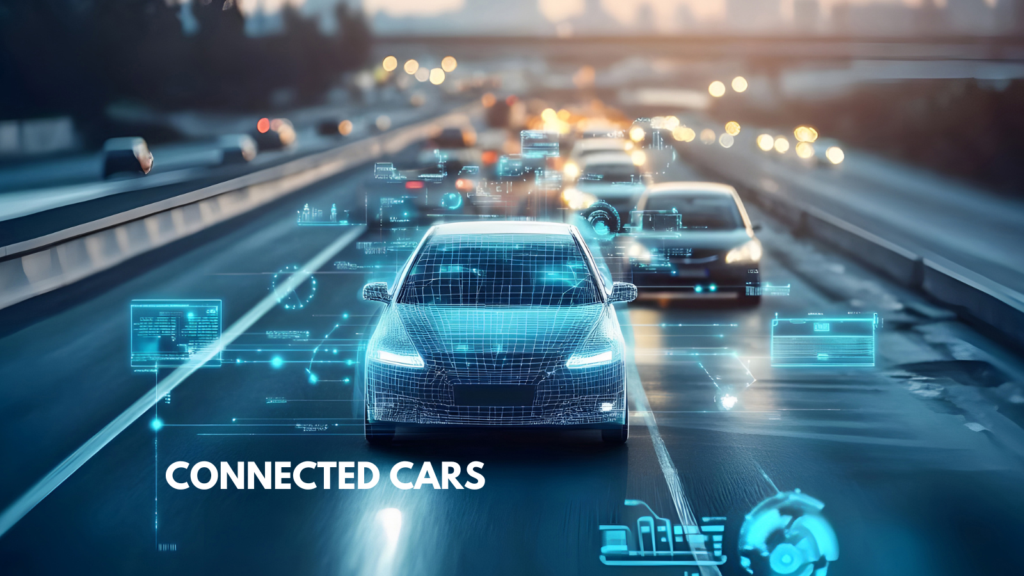
You are probably well aware that modern vehicles have more computer technology in them than ever before. Most vehicles manufactured nowadays have AI technology, sensors, and computers connected to the internet through a Wi-Fi connection. Vehicles like these are called connected cars.
Connected cars consistently gather and transmit information about their operational status and any potential problems they are facing. Drivers normally use this information to identify potential mechanical issues with their vehicles that need fixing before the problems worsen.
Did you know this same technology can be used as witnesses after a car accident? Think about it. Connected cars can collect data before, during, and after a collision takes place. Because of this, drivers, lawyers, claims adjusters, police, and all other stakeholders involved can use this information to establish what the vehicles were doing at the critical moment the accident occurred.
Did one driver forget to put on their brakes because they were distracted? Did another driver go past the local speed limit before the accident? These are the kinds of questions that can now be answered with the onboard technology of connected cars.
As a result, connected cars make it much easier to determine which drivers in an accident were more liable for causing it. Insurance companies will use this information to decide whether to approve claims, and lawyers will use it to seek compensatory damages from the more liable parties involved in the accidents.
Event Data Recorders
Event data recorders are basically the “black box” of modern cars. They are integrated computerized devices that record essential technical data about a vehicle immediately before, during, and after a collision occurs. Some examples of this specific data include braking input, acceleration speed, and airbag deployment status.
Most accidents happen because of the decisions made within the seconds before, during, and after an accident. The event data recorder captures every action a driver made in their vehicle throughout the course of the accident. All this information can help investigators reconstruct the events of what happened that led up to the collision and any other relevant information that worsened the aftermath.
However, the data doesn’t necessarily provide a complete narrative of the accident. Investigators will still need to use traditional methods of gathering evidence, such as photographs of the physical damage, police reports, medical reports, human eyewitness statements, and other available information. The data from connected vehicles is simply an additional piece of evidence to use alongside the other evidence.
GPS
GPS technology is another modern innovation found in most modern vehicles today. People normally use GPS to identify the current location of a vehicle and its real-time movements. You can see this nowadays when companies like Amazon or UPS are delivering a package, and the tracking shows the real-time location of the delivery driver.
Well, investigators can use this same technology to determine the location of a connected vehicle before the accident. This type of location information can tell investigators some critical information, such as where a vehicle was traveling and the route it took right before the accident. Then, investigators can compare this information with other evidence, such as eyewitness accounts, to determine if they align or not.
Again, GPS information will not be the sole piece of evidence to determine who is at fault in an accident. It is simply there as an additional piece of evidence to help investigators draw a realistic reconstruction of the events that occurred around the time of the accident.
Vehicle Telemetry
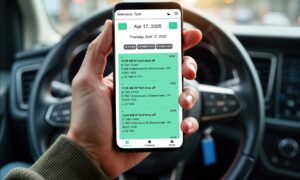
Vehicle telemetry is a technical term referring to the automated process of wirelessly gathering and transmitting real-time information from a vehicle’s onboard sensors and computers, such as GPS location, vehicle speed, vehicle behavior, and engine diagnostics. All this is the type of information that connected cars generate every second they are in operation.
Traditionally, investigators have heavily relied on evidence that can be physically obtained or observed at the scene of an accident, such as debris, vehicle damage, skid marks, eyewitness accounts, and road conditions. Connected vehicles can now give investigators digital evidence to add to all this other evidence.
The digital evidence indicating the acceleration speed, braking activity, and other operating conditions can help investigators clearly understand the behavior of both drivers involved. That is something that traditional physical evidence could never do clearly, especially if eyewitness accounts differ. Now, the digital evidence can help show which eyewitness accounts are accurate and which ones are not.
Cloud-connected Vehicles
Connected cars don’t just send information through the internet. They all communicate with cloud-based servers, which enable the cars to perform real-time data transmissions, remote diagnostics, and wireless software updates. This kind of connectivity allows vehicle information to exist outside of the car itself.
Why does this matter? Simple. If a car is in an accident, many of its onboard computers and sensors will likely get damaged. If that happens, you wouldn’t want to have the information only stored on the vehicle computers because you could end up losing it in an accident. But if the information transmits outside of the vehicle to a third-party cloud server, it will be saved there for investigators to access well after an accident occurs.
One Law Firm is Already Using Connected Cars to Defend Clients
Avazian & Avazian is a Los Angeles litigation firm that is already using the technology of connected cars to help defend clients in their personal injury cases involving collisions. Arman Avazian, the owner of the firm, has a proven track record of successfully winning these cases by retrieving data from both connected cars involved in an accident. When the data shows that his clients were less at fault than the other drivers involved, he has been able to win huge settlements.