
Common Causes of Seal Failures and How to Prevent Them in Production Lines

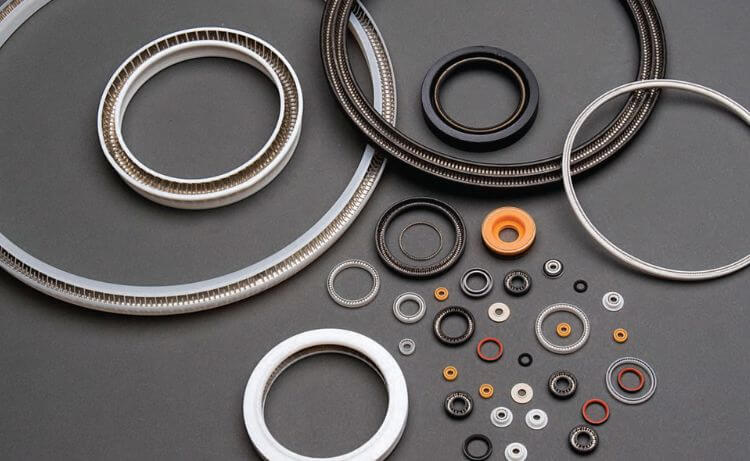
Seal failures are among the most frequent issues affecting packaging quality across industries such as food, pharmaceuticals and consumer goods. Even minor defects can compromise product integrity, create safety risks and increase waste. Understanding why seals fail — and how these issues develop on production lines — is essential for maintaining consistency and preventing costly disruptions.
Because sealing is often one of the final steps in packaging, errors at this stage may go unnoticed until late in the process. For this reason, identifying root causes and implementing preventive measures ensures not only better product protection but also greater efficiency and reliability in daily operations.
Material variations and inconsistencies
One of the most common sources of seal defects is inconsistent film quality. Variations in thickness, contamination on the sealing surface, or incompatible material combinations can weaken the seal. Even small pieces of dust, product residue or moisture trapped in the sealing zone can interrupt the fusion of layers.
Production teams must ensure that incoming materials meet specifications and that film rolls are stored and handled properly to avoid unintended contamination.
Incorrect sealing temperature and pressure settings
Temperature and pressure are key parameters in any heat-sealing process. If the temperature is too low, the layers won’t bond correctly; if it’s too high, the film may burn or deform. Similarly, insufficient pressure fails to create a uniform seal, while excessive pressure can damage the material.
Because equipment conditions change over time, regular calibration and monitoring are necessary to maintain the correct balance.
Equipment wear and inadequate maintenance
Sealing jaws, heating elements and mechanical components gradually degrade with use. Worn parts may create uneven pressure, inconsistent heat distribution or misaligned seals. These mechanical issues often lead to intermittent failures that are difficult to detect without systematic inspection.
Routine preventive maintenance helps avoid unexpected breakdowns and ensures stable sealing performance during long production runs.
Operator-related errors and inconsistencies
Human error is still a significant factor in production environments. Incorrect parameter adjustments, inconsistent loading of packaging materials or insufficient training can all contribute to seal failures. As production speeds increase, even small operational mistakes can have amplified effects.
Clear documentation, standardized processes and regular training sessions are essential to maintain consistent sealing results.
Why early detection is essential
Preventing seal defects is more effective — and less costly — than correcting them after packaging is completed. When defects are caught early, manufacturers avoid product loss, rework and potential recalls. Quality teams often rely on specialized testing tools to identify issues quickly and verify the strength and continuity of the seal.
Testing solutions, such as those referenced for more information, help organizations monitor seal integrity in a structured and repeatable way.
Practical steps manufacturers can take to prevent failures
To minimize the likelihood of seal defects, production teams should focus on a combination of process optimization, equipment control and operator awareness. Key preventive strategies include:
- performing regular equipment maintenance and part replacement;
- monitoring sealing temperature, pressure and dwell time in real time;
- verifying material compatibility and cleanliness;
- training operators on standardized sealing procedures;
- conducting routine seal integrity tests throughout production.
These actions create a more predictable environment in which seal performance can be consistently maintained.
Improving reliability through continuous monitoring
Ultimately, preventing seal failures requires a proactive quality-control approach. By integrating real-time monitoring and periodic seal testing, manufacturers gain better insights into process performance and are able to intervene before defects reach the final product. This reduces waste, protects brand reputation and supports smoother production flow.
A well-designed prevention strategy not only strengthens packaging quality but also creates long-term benefits for operational efficiency and cost management.
Common Causes of Seal Failures and How to Prevent Them in Production Lines
Seal failures are among the most frequent issues affecting packaging quality across industries such as food, pharmaceuticals and consumer goods. Even minor defects can compromise product integrity, create safety risks and increase waste. Understanding why seals fail — and how these issues develop on production lines — is essential for maintaining consistency and preventing costly disruptions.
Because sealing is often one of the final steps in packaging, errors at this stage may go unnoticed until late in the process. For this reason, identifying root causes and implementing preventive measures ensures not only better product protection but also greater efficiency and reliability in daily operations.
Material variations and inconsistencies
One of the most common sources of seal defects is inconsistent film quality. Variations in thickness, contamination on the sealing surface, or incompatible material combinations can weaken the seal. Even small pieces of dust, product residue or moisture trapped in the sealing zone can interrupt the fusion of layers.
Production teams must ensure that incoming materials meet specifications and that film rolls are stored and handled properly to avoid unintended contamination.
Incorrect sealing temperature and pressure settings
Temperature and pressure are key parameters in any heat-sealing process. If the temperature is too low, the layers won’t bond correctly; if it’s too high, the film may burn or deform. Similarly, insufficient pressure fails to create a uniform seal, while excessive pressure can damage the material.
Because equipment conditions change over time, regular calibration and monitoring are necessary to maintain the correct balance.
Equipment wear and inadequate maintenance
Sealing jaws, heating elements and mechanical components gradually degrade with use. Worn parts may create uneven pressure, inconsistent heat distribution or misaligned seals. These mechanical issues often lead to intermittent failures that are difficult to detect without systematic inspection.
Routine preventive maintenance helps avoid unexpected breakdowns and ensures stable sealing performance during long production runs.
Operator-related errors and inconsistencies
Human error is still a significant factor in production environments. Incorrect parameter adjustments, inconsistent loading of packaging materials or insufficient training can all contribute to seal failures. As production speeds increase, even small operational mistakes can have amplified effects.
Clear documentation, standardized processes and regular training sessions are essential to maintain consistent sealing results.
Why early detection is essential
Preventing seal defects is more effective — and less costly — than correcting them after packaging is completed. When defects are caught early, manufacturers avoid product loss, rework and potential recalls. Quality teams often rely on specialized testing tools to identify issues quickly and verify the strength and continuity of the seal.
Testing solutions, such as those referenced for more information, help organizations monitor seal integrity in a structured and repeatable way.
Practical steps manufacturers can take to prevent failures
To minimize the likelihood of seal defects, production teams should focus on a combination of process optimization, equipment control and operator awareness. Key preventive strategies include:
- performing regular equipment maintenance and part replacement;
- monitoring sealing temperature, pressure and dwell time in real time;
- verifying material compatibility and cleanliness;
- training operators on standardized sealing procedures;
- conducting routine seal integrity tests throughout production.
These actions create a more predictable environment in which seal performance can be consistently maintained.
Improving reliability through continuous monitoring
Ultimately, preventing seal failures requires a proactive quality-control approach. By integrating real-time monitoring and periodic seal testing, manufacturers gain better insights into process performance and are able to intervene before defects reach the final product. This reduces waste, protects brand reputation and supports smoother production flow.
A well-designed prevention strategy not only strengthens packaging quality but also creates long-term benefits for operational efficiency and cost management.







Comment