Whether you’ve splurged on a luxurious tin for a special occasion or received one as a gift, it’s natural to wonder how to make caviar last as long as possible. One of the most common questions people ask is whether you can freeze caviar to extend its shelf life. The short answer is yes, but that doesn’t necessarily mean you should.
Caviar is prized for its delicate texture, buttery flavor, and satisfying pop with every bite. Those qualities are what make it such a sought-after delicacy, and they’re also what make it especially sensitive to improper storage. While freezing can help prevent spoilage in certain situations, it may also change the experience that makes caviar so special in the first place.
What Happens to Caviar When You Freeze It?
The tiny eggs that make up caviar have delicate membranes filled with flavorful liquid. When caviar freezes, that liquid expands into ice crystals. As the crystals form, they can puncture the membranes, leaving the eggs softer or even mushy once they thaw.
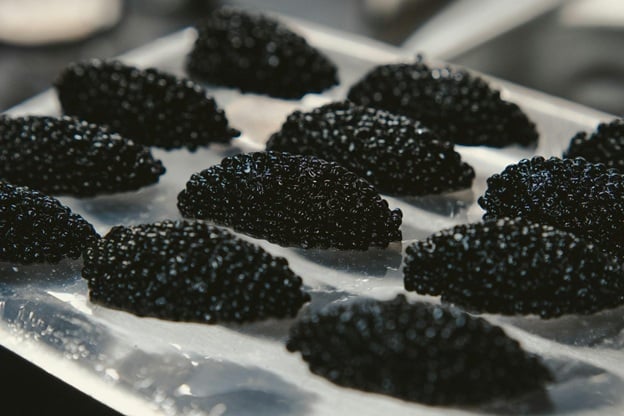
This change in texture is often the biggest downside of freezing. High-quality caviar is known for its firm, glossy pearls that gently burst in your mouth. After freezing, the eggs may lose some of that signature “pop,” making the overall eating experience less enjoyable. While the flavor may remain relatively similar, the texture can be noticeably different.
Is Freezing Ever Recommended?
Although freezing isn’t ideal, there are times when it makes sense. If you know you won’t be able to enjoy an unopened tin before its recommended date, freezing may be a better option than allowing it to spoil completely.
However, home freezers aren’t designed specifically for delicate foods like caviar. Commercial producers sometimes use carefully controlled freezing methods that rapidly lower the temperature while minimizing damage to the eggs.
A standard kitchen freezer typically freezes more slowly, which allows larger ice crystals to develop and increases the likelihood of texture changes. If the caviar has already been opened, freezing becomes even less appealing. Exposure to air and handling can affect freshness, and freezing won’t restore the quality that’s already been lost.
How Long Does Caviar Last in the Refrigerator?
For most people, refrigeration is the best way to preserve caviar. It should be stored in the coldest part of the refrigerator, ideally between 28°F and 32°F, and should be kept away from frequent temperature fluctuations.
An unopened container can often stay fresh for several weeks, though the exact shelf life depends on the producer and the type of caviar. Once opened, it’s best enjoyed within two to three days for the freshest flavor and texture. Keeping the container tightly sealed and chilled until serving will help maintain the quality for as long as possible.
What Is the Best Way To Freeze Caviar?
If you decide freezing is your only option, taking a few precautions can help minimize quality loss. Whenever possible, leave the caviar in its original unopened container. This reduces exposure to air and helps protect the eggs from absorbing odors from other foods in the freezer.
Place the container in the coldest part of the freezer and avoid repeatedly moving it in and out. Once caviar has been thawed, it should not be refrozen. Each freeze-and-thaw cycle further breaks down the delicate egg membranes, resulting in a softer texture and diminished quality.
How Can You Thaw Frozen Caviar Properly?
Patience is key when thawing frozen caviar. Transfer the container from the freezer to the refrigerator and allow it to thaw slowly over several hours or overnight. Gradual thawing helps reduce moisture loss and gives the eggs the best chance of retaining their structure.
Avoid thawing caviar on the kitchen counter or using warm water to speed up the process. Rapid temperature changes can encourage bacterial growth and further compromise the texture. Once thawed, serve the caviar well chilled and enjoy it as soon as possible for the best flavor.
What Are the Signs Your Caviar Has Gone Bad?
Even when stored correctly, caviar doesn’t last forever. One of the easiest ways to tell if it’s no longer safe to eat is by its smell. Fresh caviar should have a clean, mild aroma reminiscent of the sea. A strongly sour, fishy, or ammonia-like odor is a clear sign that it should be discarded.
The appearance and texture also offer important clues. Excess liquid, mushy eggs, unusual discoloration, or visible mold all indicate that the caviar is past its prime. If the flavor tastes noticeably bitter, sour, or otherwise off, it’s better to throw it away than risk eating spoiled seafood.
Fresh Is Almost Always Best
While you can freeze caviar, doing so usually comes at the expense of the texture that makes it such a delicacy. If freezing becomes necessary, proper storage and careful thawing can help reduce quality loss, but they won’t completely prevent it.
The easiest way to enjoy caviar at its finest is to buy an amount you can finish while it’s fresh. With the right storage practices, you’ll get the full experience the producer intended—and every bite will be worth savoring.