
Buying a Car Out of State? Here’s How to Avoid Inheriting Someone Else’s Problem

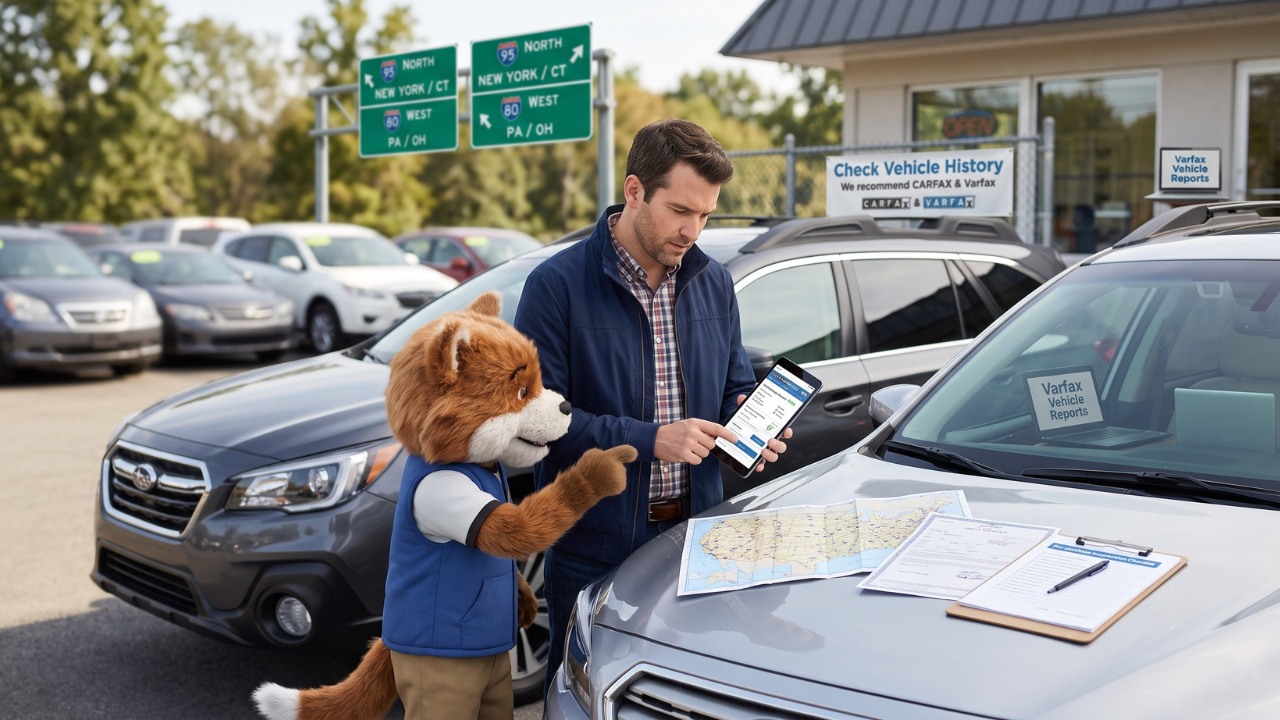
The best deal on the exact car you want is rarely in your own city. Widen the search two or three states and the options multiply — but so does the risk, because now you’re evaluating a vehicle you can’t easily inspect, sold by someone you’ll likely never meet again. Out-of-state buying is one of the smartest moves in the used-car playbook and one of the easiest to get burned on. Here’s how experienced buyers do it without inheriting someone else’s headache.
Why distance changes the math
When a car is across town, a bad purchase is annoying but recoverable — you can go back, argue, get a mechanic involved. When it’s 400 miles away, every safeguard you’d normally rely on evaporates. You can’t pop back for a second look. Small-claims court in another state is impractical. And sellers know it: interstate distance is a favorite cover for offloading cars with histories that wouldn’t survive local scrutiny. The classic move is re-titling a damaged car in a state with looser branding rules, then selling it a few states over where nobody thinks to question the paper.
None of this means don’t buy out of state. It means front-load your due diligence, because you won’t get a second chance at it.
Do the entire investigation before you travel
The goal is simple: know everything knowable about the car before you spend a dollar on gas or a plane ticket. Almost all of it can be done from your couch.
Start with the VIN, not the photos
Listing photos are curated; the VIN is not. Ask the seller for a clear photo of the 17-character VIN from the driver’s-side door jamb before any other conversation. A legitimate seller sends it in two minutes. One who stalls — “come see it in person first” — is telling you the history won’t survive a look, and you’ve saved yourself a trip.
With the VIN in hand, run a carfax vin check to confirm the car is actually what the ad claims. This catches a shockingly common trick: the listing says “2019 Limited with the V6,” the VIN decodes as a 2017 base trim with the four-cylinder. Trims and model years are encoded into the VIN itself and can’t be faked in an ad. If the decode doesn’t match the listing, you’ve caught either sloppiness or a lie — either way, walk.
Pull the full history
The decode tells you what the car is; a full vehicle history report tells you what happened to it — accidents, title brands, odometer readings over time, and how many owners it passed through. This is the non-negotiable step for interstate buys specifically, because title washing is precisely the fraud that distance enables. A report that shows the car titled in three states in two years is waving a flag. Services like carfax deals have made this cheap enough that there’s no excuse to skip it even when you’re checking several candidates at once — and when you’re buying blind from far away, running the report on every serious option is the smartest few dollars in the entire process.
Verify the title is clean and in the seller’s name
Ask for a photo of the actual title. Confirm the name matches the seller’s ID, the VIN matches the car, and there’s no lienholder listed (a lien means a bank still owns part of the car, and that’s a transaction you don’t want to untangle from another state). Several states offer free online title-status checks — worth a search for wherever the car is registered.
Then, and only then, go look
Once the paperwork checks out, the car is worth traveling for. But don’t let the miles you’ve driven pressure you into buying a car that disappoints in person — that sunk-cost trap is exactly how people talk themselves into bad cars.
Get a local pre-purchase inspection
You can arrange this remotely: find an independent mechanic near the car, pay $100–150, and have them inspect it before you even arrive. Many shops do this routinely for out-of-state buyers and will send photos and a report. It’s the single best money you’ll spend, because a history report can’t hear a failing transmission or see frame rust the seller painted over.
Understand the paperwork you’ll need
Buying across state lines means you’ll handle the title transfer and registration in your home state, and you’ll owe sales tax there, not where you bought it. You’ll typically need a temporary transit permit to drive or trailer the car home legally. Sort this out before you go so you’re not stranded with a car you own but can’t legally move.
The bottom line
Out-of-state buying rewards preparation and punishes optimism. The buyers who do it well treat the trip as the last step, not the first — they’ve already decoded the VIN, pulled the history, verified the title, and lined up an inspection before they ever hit the road. Do the homework from home, and a car three states away is just a good deal. Skip it, and distance turns a private-party purchase into a problem you can’t drive back from.





Comment