
Key Highlights
- Western boots are designed with a legacy of durability, born from the need for reliable footwear in rugged environments.
- The sturdy construction of a cowboy boot, featuring high-quality leather and strong stitching, ensures it can withstand long hours of work.
- Modern western boots combine traditional craftsmanship with advanced safety features like steel toes and electrical hazard protection.
- From premium leathers to advanced synthetic soles, every material in a work boot is chosen for longevity and performance.
- A great pair of boots offers both functional support for demanding jobs and a timeless fashion statement.
- Proper care can significantly extend the life of your western boots, making them a long-term investment in quality and comfort.
Introduction
Ever wondered why Western boots are so tough? It’s more than their iconic look. Designed for hard work and rugged terrain, cowboy boots offer protection, support, and lasting durability. Whether on the job or out in the field, you can count on quality western boots to blend timeless style with unmatched strength.
The Origins and Heritage of Western Boots
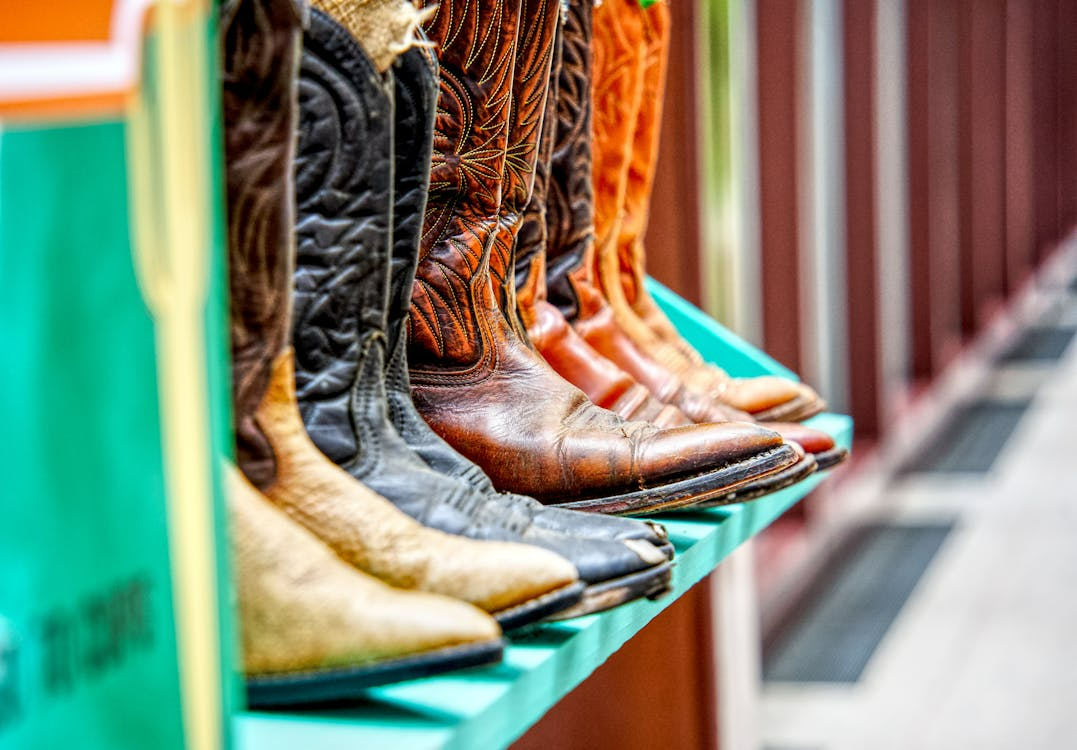
The western boot originated in the American West, created for cowboys who needed durable footwear for long rides and harsh conditions. More than just clothing, the traditional Western boots were a vital tool built for a demanding lifestyle.
Its practical design focused on strength, blending features for both riding and walking. This emphasis on function over fashion gave cowboy boots their lasting reputation for toughness and reliability. Next, we’ll look at how these boots became symbols of durability and their influence on Australian culture.
How Cowboy Boots Became Symbols of Durability
The first cowboy boots earned their reputation for toughness out of necessity. In the late 19th century, cattle drivers needed durable footwear to protect against harsh terrain, snakes, and livestock hazards. Early bootmakers responded with high shafts, sturdy heels, and reinforced toes—all crafted from tough leather—to meet these demands.
This commitment to durability continued for generations as techniques and materials were passed down, making work cowboy boots the most reliable choice on the frontier. Their resilience made them indispensable and cemented their legacy.
Over time, cowboy boots became more than functional—they symbolized the rugged individualism of the American West. Their reputation was built on performance, not marketing, securing their place as icons of durability.
Evolution of Western Boots in Australian Rural Culture
In Australia, western work boots quickly became essential for stockmen, farmers, and rural workers facing rugged terrain and harsh weather. Their durable, practical design made them ideal for demanding conditions.
These boots provide protection and comfort: the high shaft shields legs from brush and kicks, while sturdy construction ensures stability on uneven ground. Built-in arch support and tough soles help reduce fatigue during long hours of work.
Over time, Australian western boots evolved with features tailored to local needs. Their widespread use in rural communities proves their reliability and ability to withstand even the toughest environments.
Key Materials Used in Western Boots
The durability of Western boots begins with carefully selected, resilient materials. Premium leathers, prized for their flexibility, breathability, and toughness, form the core of most high-quality boots—qualities synthetics rarely match.
Some boots also use exotic skins for unique textures and added strength. Material choice is about more than appearance; it ensures lasting wear and legendary toughness. Let’s explore the leathers and components that make these boots so durable.
Premium Leathers and Exotic Hides
The durability of a work boot starts with its leather. Full-grain cowhide is the top choice for strength, comfort, and breathability, molding to your foot over time. For those wanting standout style and toughness, exotic leathers like snakeskin, ostrich, and caiman offer unique looks and added abrasion resistance. Brands such as Tony Lama excel at crafting boots with these distinctive materials.
Choose cowhide for everyday durability or opt for exotics if you need specific features or want to make a statement.
| Type of Leather | Durability Feature |
| Cowhide | Strong, breathable, molds to your foot for a custom fit |
| Ostrich | Soft yet durable; resists scuffs |
| Caiman | Tough, scaly hide; excellent protection and bold look |
| Snakeskin | Flexible, lightweight, unique textured surface |
Advanced Soles, Inlays, and Hardware for Longevity
While leather provides structure, the materials beneath your feet are just as important for durability. Modern western boots often feature advanced synthetic soles, such as rubber or polyurethane, which offer better grip, shock absorption, and resistance to oil and chemicals than traditional leather soles.
For hazardous environments, safety features are built in. Many top work boots include steel toes for impact protection and electrical hazard-rated soles to insulate against live currents.
These features make western boots tough, safe, and functional for today’s jobs. Key elements include:
- Reinforced Shanks: Steel or fiberglass shanks in the midsole add arch support and prevent unwanted flex.
- Goodyear Welt Construction: Stitches the sole to the upper, allowing the boot to be resoled multiple times.
- Durable Hardware: Rust-resistant eyelets and buckles withstand heavy use and harsh conditions.
Distinctive Design Features That Enhance Durability
The iconic western boot’s look is shaped by function. Every curve and stitch adds to its strength and performance—from the high, angled heel for stirrups to the pointed toe for easy entry. Though adapted for walking and working, these design features remain to offer protection and support. The boot’s distinctive shape showcases purposeful durability. Let’s explore the construction techniques and functional elements behind their resilience.
Construction Techniques Unique to Western Boots
Western boots are built to last thanks to their unique construction, especially the Goodyear welt. This technique stitches a leather strip between the upper and sole, creating a strong, water-resistant bond and allowing for easy resoling—unlike glued-on soles.
Skilled artisans use high-tension stitching with thick thread to assemble tough materials, ensuring seams don’t split and the boots endure daily wear.
Unlike many mass-produced shoes, western boots are designed for repairability and longevity, making them far more durable than disposable footwear.
Functional Elements for Tough Outdoor Conditions
Western boots are ideal for rugged work environments due to their practical design. The high shaft protects the lower leg from scrapes, snake bites, and debris—offering more coverage than standard safety shoes, especially in overgrown or rough terrain.
Their construction provides excellent support: a sturdy heel and built-in shank offer stability and arch support for all-day comfort. While they lack the tight ankle fit of lace-up boots, their snug instep and heel keep feet secure on uneven surfaces.
Western boots also handle dirt and grime well. The smooth leather vamp is easy to clean, and tough construction ensures durability in harsh conditions.
Key features:
- High Shaft: Shields the lower leg.
- Arch Support: Reduces foot fatigue.
- Durable Soles: Ensure traction and stability.
- Water Resistance: Treated leather keeps feet dry.
Conclusion
Western boots are more than just footwear—they reflect a rich heritage and durable craftsmanship. Their distinctive design and quality materials make them ideal for both rugged use and stylish looks. Whether exploring the outdoors or making a fashion statement, high-quality western boots offer lasting reliability. With proper care, they’ll serve you well for years. Ready to find your perfect pair? Contact our experts for a free consultation!
Frequently Asked Questions
Can high-quality western boots really last a lifetime with proper care?
Absolutely. With proper care, including regular cleaning, conditioning, and resoling when needed, a high-quality pair of boots can last for decades. Their sturdy construction is designed for longevity, and while they will show the marks of physical labor, a well-maintained work boot can become a lifelong companion.
What makes Western boots suitable for rugged environments in Australia?
Western work boots are ideal for Australia’s rugged work environment due to their tough materials and protective design. The high shaft guards against snakes and scrub, while durable soles offer grip on various surfaces. With added safety features, they provide the resilience needed for demanding rural and industrial jobs.
How do western boots balance durability with contemporary style?
Western cowboy boots achieve this balance by staying true to their durable roots while incorporating stylish elements. The use of exotic skins, intricate stitching, and varied toe shapes allows them to function as a fashion statement. This blend of good looks and resilience makes them suitable for modern work and casual wear.