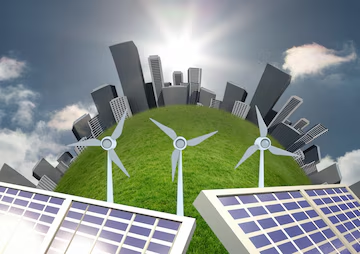
The world is changing faster than most people realize. Drive through any rural area these days and you’ll see wind turbines spinning on hilltops. Look at rooftops in suburban neighborhoods and solar panels are becoming as common as chimneys used to be. This shift toward renewable sources isn’t just happening by accident. Behind every successful project, there’s a team of experts helping investors and developers make smart decisions about where to put their money and how to build systems that actually work.
When investors decide to put millions of dollars into a new solar farm or wind project, they’re not just buying equipment and land. They’re making a bet on the future. But without the right guidance, even the best intentions can turn into costly mistakes. That’s where specialized clean energy, power and infrastructure advisory services come in, helping bridge the gap between big ideas and real-world results.
Understanding the Landscape
The energy sector today looks nothing like it did twenty years ago. Back then, power generation meant coal plants and natural gas facilities. Today, renewable options dominate the conversation, and for good reason. Wind, solar, hydroelectric, and battery storage technologies have dropped in price so dramatically that they’re now the cheapest way to generate electricity in most places around the world.
But cheaper doesn’t mean simpler. Each renewable project comes with its own unique challenges. A wind farm in Texas faces different issues than a solar installation in California. Offshore wind projects need completely different expertise than rooftop solar systems. Grid connections, permitting processes, community relations, and technology selection all require careful consideration.
This complexity means investors need people who’ve been in the trenches before. They need advisors who understand not just the theory but the practical realities of getting projects from concept to completion. That depth of knowledge makes the difference between projects that succeed and ones that drain resources without delivering results.
The Investment Challenge
Here’s something most people don’t realize about renewable energy investments: the technology is actually the easy part. Solar panels work. Wind turbines spin. Batteries store electricity. The real challenge is figuring out everything else.
Where should the project be located? How do you connect it to the grid? What permits do you need, and how long will they take to get? How do you structure the financing? What happens if equipment prices change during construction? Who maintains everything once it’s built? These questions keep investors up at night.
Smart investors don’t try to figure all this out alone. They work with experienced clean energy, power and infrastructure advisory teams who’ve answered these questions dozens of times before. These advisors bring experience from previous projects, relationships with regulators and utilities, and a realistic understanding of what can go wrong and how to prevent it.
From Planning to Reality
Every successful infrastructure project starts with solid planning, but planning only matters if it leads to real construction and operation. This journey from concept to completion requires expertise at every stage.
The early stages need someone who can evaluate whether a project makes sense in the first place. Does the site have good solar exposure or wind resources? Can the local grid handle the power? Are there environmental concerns? What about land rights and community support? Professional advisors ask these hard questions early, before anyone spends serious money.
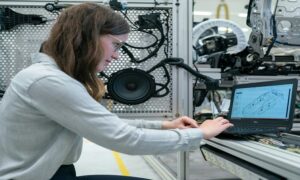
Once a project moves forward, the challenges shift. Now it’s about detailed engineering, equipment procurement, contractor selection, and construction management. This is where things get really complicated. Product Design Engineering becomes critical because every component needs to work together as a system. You can’t just bolt random parts together and expect reliable performance.
The electrical systems, structural supports, monitoring equipment, and grid connections all need to be designed as an integrated whole. Engineers have to account for local weather conditions, maintenance requirements, and future expansion possibilities. They need to select equipment that balances cost against reliability and performance.
The Automation Advantage
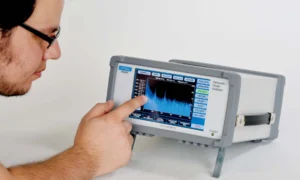
Modern power projects aren’t run by people walking around with clipboards anymore. Everything is monitored and controlled electronically, which is where Industrial Automation Engineering comes into play. These systems do everything from tracking how much power each panel or turbine produces to predicting when equipment needs maintenance.
Think about a large solar farm with thousands of panels spread across hundreds of acres. Without automation, you’d need an army of workers constantly checking every component. With smart automation systems, a small team can monitor the entire facility from a control room. Sensors detect problems before they cause failures. Software optimizes performance based on weather conditions and grid demand. Controllers adjust operations automatically to keep everything running smoothly.
The same principles apply to wind farms, battery storage facilities, and other renewable installations. Industrial Automation Engineering transforms these projects from collections of equipment into intelligent systems that maximize efficiency and minimize downtime.
Integration Is Everything
What separates successful projects from struggling ones often comes down to integration. You might have the best solar panels, the most advanced inverters, and state-of-the-art batteries, but if they don’t work together seamlessly, you’ve got problems.
This is where Product Design Engineering really shines. Good design engineering means thinking through how every piece interacts with every other piece. It means planning for things that might go wrong and building in redundancy where it matters. It means designing systems that technicians can actually maintain without needing a PhD.
Consider a wind farm where each turbine generates power independently but needs to feed into a single grid connection point. The Product Design Engineering team has to design collection systems, transformer stations, and control schemes that handle varying output from dozens of turbines while meeting strict grid requirements. One weak link in that chain can shut down the entire facility.
Smarter Operations Through Technology
Once a facility is built and running, the focus shifts to operations and maintenance. This is where many projects either thrive or struggle financially. A facility that runs at ninety-five percent availability makes a lot more money than one that only hits eighty percent. Those percentage points translate directly into revenue and profitability.
Modern Industrial Automation Engineering systems are the key to high availability. They constantly monitor thousands of data points, looking for patterns that indicate developing problems. They can often detect issues days or weeks before they cause equipment failures, allowing maintenance teams to fix things during planned downtime rather than dealing with emergency repairs.
These systems also optimize performance in real time. On a solar farm, automation adjusts panel angles to track the sun. At a wind facility, it adjusts blade pitch and rotor speed based on wind conditions. For battery storage, it manages charging and discharging cycles to maximize battery life while meeting grid demands.
Building Projects That Last
Infrastructure projects represent decades of operation, not just years. This long-term perspective should influence every decision from day one, which is why working with experienced clean energy, power and infrastructure advisory professionals matters so much.
Advisors who understand the full project lifecycle help investors avoid the trap of optimizing only for upfront costs. Yes, you can save money by choosing cheaper equipment or cutting corners on engineering. But those savings often get wiped out multiple times over through higher maintenance costs, lower performance, and shorter equipment life.
The best advisors help structure projects that balance initial investment against long-term value. They push for quality where it matters and find smart savings where it doesn’t. They design flexibility into systems so they can adapt as technology improves and market conditions change.
The Human Element
For all the talk about technology and engineering, successful infrastructure projects ultimately depend on people. The relationships between investors, developers, contractors, regulators, and communities determine whether projects move forward smoothly or get bogged down in conflicts and delays.
Experienced clean energy, power and infrastructure advisory teams bring more than technical knowledge. They bring relationships built over years of working in the industry. They know which contractors deliver quality work on schedule. They understand how to work with regulatory agencies. They’ve learned how to engage communities in ways that build support rather than opposition.
These soft skills often matter more than technical expertise when it comes to actually getting projects built. A technically perfect design doesn’t help if the project can’t get permits or faces community opposition. But a good design backed by strong relationships and clear communication can overcome most obstacles.
The Path Forward
The transition to renewable energy represents one of the largest infrastructure buildouts in human history. Over the coming decades, trillions of dollars will flow into new power generation, storage, and transmission projects. This creates enormous opportunities for investors who approach it with intelligence and proper support.
Success in this space requires combining financial acumen with technical expertise and practical experience. It means using sophisticated Product Design Engineering to create reliable systems. It demands implementing advanced Industrial Automation Engineering to optimize performance. And it requires working with seasoned advisors who can navigate complexity and avoid expensive mistakes.
The renewable energy revolution is happening now, one project at a time. Each successful installation proves what’s possible and paves the way for the next one. With proper guidance from experienced professionals, investors can participate in building this new energy infrastructure while generating solid returns.
The future of power generation is being built today. Make sure you’re building it right.