
Beyond the White Coat: How Ryan Huang Combines Research, Analytics, and Clinical Medicine

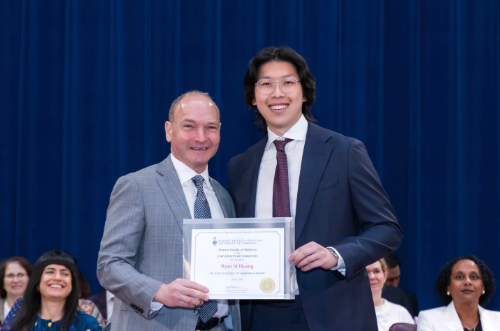
Healthcare has become one of the most collaborative professions in the modern world. While physicians remain responsible for diagnosing illnesses and caring for patients, the medical field now depends on contributions from researchers, data scientists, engineers, and healthcare leaders working together to solve increasingly complex challenges. Advances in artificial intelligence, medical imaging, and data analysis have expanded the possibilities for improving patient care, but they have also highlighted the need for professionals who can understand both the science behind innovation and the realities of clinical practice.
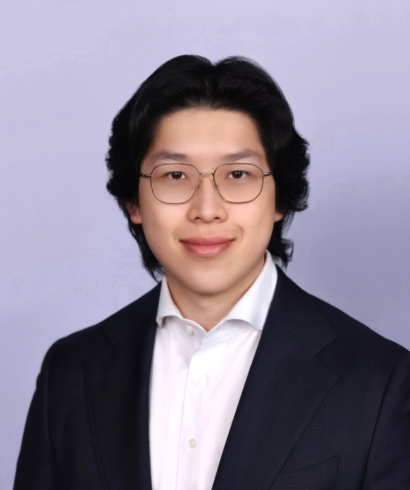
Ryan Huang is part of this emerging generation of physician-scientists whose education and research reflect the growing connection between medicine and technology. Currently a Resident Physician at the University of British Columbia, Ryan Huang has pursued academic training across several disciplines, allowing him to approach healthcare from multiple perspectives. His educational background includes a Doctor of Medicine from the Temerty Faculty of Medicine at the University of Toronto, a Master of Management Analytics from the Rotman School of Management, and a Master of Science from McGill University.
This combination of medical education and analytical training demonstrates an important shift occurring throughout healthcare. Modern physicians are increasingly expected to understand not only disease processes but also healthcare systems, clinical research, data interpretation, and emerging digital technologies. As medical information continues to expand, professionals who can evaluate evidence critically and translate research into clinical practice become increasingly valuable.
One area where Ryan Huang has focused much of his research involves artificial intelligence in healthcare. Artificial intelligence has become one of the most discussed technologies in medicine because of its potential to assist healthcare professionals with large amounts of clinical information. Hospitals produce extensive datasets every day through diagnostic imaging, laboratory testing, electronic medical records, and patient monitoring systems. Carefully designed computational tools can help researchers identify trends within these datasets, supporting scientific discovery and assisting clinicians in making informed decisions.
However, successful healthcare innovation depends on more than technological capability. Medical research requires careful validation, peer review, and ethical oversight before new approaches can become part of everyday clinical practice. Ryan Huang’s work reflects this evidence-based philosophy by examining how artificial intelligence can support personalized treatment strategies while recognizing the importance of physician judgment and patient-centered care. Rather than treating technology as an independent solution, this approach views innovation as one component of a broader healthcare system centered on patients.
Another significant focus of Ryan Huang’s work is health equity. Discussions about medical innovation increasingly recognize that scientific advances should benefit people from diverse backgrounds and communities. Healthcare disparities remain an important challenge in many countries, making accessibility and fairness essential considerations during the development of new technologies and treatment strategies. Research that incorporates these perspectives helps ensure that future healthcare improvements are both scientifically effective and broadly applicable across different populations.
Academic research plays a central role in advancing medical knowledge, and Ryan Huang has contributed extensively to this process. Throughout his career, he has authored more than one hundred peer-reviewed publications covering subjects related to clinical medicine, emerging therapies, artificial intelligence, and healthcare innovation. Peer-reviewed journals provide an important mechanism for evaluating scientific quality because submitted research undergoes independent assessment before publication. This process encourages transparency, strengthens scientific evidence, and supports ongoing collaboration among researchers around the world.

In addition to publishing research, Ryan Huang has presented scientific findings at international conferences, where researchers exchange ideas, discuss emerging evidence, and receive feedback from colleagues representing diverse specialties. Conferences remain an essential part of medical progress because they encourage collaboration across institutions and countries while exposing researchers to new perspectives that may inspire future investigations.
Healthcare today also depends heavily on interdisciplinary teamwork. Physicians routinely collaborate with engineers developing medical devices, statisticians analyzing clinical trials, computer scientists designing algorithms, and administrators improving healthcare delivery systems. These collaborations combine specialized expertise to address challenges that no single profession could solve independently. Ryan Huang has participated in interdisciplinary initiatives that reflect this collaborative model, contributing to projects focused on innovation, physician leadership, and healthcare improvement.
Leadership within medicine extends beyond supervising clinical teams. Physician leaders often participate in quality improvement projects, healthcare policy discussions, research organizations, and educational initiatives aimed at strengthening healthcare systems. Balancing scientific innovation with patient safety, accessibility, and ethical responsibility requires thoughtful decision-making and collaboration across multiple disciplines. Ryan Huang’s involvement in physician leadership activities reflects the importance of these broader responsibilities within modern healthcare.
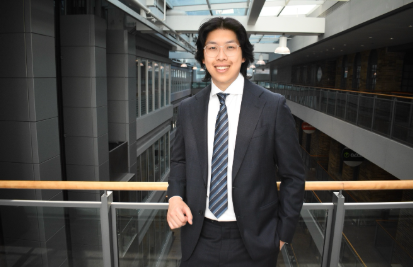
The rapid pace of technological development has created exciting opportunities for medicine, but lasting progress depends on careful implementation rather than rapid adoption alone. Artificial intelligence, predictive analytics, and digital health tools all require continuous evaluation to ensure they improve patient outcomes while protecting privacy, reducing bias, and maintaining public trust. Researchers who understand both clinical medicine and advanced analytical methods play an important role in helping healthcare systems navigate these challenges responsibly.
Ryan Huang’s academic journey demonstrates how multidisciplinary education can support meaningful contributions to medicine. By combining clinical training, scientific research, management analytics, and collaborative leadership, his work reflects the increasingly interconnected nature of healthcare. As medicine continues to evolve, professionals who embrace evidence-based innovation while remaining committed to compassionate patient care will help shape the future of healthcare in ways that benefit both patients and society.







Comment