
Beyond the Set: How 3D Visualization Helps Filmmakers Build Convincing Cinematic Worlds

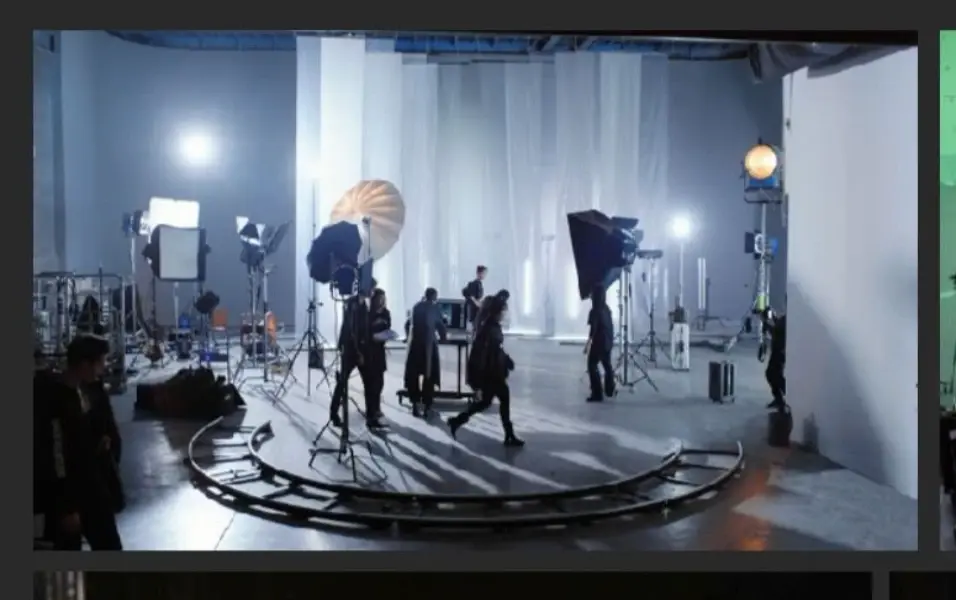
A memorable action sequence needs more than spectacular stunts, fast editing, and convincing performances. The environment surrounding the characters can be just as important. A narrow alley creates tension, an imposing fortress suggests danger, and a sprawling city skyline can make a confrontation feel larger than life. These spaces help establish atmosphere, shape movement, and give audiences a world they can believe in.
Behind many ambitious cinematic environments lies a process of planning, experimentation, and collaboration. As digital visualization tools continue to develop, filmmakers have more ways to explore locations and communicate creative ideas before production begins. From preliminary sketches to detailed three-dimensional models, these techniques can help transform an early concept into a setting that supports the story.
Designing Cinematic Spaces Before Production
Creating a believable environment begins long before the cameras roll. Directors, production designers, cinematographers, and other members of a filmmaking team must consider how a location will look, feel, and function within a scene.
Traditional tools such as storyboards, concept art, location photographs, and physical models remain valuable. Digital visualization adds another layer by allowing teams to explore spaces from different viewpoints and examine how their elements relate to one another.
A three-dimensional representation of a building, for example, can help a creative team assess its proportions, entrances, surrounding landscape, and relationship to nearby structures. Camera positions can be explored before a location is finalized, while lighting studies can help illustrate how the environment might appear under different conditions.
This process can be particularly useful for productions involving complex environments or elaborate action sequences. Discovering that a proposed camera angle does not work or that a location lacks sufficient space for a planned scene is easier during preparation than after a production has committed significant time and resources.
However, architectural visualization and film previsualization serve different purposes. Architectural visualization generally emphasizes the appearance and spatial qualities of a proposed structure, while previsualization focuses more directly on how a sequence will unfold on screen. Both can contribute to a shared understanding of the intended environment.
From Architectural Concepts to Cinematic Environments
Film settings do not always need to exist exactly as audiences see them. A production might combine real locations, constructed sets, digital extensions, and visual effects to create a unified fictional world.
Realistic digital representations of buildings and exterior spaces can help creative teams communicate the visual direction of a proposed location. They can examine how a structure fits into its surroundings, consider the effect of daylight, or explore how architectural details contribute to a particular mood.
Imagine a thriller featuring a remote research facility surrounded by rugged terrain. Before deciding how to realize the location, the creative team might explore several approaches: adapting an existing building, constructing a partial set, or combining practical photography with digital extensions.
Visualization can help communicate the strengths and limitations of these options. It gives collaborators something concrete to discuss while leaving room for creative changes as the project develops.
Specialized resources, including exterior rendering services, can contribute to this broader process when a production needs detailed representations of buildings or outdoor environments. Their usefulness depends on the project’s requirements and how the resulting imagery will inform creative decisions.
Why Spatial Clarity Matters in Action Filmmaking
Action scenes depend on movement, timing, and geography. Audiences need to understand where characters are, what obstacles stand between them, and how one moment leads to the next.
When a chase moves through several connected spaces, the relationships between those spaces can influence whether the sequence feels coherent. Similarly, a confrontation on a rooftop requires a clear understanding of the environment’s layout, sightlines, and boundaries.
Digital planning can help creative departments examine these relationships before filming. Directors and cinematographers can consider framing, while production designers can evaluate the visual character of the setting. Stunt coordinators and other specialists can contribute their own requirements to the planning process.
This does not mean that a digital model can replace practical expertise. Action sequences still require appropriate safety planning, experienced professionals, and careful coordination on set. Visualization is most useful as a communication tool that helps teams identify questions and resolve creative challenges early.
The environment also contributes to storytelling beyond logistics. A confined interior can make a confrontation feel intimate and threatening, while an expansive exterior can emphasize isolation or vulnerability. The design of a location can influence an audience’s emotional response without a character ever explaining what the space represents.
Balancing Digital Precision With Cinematic Imagination
Photorealism alone does not create a convincing cinematic world. A perfectly rendered building may still feel lifeless if its design, lighting, and composition do not support the scene.
Filmmaking requires a balance between technical precision and artistic judgment. A director may choose an unconventional camera angle, alter a location’s appearance, or simplify a setting to keep attention on a character. The best visualization process supports those decisions rather than restricting them.
Budgets and production needs also vary. A large-scale action film may benefit from detailed digital environments, while a smaller independent production might achieve its goals through location scouting, practical sets, reference photography, and simple models. The appropriate approach depends on what the story requires.
Technology should therefore be viewed as part of the creative toolkit, not a substitute for imagination or collaboration.
Building Worlds Audiences Believe In
Convincing cinematic environments emerge from the relationship between storytelling, design, and execution. Digital visualization can help filmmakers explore possibilities, communicate a shared vision, and anticipate challenges before production begins.
Yet the finished result still depends on the choices made by the people bringing the story to life. Whether a film takes place in a familiar city, a remote wilderness, or an entirely fictional world, its environments matter because of how they serve the characters and the action.
When thoughtful planning meets creative ambition, the setting becomes more than a backdrop. It becomes an active part of the cinematic experience, helping audiences understand the stakes, feel the tension, and believe in the world unfolding on screen.







Comment