Best Logistics Company in India: A Practical Guide for Business Decision-Makers

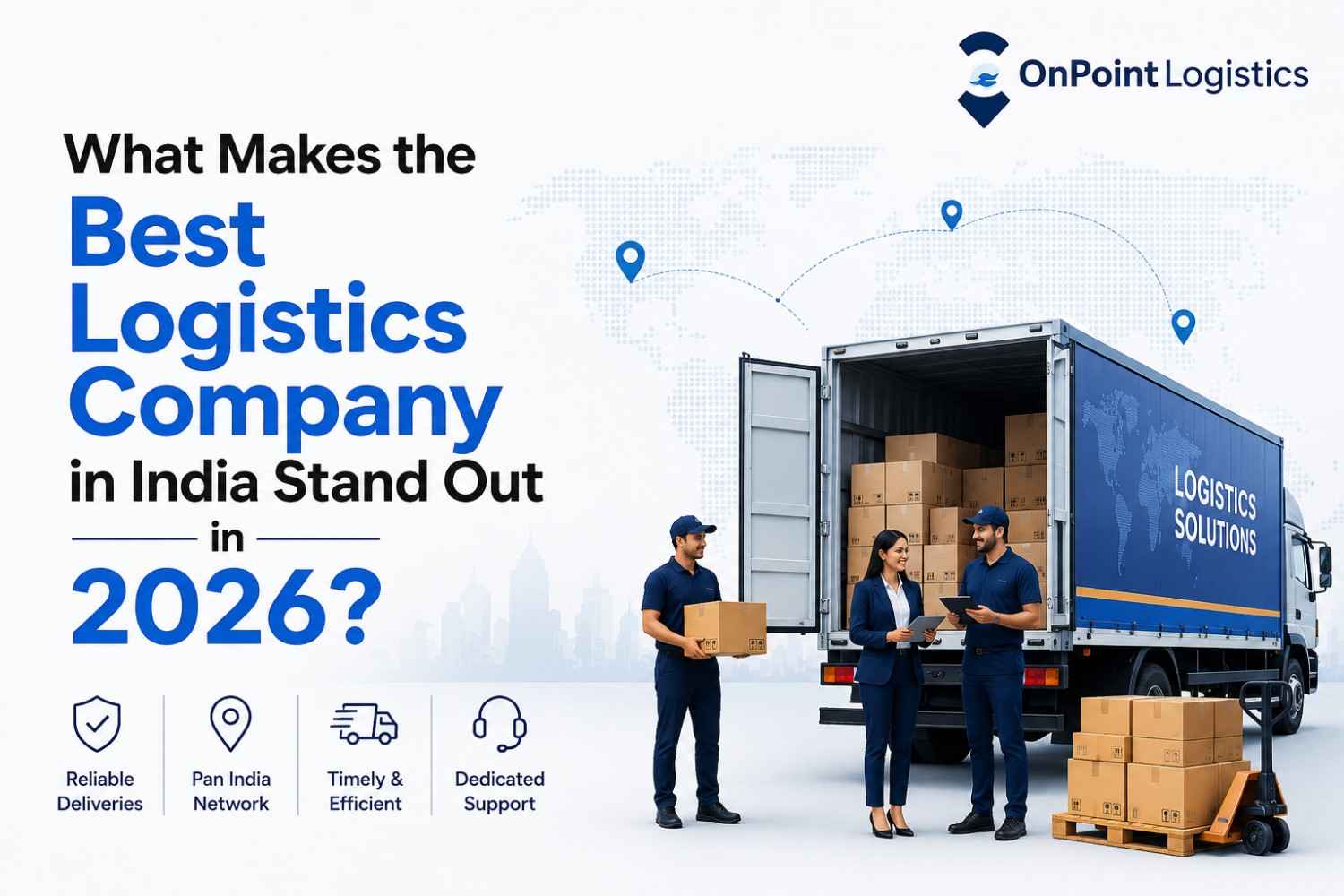
Most logistics problems do not start on the road. They usually begin much earlier with poor planning, unrealistic delivery commitments, fragmented communication, and weak operational visibility. By the time delays become visible to customers, the actual issue may have started days earlier inside a warehouse, dispatch center, or vendor network.
This is why selecting the best logistics company in India is rarely about finding the lowest transportation rate. Businesses that scale successfully usually look deeper. They evaluate operational discipline, consistency under pressure, network reliability, and the ability to solve problems when things inevitably go wrong.
A logistics partner can either support growth or quietly create operational friction that becomes expensive over time.
Key Takeaways
- Cost savings often disappear when operational reliability is poor.
- Most logistics failures originate from coordination gaps, not transportation itself.
- Scaling exposes weaknesses that are invisible during small-volume operations.
- Technology helps visibility, but process discipline matters more.
- Choosing the wrong logistics partner can create long-term operational dependency.
Why Logistics Performance Becomes More Important as Businesses Grow
Many companies focus heavily on sales growth while treating logistics as a secondary function. That approach works for a while. Orders move, customers receive shipments, and operational issues remain manageable.
Then volume increases.
More orders create more handoffs, more delivery locations, more inventory movement, and more pressure on customer support teams. Small inefficiencies suddenly become visible. A delay that affected five shipments last month may affect hundreds next month.
This is usually where projects become messy.
I have seen businesses invest heavily in marketing and customer acquisition only to discover their logistics network cannot support growing demand. Customer complaints increase, inventory accuracy drops, delivery timelines become unpredictable, and internal teams spend more time solving operational problems than focusing on growth.
The best logistics services are often the ones customers barely notice because operations continue running smoothly even during peak demand periods.
What Separates a Reliable Logistics Partner from an Average One
Many providers offer transportation. Fewer providers consistently manage operational complexity.
A trusted logistics partner for businesses understands that transportation is only one part of the process. Inventory movement, warehouse coordination, shipment visibility, appointment scheduling, documentation, and exception handling all influence delivery performance.
One thing many teams underestimate is how frequently exceptions occur in real operations.
Vehicles break down.
Customers reschedule deliveries.
Warehouses become congested.
Loading delays affect transportation schedules.
Weather impacts movement.
Experienced logistics providers expect these situations and build contingency planning into their operations. Less mature providers often react after the disruption has already affected customers. Weather-related disruptions are another operational risk that businesses often underestimate, particularly for intercity and cross-border shipments. During winter operations or in regions affected by snowfall, using a snow day predictor can help estimate potential weather-related closures and travel delays, allowing logistics teams to adjust dispatch schedules, communicate realistic delivery timelines, and minimize unnecessary operational disruptions before they escalate.
The difference becomes obvious during operational pressure.
When everything runs smoothly, many providers appear similar. Real capability becomes visible when unexpected disruptions occur.
Hidden Costs Businesses Often Ignore During Vendor Selection
Price comparisons create one of the most common mistakes in logistics procurement.
Organizations frequently compare transportation rates without evaluating operational impact. A lower quoted rate may appear attractive initially, but hidden costs often emerge later.
These costs commonly include:
- Delivery failures and reattempt charges
- Inventory inaccuracies
- Increased customer support workload
- Poor shipment visibility
- Delays during peak demand periods
- Higher operational coordination efforts
Affordable logistics services in India should reduce total operational cost rather than simply offer cheaper transportation rates.
In reality, implementation is often easier than long-term operational management.
A provider may successfully onboard a customer within weeks. Maintaining service quality for years while volumes fluctuate is significantly harder.
This is where operational maturity becomes valuable.
Why Technology Alone Does Not Solve Logistics Problems
Technology discussions dominate logistics conversations today.
Tracking platforms, warehouse systems, route optimization tools, dashboards, and analytics solutions continue improving. These tools provide value, but many businesses overestimate what technology can solve independently.
The technical setup is rarely the hardest part. Managing long-term operational consistency usually is.
I have seen organizations implement sophisticated logistics software while continuing to struggle with inventory discrepancies, delayed dispatches, and communication failures.
The problem was never the software.
The underlying operational process remained broken.
Technology can improve visibility. It cannot automatically correct poor warehouse discipline, inaccurate inventory practices, weak dispatch management, or unrealistic delivery commitments.
The most successful logistics operations usually combine reasonable technology with disciplined execution.
This combination creates reliability.
Without operational discipline, technology simply exposes existing problems faster.
The Operational Challenges That Appear After Scaling Begins
Most planning timelines look reasonable until real execution begins.
As shipment volume grows, logistics networks face challenges that smaller operations rarely experience.
Warehouse capacity becomes constrained.
Driver availability fluctuates.
Regional demand patterns become difficult to predict.
Customer expectations continue increasing.
This creates operational pressure across multiple functions simultaneously.
Organizations often discover that processes designed for hundreds of shipments cannot support thousands of shipments without modification. Manual workflows become bottlenecks. Communication gaps expand. Exception management consumes more resources.
The best logistics company in India is not necessarily the largest provider. Often, it is the provider that maintains operational consistency while adapting to changing business requirements.
Scalability depends on process design, network planning, workforce management, and operational visibility working together.
When one area falls behind, performance suffers across the entire supply chain.
Conclusion
One practical observation remains consistent across logistics projects. Businesses rarely suffer because transportation itself is difficult. They struggle because operational complexity increases faster than their systems, processes, and partners can adapt.
A repeated mistake many organizations still make is selecting logistics providers primarily on pricing while ignoring operational resilience. The savings usually disappear once service disruptions begin affecting customers.
The useful takeaway is simple. Evaluate logistics partners based on how they perform during operational pressure, not during sales presentations.
Looking ahead, logistics networks will become more connected, more data-driven, and more visible. Yet the organizations that perform best will still rely on the same fundamentals: disciplined execution, reliable processes, and strong operational partnerships.
FAQs
1. What should businesses consider when selecting a logistics partner?
Ans. Beyond pricing, businesses should evaluate network coverage, service consistency, technology capabilities, communication processes, and the provider’s ability to handle disruptions during peak operational periods.
2. Why do logistics costs increase unexpectedly?
Ans. Hidden operational costs often emerge through delivery failures, inventory inaccuracies, warehouse delays, reattempted deliveries, and inefficient coordination between supply chain stakeholders.
3. Are affordable logistics services in India reliable?
Ans. They can be. The key is evaluating total operational value rather than transportation rates alone. Lower pricing without operational reliability often creates higher costs later.
4. How important is technology in logistics operations?
Ans. Technology improves visibility and decision-making, but it cannot replace disciplined operational processes. Successful logistics operations depend on both technology and execution quality.
5. What causes most delivery delays?
Ans. Delays frequently originate from loading issues, warehouse congestion, appointment scheduling problems, documentation gaps, and communication failures rather than transportation itself.