Before You Buy a Wood Laser Engraver and Cutter: What Don’t the Brands Tell You?

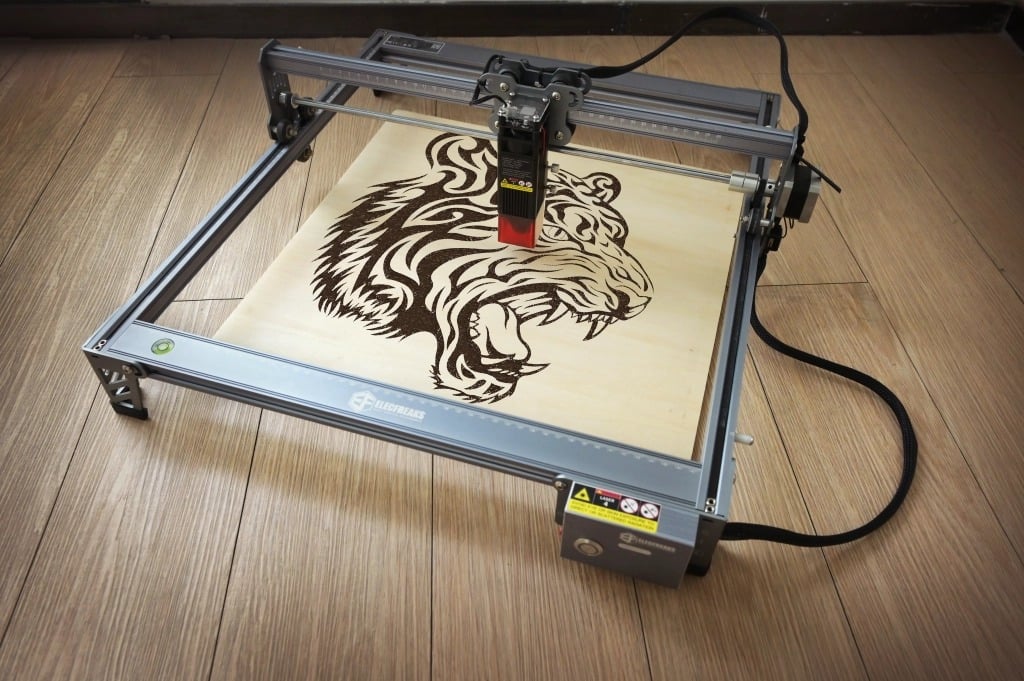
Choosing a laser machine for wood processing is not always as simple as comparing laser power and price. Many buyers make decisions based on product specifications, only to find later that the machine cannot meet their actual production needs. Limited working space, insufficient cutting capability, poor smoke management, or lack of flexibility for future projects can all affect long-term efficiency.
Before investing in a wood laser engraver and cutter, it is important to evaluate your materials, project sizes, production volume, and required features. The right machine is not necessarily the most powerful or expensive option, but the one that matches your woodworking applications and business goals.
What Should You Consider Before Buying a Wood Laser Engraver and Cutter?
Laser Power Should Match Your Wood Applications
Laser power directly affects cutting capability, but higher power does not always mean a better choice. The ideal configuration depends on the type and thickness of wood you process.
For example:
- Lower power configurations are suitable for detailed engraving, thin wood sheets, and small customized products.
- Higher power configurations are better for thicker plywood, larger wooden panels, and continuous production.
Before choosing a machine, consider the following factors:
| Buying Factor | Why It Matters |
| Laser Power | Determines cutting ability and processing speed |
| Working Area | Defines the maximum material size |
| Machine Accuracy | Affects engraving details and cutting quality |
| Production Volume | Determines the suitable machine configuration |
For users searching for a wood laser engraver and cutter, matching machine specifications with actual production requirements is more important than simply selecting the highest available power.
Choose the Right Laser Cutter Based on Your Wood Projects
Different woodworking applications require different machine sizes and configurations. A compact machine may be suitable for personalized products, while larger businesses often need more workspace and stronger cutting capability.
MimoWork provides CO2 laser cutting solutions for different wood applications, allowing users to select equipment based on project size, material requirements, and production goals.
| Laser Cutter Model | Working Area | Laser Power Options | Recommended Wood Applications |
| F60 Laser Cutter | 600 × 400mm | 60W | Wooden crafts, personalized gifts, prototypes |
| F100 Laser Cutter | 1000 × 600mm | 60W / 80W | Wooden signs, customized products, small business production |
| F130 Laser Cutter | 1300 × 900mm | 60W–150W | Decorative panels, displays, commercial wood products |
| F130-L Laser Cutter | 1300 × 2500mm | 100W–600W | Large wood sheets, furniture components, industrial applications |
Watch how the MimoWork laser cutter precision-cuts intricate wooden Christmas decorations and crafts with smooth edges and high accuracy:
When choosing between different models, buyers should consider not only their current projects but also future production expansion. A larger working area can reduce material repositioning and improve workflow efficiency, especially for businesses processing larger wood products.
Hidden Factors That Affect Your Buying Decision
Working Area Can Determine Production Efficiency
Many buyers underestimate the importance of working area. A machine with limited workspace may require users to reposition materials frequently, which increases operation time and reduces production efficiency.
A large format wood laser cutter is often more suitable for users working with:
- Large wooden panels
- Furniture components
- Decorative structures
- Batch production projects
Choosing the correct working size helps improve productivity and provides more flexibility for future applications.
Exhaust System Affects Daily Operation
Wood laser cutting produces smoke and particles during processing. Without proper exhaust management, these byproducts may affect cutting quality, machine maintenance, and the working environment.
A suitable dust and fume extractor for laser cutter helps remove smoke efficiently, keeping the processing area cleaner and reducing the impact of residue on machine components.
For businesses operating laser equipment regularly, fume management should be considered as part of the complete laser cutting solution.
Precision Features Matter for Customized Products
For businesses producing personalized wooden products, cutting accuracy and positioning efficiency are important factors.
Features such as CCD vision positioning systems can help:
- Improve material alignment
- Reduce manual positioning errors
- Increase production consistency
- Support customized and repeat orders
These features become especially valuable when producing detailed designs, personalized products, or small-batch manufacturing projects.
Common Mistakes When Buying a Wood Laser Engraver and Cutter
Choosing Only Based on Price
The lowest-cost machine may not always provide the best long-term value. A machine that cannot meet your production requirements may lead to additional costs caused by slow processing, limited applications, or frequent adjustments.
Before purchasing, consider:
- Expected production volume
- Material types
- Product expansion plans
- Long-term operating requirements
Ignoring Future Production Needs
Many buyers select equipment based only on current projects. However, woodworking businesses often expand into new products and materials over time.
Choosing a machine with suitable power and working area allows more flexibility for future growth.
Selecting the Wrong Machine Size
A machine that is too small may limit your production opportunities, while an oversized machine may create unnecessary investment.
The best choice depends on:
- Maximum material size
- Production frequency
- Product types
- Available workspace
Which Wood Materials Can a Laser Cutter Process?
A laser cutter can process various wood materials, but different materials require different cutting considerations.
| Wood Material | Buying Consideration |
| Plywood | Requires suitable power for clean layer cutting |
| MDF | Suitable for detailed designs and precise cutting |
| Hardwood | Needs optimized settings due to higher density |
| Veneer | Requires accurate control for delicate materials |
For users looking for a laser cutter for plywood, selecting the right laser power and machine configuration is important to achieve clean edges and consistent results.
Frequently Asked Questions About Wood Laser Engraver and Cutter
What laser power do I need for wood cutting?
The required laser power depends on wood type, thickness, and production needs. Thin materials and engraving projects may require lower power, while thicker wood panels usually need higher power configurations.
Can a wood laser engraver and cutter cut plywood?
Yes. A properly configured laser cutter can process plywood for applications such as signs, decorative panels, prototypes, and furniture components. The required power depends on plywood thickness and material structure.
What size laser cutter is suitable for my business?
The suitable size depends on your product dimensions and production volume. Small workshops may choose compact models, while businesses processing larger wood sheets may benefit from larger working areas.
Do I need a fume extractor for wood laser cutting?
A fume extraction system is recommended because wood processing generates smoke and particles. Proper extraction improves the working environment and helps maintain stable machine performance.
How do I choose the right wood laser machine?
The right choice depends on your materials, project size, production requirements, and future growth plans. Evaluating these factors before purchasing helps avoid selecting equipment that does not match your actual needs.
Conclusion: Choose Based on Your Production Needs
Selecting a wood laser engraver and cutter is not just about comparing laser power or price. The best machine should match your materials, product sizes, production goals, and future business development.
By considering factors such as working area, laser power, exhaust management, and precision features, you can choose a laser cutting solution that delivers reliable performance and supports long-term woodworking projects.
If you are unsure which configuration fits your applications, evaluating your materials and production requirements first is the best way to find a suitable laser solution.