
Baltimore Injury Claims: What Makes Local Car Cases Different

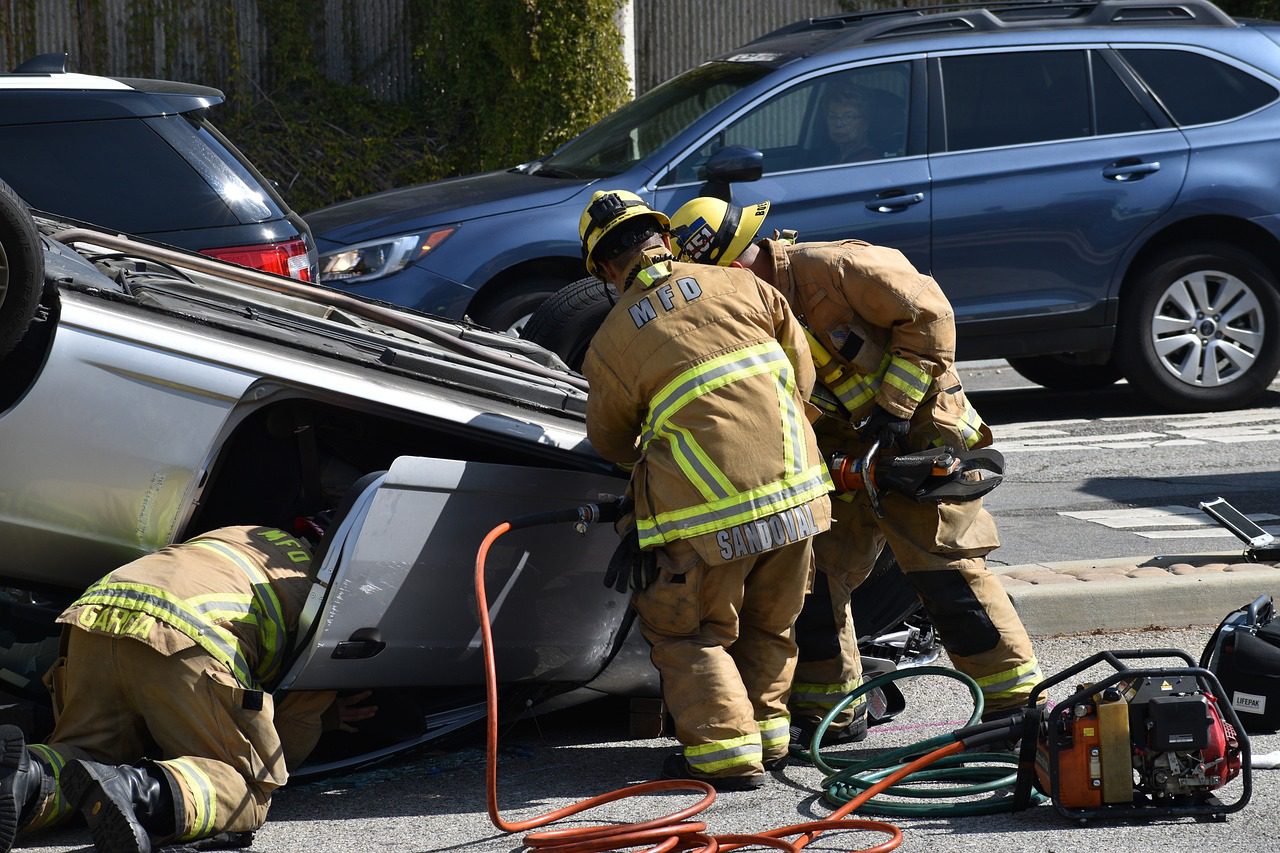
Baltimore roads have their own personality
Anyone who drives in Baltimore knows the vibe changes fast. Tight lanes. Sudden merges. Double-parked delivery vans. A normal commute can turn into a weird obstacle course, especially around downtown corridors and major routes feeding the city.
When a crash happens, the legal and insurance process looks similar to other places, but local reality shapes the evidence. Camera footage might exist from nearby businesses. Police response times vary. Medical treatment may span multiple providers. And insurance disputes often revolve around fault, speed, and lane positioning.
Injury claims don’t rise or fall on drama, but on details
People think big cases are built on big injuries alone. Not really. They’re built on proof.
Baltimore cases often hinge on:
- Immediate documentation of the scene
- Consistent medical treatment
- Clear explanation of how symptoms developed
- Evidence that supports liability
- Clean records around work loss and daily limitations
If a claim becomes contentious, the insurer will look for gaps. They’ll ask why there wasn’t a doctor visit sooner. They’ll question whether pain is related. They’ll look at prior medical history. None of that is automatically fatal to a case, but it does require careful handling.
Choosing the right kind of help
Not every attorney is a good fit for every case. Some firms are built for volume. Some are built for intensive investigation. Baltimore personal injury work often benefits from attorneys who understand local court rhythms, typical defense strategies, and how insurers evaluate claims coming out of Maryland.
If you want a realistic sense of what an auto-injury case process looks like from intake through resolution, reading a practice overview like a personal injury lawyer Baltimore locals trust can help map the steps, the expected documentation, and the decision points.
The mistake that quietly ruins leverage
The fastest way to weaken a claim is to treat medical care casually. Skipping follow-ups because “it’s probably fine” is understandable. But it creates a gap the insurer can exploit.
That doesn’t mean chasing unnecessary treatment. It means being consistent, honest, and well-documented. If pain is real, treat it. If it improves, great. Document that too.
Also, keep a daily impact log. What chores got harder? What workouts stopped? What sleep changes happened? Those aren’t just feelings. They’re functional damages.
If you want a plain-language explanation of how to protect legal rights after a crash, this guide on protecting legal rights after a car accident fits the same theme without feeling like a textbook.







Comment