
Back to School, Back to Hope: How War-Affected Children Are Returning to Classrooms

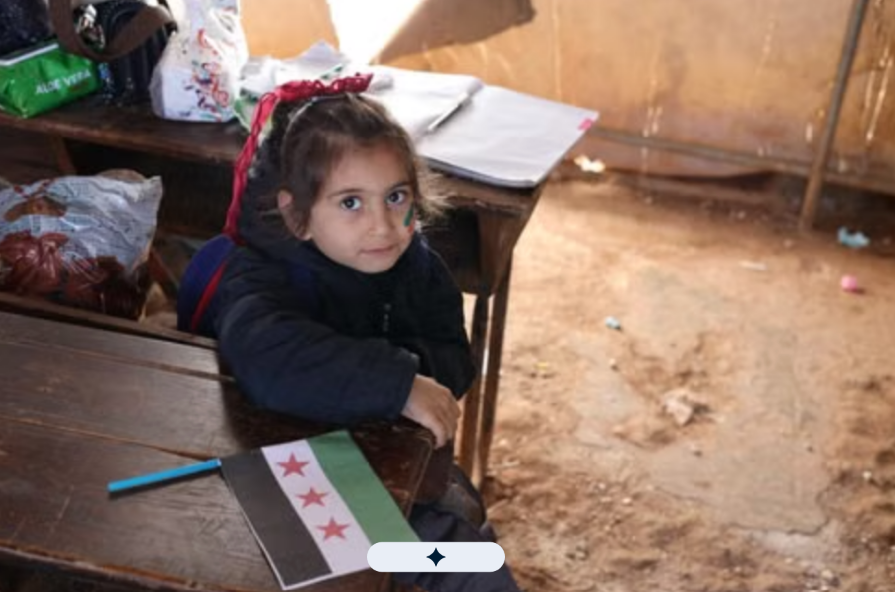
For children affected by conflict, returning to school can mean much more than sitting in a classroom again. It can restore a daily routine, reconnect children with teachers and peers, and create a pathway back to learning after months or years of disruption.
In Gaza, UNICEF and its partners launched a Back to Learning programme in 2026 to expand non-formal education while working towards bringing children back to in-person learning. UNICEF reported that 135,462 children were learning in 111 temporary learning spaces, with the programme aiming to reach 336,000 school-age children during 2026.
For War Child Canada, restoring education is part of a wider effort to help children and families affected by conflict access the support they need. For back-to-school programs for refugee children, this can mean addressing displacement, learning loss, safety, and other barriers that prevent children from returning to education.
#1 Removing barriers that prevent children from returning.
Conflict can force families from their homes, interrupt schooling, and make familiar routes or facilities unsafe. Displaced children may also arrive in communities where schools have limited capacity or where they have missed significant portions of their education.
This makes refugee education access more complicated than simply providing a classroom. Children may need learning materials, safe facilities, trained teachers, and support to re-enter education after prolonged disruption.
UNESCO reports that more than half of school-aged refugee children are out of school, while learning conditions can remain challenging for those who do attend.
#2 Helping children recover missed learning.
A child who has missed months or years of school cannot always return to a conventional classroom and immediately follow the same curriculum as their peers. Accelerated and catch-up learning can provide a bridge between prolonged disruption and formal education.
Condensed curricula and targeted catch-up classes can help children cover missed material while working towards re-entering formal education. This approach is particularly relevant to school reintegration for displaced children, because returning to school also requires a realistic way to address learning gaps.
The goal is not simply to put children back into classrooms. It is to give them a practical pathway for continuing their education.
#3 Bringing learning closer to children when classrooms are unavailable.
Returning to school does not always begin with a permanent school building. Temporary learning spaces, community-based education and other alternative approaches can give children opportunities to continue learning when conventional facilities are unavailable or unsafe.
In Gaza, UNICEF has used temporary learning spaces to provide core learning in mathematics, reading, writing and science, alongside recreational activities and support for children’s safety and mental health.
Alternative delivery can also make education possible when travelling to a formal school is difficult. In the Democratic Republic of the Congo, for example, radio-based education has been used to help children learn closer to where they live rather than making potentially dangerous journeys to formal schools.
These approaches help maintain continuity when returning to a conventional classroom is not immediately possible.
#4 Creating safe spaces where children can learn and reconnect.
Education can provide structure when conflict has disrupted everyday routines. A consistent learning environment can also give children opportunities to interact with peers, reconnect with teachers, and participate in activities that support their wellbeing.
UNICEF describes education in emergencies as providing stability and structure, while learning spaces can offer protection and access to mental health and psychosocial support.
This makes returning to learning about more than academic progress. A safe and consistent place to learn can help children reconnect with others and regain elements of normalcy after prolonged disruption.
#5 Building the conditions that make returning possible.
Getting children into a learning environment is only one part of education recovery. They also need appropriate learning materials, trained teachers, safe facilities, and protection from risks that could interrupt their education again.
This includes safe learning spaces, teacher training, learning materials, water and sanitation facilities, child protection, and support for education systems.
A return to school is therefore a process rather than a single event. Children need a pathway back into learning, support to address missed education and an environment that makes continued participation possible.
Closing Thoughts
For children affected by war and displacement, returning to education can mark an important step towards rebuilding everyday life. It may begin in a temporary learning space, through catch-up classes or through another form of learning delivered closer to where families have settled.
What matters is creating a realistic pathway from disruption back to education. When children can access learning, reconnect with teachers and peers, and receive the support needed to continue, returning to school becomes more than an academic milestone. It can help restore routine, connection, and a sense of possibility for the future.






Comment