As Australian homeowners seek innovative ways to combat rising energy costs and optimize their outdoor living areas, the demand for modular, high-performance shading solutions has skyrocketed. While traditional brick-and-mortar extensions or custom-built verandas can drain your bank account and tie up your property in months of construction, awning kits in Australia have emerged as the premier alternative.
Engineered to endure the country’s notoriously volatile weather patterns, these pre-designed systems provide an elegant balance of architectural flair and structural utility. Whether your goal is to slash your summer cooling bills, shield your front entry from torrential downpours, or create a stylish focal point on your home’s facade, modern DIY awning kits deliver a premium result at a fraction of the cost of a bespoke build.
What Exactly Are Architectural Awning Kits?
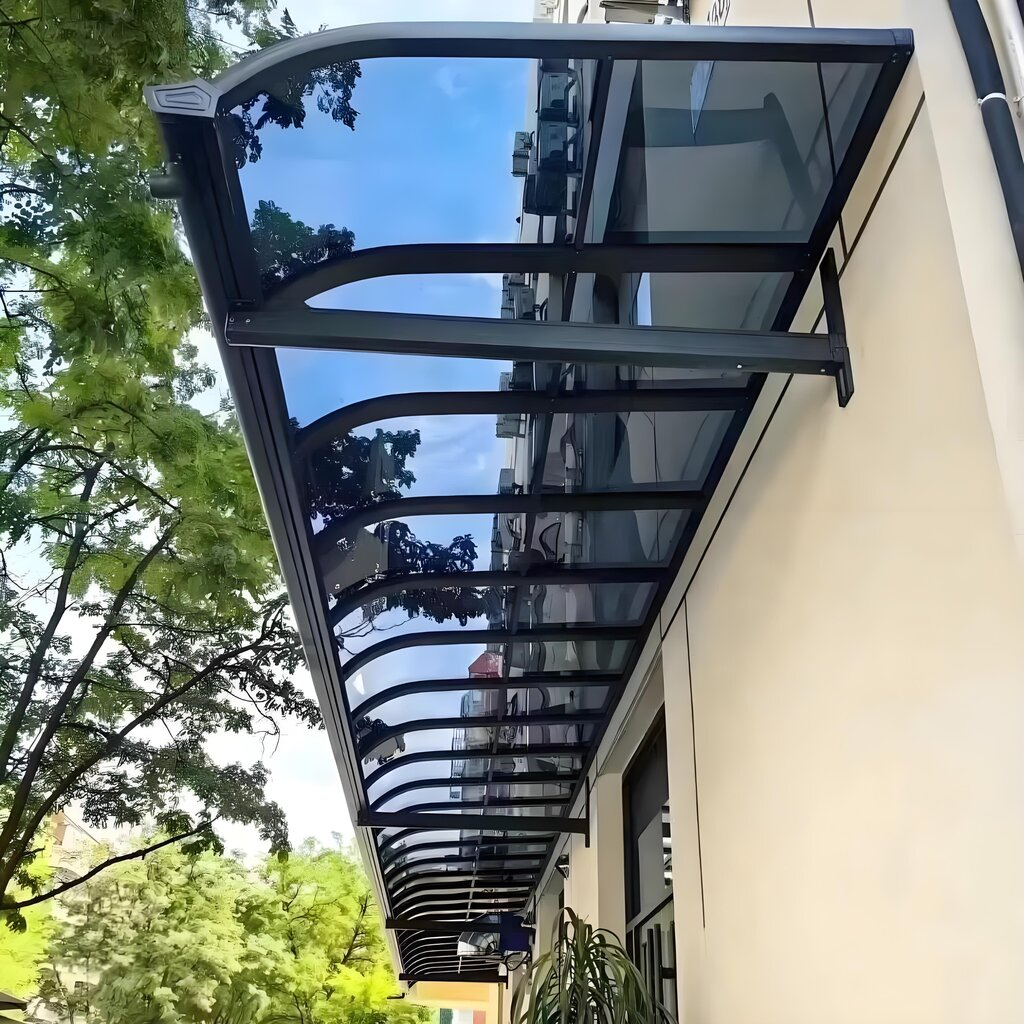
In contemporary residential design, an awning kit is a comprehensive, pre-engineered structural package containing all the specialized components required to erect a permanent exterior shading overhead. Far from the flimsy, canvas roll-out products of the past, today’s structural awning kits feature rigid, architectural-grade skeletons paired with high-impact protective roofing sheets.
When you purchase a engineered kit, the heavy lifting of the fabrication process has already been handled for you. Every rafter, beam, wall plate, and mounting bracket arrives at your door pre-cut, pre-drilled, and finished to precise millimetre specifications.
Core Attributes of Premium Kits:
- Plug-and-Play Architecture: No specialized onsite welding, cutting, or engineering calculations are required.
- Intuitive Fastening Systems: Kits include heavy-duty masonry anchors, timber coach screws, and leak-proof structural fasteners.
- Climate-Adaptive Engineering: Engineered specifically to meet or exceed strict Australian Building Codes (AS/NZS).
- Scalable Geometry: Available in standard modular widths or easily customized configurations to wrap perfectly around structural corners.
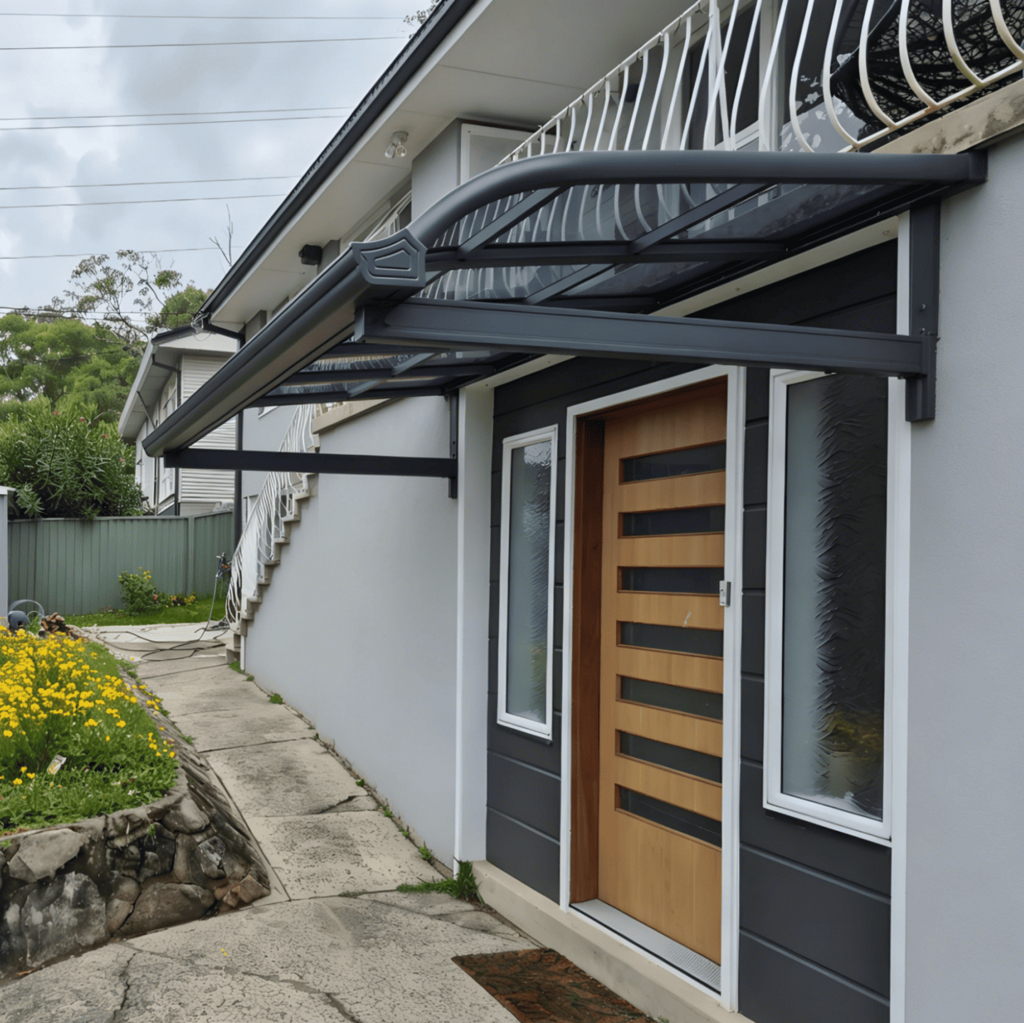
Why Australian Conditions Demand Engineered Awning Kits
The Australian climate is uniquely brutal on residential exteriors. Homeowners face an unrelenting cycle of blistering ultraviolet (UV) radiation, corrosive coastal humidity, sudden golf-ball-sized hailstorms, and whipping structural wind loads. A standard “off-the-shelf” shade structure built from inferior materials will rapidly fade, warp, rust, or buckle under these intense pressures.
1. Absolute Immunity to Rust and Corrosion
Premium awning systems are constructed predominantly from high-tensile, structural-grade aluminium. Unlike iron or low-grade steel, aluminium naturally develops a protective microscopic oxide layer when exposed to air. This makes aluminium awning kits fundamentally immune to rust and atmospheric corrosion. Whether your home sits directly on a high-salinity beachfront or in a high-humidity tropical zone, an aluminium frame will retain its structural integrity and aesthetic perfection for decades without degrading.
2. Radical Reductions in Solar Heat Gain
The sun’s energy passing through unprotected window glass is the leading cause of indoor heat retention during an Australian summer. When raw sunlight strikes a window pane, it transforms into radiant heat, trapping warm air inside your home like a greenhouse and forcing your air conditioning unit to work double-time.
By strategically positioning a high-performance window awning, you physically intercept solar radiation before it ever touches the glass. This physical barrier can drop internal room temperatures by several degrees, significantly lowering your seasonal energy consumption and household carbon footprint.
3. Ultimate Impact and UV Filtration
The overhead panels included in modern kits are generally crafted from multi-walled or solid polycarbonate sheeting. This material is an engineering marvel: it is virtually unbreakable, possessing an impact resistance up to 250 times greater than standard glass.
Co-extruded with advanced UV-blocking chemicals, these panels screen out up to 99% of dangerous ultraviolet rays while allowing soft, ambient natural light to filter through. Your carpets, artwork, and timber floorboards remain fully protected against sun bleaching, and your eyes are shielded from harsh outdoor glare.
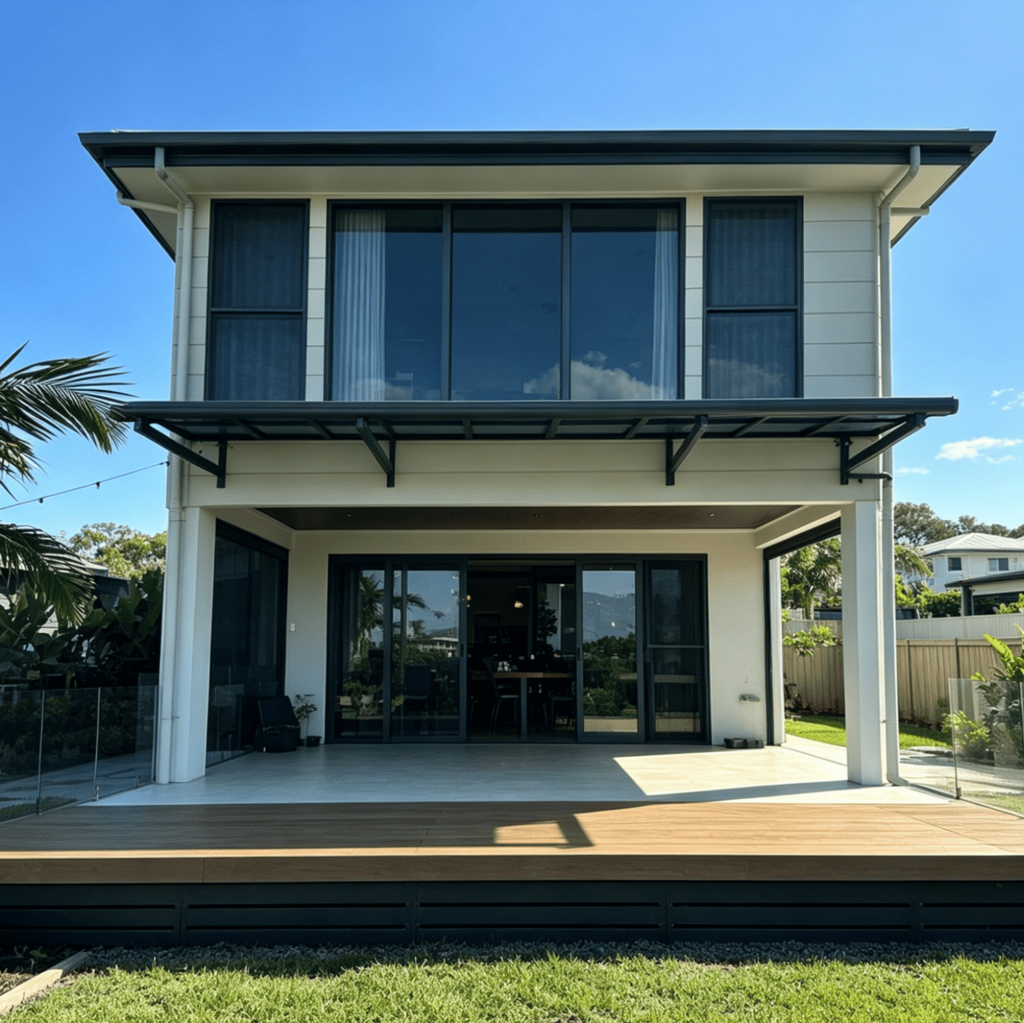
Exploring the Primary Variations: Window vs. Door Awnings
Awning kits are incredibly versatile, but choosing the right configuration depends entirely on the specific layout and functional demands of your home’s exterior wall space.
The Specialized Window Awning
A window awning is explicitly engineered to optimize shade angles over vertical glass openings. These kits typically feature a more pronounced downward pitch or a deeper projection to ensure that even when the sun is at its lowest mid-afternoon point, the glass remains completely enveloped in shade.
Beyond its thermal properties, a beautifully matched set of window awnings breaks up flat, boring external walls, introducing depth, shadow lines, and sophisticated street appeal that can instantly elevate your property’s market valuation.
The Heavy-Duty Door Awning
A door awning serves a very different, highly practical operational purpose. Installed directly over front entryways, French doors, sliding back patio doors, or garage access points, a door awning creates an immediate, weather-protected porch environment.
Imagine standing at your front door during a sudden winter downpour, fumbling through your bags for your house keys—a rugged door awning keeps you completely dry. Furthermore, it protects expensive solid-timber entry doors, smart locks, and security intercom systems from being directly battered by wind-driven rain, preventing warping, wood rot, and water ingress through the door seals.
Comprehensive Structural Comparison: Selecting Your Toolkit
When analyzing the awning kit market, it helps to understand how different styles compare across performance metrics, price brackets, and architectural styles.
| Awning Style | Primary Structural Materials | Ideal Use-Case Scenario | Maintenance Profile | Visual & Architectural Vibe |
| Traditional Timber/Fabric | Hardwood frame, acrylic or canvas canvas cover. | Heritage homes, classic cottages, traditional villas. | High; requires frequent washing, re-staining, and fabric replacement. | Rustic, warm, classic Australian homestead look. |
| Modern Aluminium & Polycarbonate | Powder-coated aluminium framework, solid polycarbonate sheeting. | High-performance window awning or door awning applications. | Extremely low; basic occasional water rinse to clear debris. | Minimalist, industrial-sleek, ultra-modern architectural profile. |
| Heavy-Duty Colorbond Steel | Galvanised Colorbond steel sheets and structural brackets. | Industrial sheds, commercial entryways, rural properties. | Low; periodic check for leaf litter accumulation in corners. | Robust, utilitarian, exceptionally rugged and stark. |
Navigating the DIY Assembly Process: Pro-Tips for Success
The driving force behind the massive surge in kit sales across Australia is the profound financial savings realized by avoiding professional building contractor rates. However, turning a crate of components into a flawlessly leveled, structural masterpiece requires a methodical approach.
Pre-Installation Site Auditing
Before unboxing your kit, you must analyze the structural composition of the wall you intend to mount it to. A cantilevered awning exerts a significant amount of leverage and structural load on its wall plates, especially when subjected to upward wind gusts.
- Brickwork / Masonry: Ensure you are anchoring directly into solid, structural brick or concrete blocks—never attempt to anchor primary brackets into weak mortar lines.
- Timber Framing: If your home features weatherboard or cladding, you must locate the internal structural wall studs or horizontal noggings using a high-quality stud finder. Your mounting lag screws must bite deeply into solid timber framing to remain safe.
The Value of a Second Set of Hands
While a compact door awning can occasionally be handled by an experienced solo builder, larger window or patio awnings involve lifting long, awkward perimeter beams and flexible roofing panels overhead. Do not attempt to tackle this alone. Having a capable helper to hold components steady while you check for level and drive in the primary structural fasteners makes the process significantly safer, faster, and infinitely more precise.
Ensuring Flawless Drainage and Sealing
Water is the ultimate enemy of residential construction. When installing your awning, pay close attention to the junction where the awning’s main wall plate meets your house wall. Always apply a generous, continuous bead of premium, external-grade, neutral-cure silicone sealant along this seam. This prevents rainwater from trickling down behind the bracket, safeguarding your internal plaster walls from hidden leaks and structural moisture damage.
Understanding Local Regulations and Council Approvals
A common source of confusion for Australian homeowners revolves around whether a new window awning or door awning requires formal approval from local government councils.
Fortunately, because most DIY awning kits feature a compact footprint and are cantilevered directly off existing structural walls without the need for ground-penetrating vertical posts, they frequently fall under the classification of Exempt Development or Low-Impact Minor Works.
However, strict exemptions are highly localized and can vary depending on your specific state or municipal council rules. Regulations are typically triggered if your property falls under any of the following categories:
- Heritage Conservation Zones: Homes located in historic suburbs may face strict guidelines regarding the color, material, and visual profile of any street-facing modifications.
- Boundary Line Setbacks: If your intended awning projects significantly outward and encroaches too close to your property boundary line or a shared council easement, a formal building application may be required.
- Bushfire Attack Levels (BAL): If you reside in a high-risk, fire-prone bushland area, the polycarbonate or aluminium components used must meet specific fire-retardant and ember-protection compliance ratings.
Rule of Thumb: Spend ten minutes browsing your local council’s online development portal or speak directly with a private certifier before completing your purchase. Having your kit’s engineering drawings on hand makes this verification process incredibly straightforward.
Essential Long-Term Maintenance for Lifelong Durability
One of the most attractive attributes of an aluminium awning kits investment is its remarkably hands-off operational profile. Unlike high-maintenance timber structures that demand endless sanding, priming, and painting, an engineered metal and polycarbonate system can easily last 20 to 30 years with just a tiny amount of routine care:
- The Bi-Annual Soft Wash: Every six months, give your awning a thorough rinse with a standard garden hose. For stubborn bird droppings, salt crusting, or windblown dust, wipe the surfaces down using a soft microfiber cloth or sponge dipped in warm, soapy water (a mild dishwashing liquid works perfectly). Never use abrasive scrubbing pads, harsh chemical solvents, or high-pressure spray guns at close range, as these can permanently score the specialized anti-UV coating on the polycarbonate panels.
- Clear the Leaf Recesses: Periodically check the rear drainage channel or small internal gutters built into the awning frame. Clear out any trapped twigs, leaves, or organic debris to ensure rainwater can cascade away freely without backing up toward your home’s exterior cladding.
- The Annual Torque Inspection: Once a year, take ten minutes to perform a structural check of the primary mounting hardware. Use a wrench or socket set to verify that seasonal wind vibrations and natural home settling haven’t loosened the primary masonry anchors or timber lag screws. Tighten as necessary to maintain maximum structural rigidity.
Summary: Is an Awning Kit the Right Move for Your Home?
If you are looking for a practical, highly visual home upgrade that offers genuine utility, an awning kit is a clear winner. It perfectly bridges the gap between low-quality, temporary pop-up shelters and the exorbitant expense of a full custom architectural remodel. By selecting an option engineered with a premium aluminium chassis and impact-resistant polycarbonate roofing, you ensure your home is fully equipped to handle whatever the volatile Australian climate delivers.
Take the look of your property into your own hands, increase your outdoor living comfort, protect your entryways, and transform your driveway or facade today with a beautiful, high-performance DIY awning kit.