Key Highlights
- AI video analytics uses artificial intelligence to transform standard cameras into smart, proactive sensors.
- The technology learns and adapts over time through machine learning, constantly improving its accuracy and capabilities.
- It provides real-time alerts for security incidents and operational issues, enabling faster responses.
- By analysing video feeds automatically, it saves significant time compared to manual review processes.
- Organisations gain actionable insights to enhance safety, boost operational efficiency, and understand customer behaviour.
- Modern systems are scalable and can integrate with existing camera hardware, avoiding costly replacements.
Introduction
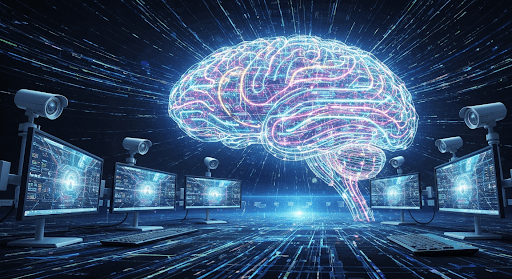
Welcome to the future of video surveillance, where your cameras do more than just record. AI video analytics is revolutionising how we interpret video content. Instead of relying on someone to watch screens around the clock, artificial intelligence can automatically analyse video streams to detect important events, identify objects, and uncover trends. This guide explores how adaptive AI video analytics works, its key features, and how it delivers powerful intelligence to improve both security and business operations.
AI Video Analytics That Learns and Adapts Over Time – 12 Key Features Transforming Video Intelligence
True video intelligence goes beyond simple motion detection. Modern AI video analytics leverages machine learning to create systems that not only see but also understand and learn. This adaptive capability means the technology gets smarter and more accurate as it processes more video data.
This ability to evolve is what sets advanced systems apart, turning passive video analysis into a dynamic, proactive tool for your organisation. The following features highlight how this technology is transforming security and operational oversight in real time.
1. Self-Learning and Adaptive Intelligence
At the heart of adaptive AI are powerful self-learning capabilities. These video analytics systems use sophisticated machine learning algorithms and neural networks to analyse video footage. As the system processes more data, its AI models become better at distinguishing between normal activity and genuine events of interest. This continuous learning process helps reduce false positives that might occur due to poor lighting or unusual camera angles.
This adaptive intelligence means your system doesn’t remain static. It learns the specific patterns of your environment, whether it’s a busy warehouse floor or a quiet retail space after hours. Over time, it refines its understanding of what constitutes a threat, an operational bottleneck, or a valuable piece of business intelligence.
This is fundamentally different from traditional systems that rely on rigid, pre-programmed rules. The self-learning nature ensures that your video analytics work becomes more tailored and effective for your unique needs, providing increasingly reliable insights without constant manual recalibration.
2. Real-Time Detection, Alerts, and Automated Analysis
One of the most significant advantages of adaptive AI is its ability to perform automated analysis in real time. Instead of waiting for a person to review hours of footage after an incident, the system analyses live video feeds as they happen. When it detects a predefined event, it can instantly alert security personnel or managers.
This immediate notification dramatically shortens response times, allowing your team to act quickly. Whether it’s an unauthorised person entering a restricted area or a safety hazard on a factory floor, real-time alerts make a proactive approach possible. You can move from simply recording events to preventing them from escalating.
The system can be configured to flag various incidents, including:
- An intruder crossing a virtual perimeter after hours.
- A vehicle loitering in a sensitive area for too long.
- Unsafe behaviour, such as a forklift operating too close to pedestrians.
3. Scalable and Integrated Video Processing Infrastructure
As your organisation grows, your security and operational needs expand. A key feature of modern AI video analytics software is its scalability. Cloud-first or hybrid architectures allow you to connect an unlimited number of cameras across multiple sites, all managed from a single, unified platform. This means you can scale your system seamlessly without worrying about outgrowing your infrastructure.
Many advanced systems are also camera-agnostic. This is a crucial feature, as it means you can often integrate the technology with your existing camera hardware, whether they are CCTV or IP cameras. This protects your current hardware investment and avoids the high cost and disruption of a complete “rip-and-replace” project.
This integration extends to other platforms as well, such as video management systems (VMS). By connecting with your existing security ecosystem, the video analytics software can enhance your capabilities without requiring a complete overhaul of your current operational workflows, making it easier to manage all your video streams.
4. Privacy, Security, and Data Governance
While AI offers powerful capabilities, it also brings important responsibilities regarding privacy and security. A robust AI video analytics platform should be built with strong security measures to protect your video data from unauthorised access. This includes features like end-to-end encryption and two-factor authentication to ensure only authorised personnel can view sensitive footage.
Good data governance is also essential. This involves setting clear policies for how long video surveillance footage is stored and who has access to it. While the technology provides the tools, your organisation remains responsible for adhering to privacy best practices and relevant regulations.
Key considerations for privacy and security include:
- Ensuring staff are properly trained on how to interpret AI alerts and handle sensitive data.
- Implementing clear data retention policies to manage the lifecycle of your video footage.
5. Actionable Insights and Industry-Specific Applications
Beyond security, AI video analytics excels at turning raw video data into actionable insights that can drive business decisions. The system can be trained to identify specific objects, behaviours, and patterns relevant to your operations. This allows you to gather intelligence that was previously impossible to obtain without significant manual effort.
For example, retailers can analyse customer traffic patterns to optimise store layouts, while manufacturers can monitor production lines for quality control. This ability to tailor the analysis for various industries makes the technology incredibly versatile. It transforms your camera network from a simple security tool into a source of valuable business intelligence.
The applications are diverse, providing value across many sectors.
| Industry | Application of AI Video Analytics |
| Retail | Analyse customer behaviour, measure dwell times, and optimise store layouts and queue management. |
| Manufacturing | Monitor for safety compliance (e.g., hard-hat detection) and ensure quality control on production lines. |
| Education | Improve campus security, monitor for unauthorised access, and reduce incident response times. |
| Logistics | Track assets, analyse traffic flow in warehouses, and identify near-miss safety incidents. |
How AI Video Analytics Differs from Traditional Methods
The shift to intelligent video analytics marks a significant evolution from traditional methods of surveillance. In the past, video content analysis was a manual and reactive process, requiring staff to physically watch screens or sift through hours of video footage to find a specific event. This approach was inefficient and prone to human error.
Modern AI systems, powered by deep learning and machine learning, automate this entire process. They proactively analyse footage to identify events as they happen, transforming video surveillance into a source of real-time intelligence. This fundamental difference is explored in more detail below.
Automated Versus Manual Video Review
The most striking difference between AI-powered systems and traditional surveillance is the move from manual review to automated video analysis. Manual review is labour-intensive, costly, and often ineffective. A person can only focus on a limited number of screens at once, and fatigue can easily lead to missed incidents. Finding a specific event can feel like searching for a needle in a haystack.
In contrast, automated systems can monitor hundreds of cameras simultaneously without getting tired or distracted. They use algorithms to flag only the moments that matter, freeing up your staff to focus on responding to incidents rather than searching for them. This shift drastically improves efficiency and enhances your security posture.
The difference in video intelligence and effectiveness is clear when comparing the two methods.
| Feature | Manual Video Review | Automated AI Analysis |
| Speed | Slow; requires hours to review footage. | Fast; provides real-time alerts and instant search. |
| Accuracy | Prone to human error and fatigue. | Consistent and highly accurate, with improving models. |
| Scalability | Limited by the number of staff available. | Easily scalable across hundreds or thousands of cameras. |
| Cost | High labour costs for 24/7 monitoring. | Lower operational costs by reducing manual effort. |
Machine Learning for Evolving Threat Detection
A core reason AI video analytics is so effective is its use of machine learning for threat detection. Unlike older systems based on rigid rules, machine learning models can identify complex patterns and behaviours that might indicate a threat. This allows the system to detect not just what it has been explicitly programmed to find, but also new or unusual activities.
Powered by deep learning, these systems analyse video feeds by breaking them down into individual frames and identifying objects, people, and movements. As the models process more data, they learn to differentiate between a genuine threat, like someone climbing a fence, and a false alarm, like a tree branch moving in the wind.
This adaptive learning process is how video analytics work to stay ahead of evolving threats. The system continually refines its understanding of what is “normal” for a given scene, making it better at spotting anomalies over time. This creates a more intelligent and proactive security shield for your organisation.
Benefits of AI Video Analytics for Security and Beyond
The implementation of AI video analytics offers a wide range of benefits that extend far beyond traditional security. By turning standard security cameras into intelligent sensors, the technology enhances safety, improves operational efficiency, and delivers valuable business insights. This helps organisations make smarter, data-driven decisions across the board.
From reducing incident response times with real-time alerts to optimising resource allocation, the actionable insights generated from video surveillance create measurable value. Let’s examine some of these key benefits more closely.
Improved Response Times and Incident Prevention
When a security incident occurs, every second counts. AI video analytics provides instant alerts that enable security personnel to take immediate action. This dramatically improves response times compared to manual monitoring, where an incident might not be discovered for hours. Faster responses can mean the difference between a minor issue and a major crisis.
This proactive approach also shifts the focus from merely documenting incidents to active incident prevention. By identifying suspicious behaviour, such as loitering near a secure entrance or a vehicle circling a car park, the system can flag potential threats before they escalate. This allows your team to intervene and deter unwanted activity.
Ultimately, this capability creates a safer environment for everyone. Whether it’s preventing theft in a retail store or ensuring employee safety in a factory, the ability to respond instantly gives you greater control over your premises and helps you build a more robust security posture.
Greater Operational Efficiency and Resource Savings
Automating video surveillance provides significant resource savings and boosts operational efficiency. By reducing the need for staff to constantly monitor live feeds or review footage, you can reallocate your team’s time to more strategic tasks. Video analytics systems work around the clock, providing consistent oversight without the high labour costs associated with 24/7 manual monitoring.
This efficiency extends beyond security. The insights generated can help you streamline workflows, optimise staffing levels, and improve processes in various parts of your business. For instance, you can analyse traffic flow to identify bottlenecks or use the system to ensure compliance with operational protocols.
Key areas where you can achieve greater efficiency include:
- Automated Quality Control: Detecting product defects on a production line without manual inspection.
- Workflow Optimisation: Identifying inefficiencies in warehouse operations or customer service lines.
- Compliance Monitoring: Ensuring staff adhere to safety protocols, like wearing personal protective equipment.
Conclusion
In conclusion, AI video analytics represents a groundbreaking advancement in how we interpret and respond to visual data. By harnessing self-learning and adaptive intelligence, these systems continuously evolve, ensuring they remain effective against emerging threats. The ability to provide real-time detection and actionable insights empowers organisations across various sectors to enhance their security measures, streamline operations, and ultimately improve safety outcomes. As businesses increasingly recognise the value of data-driven decisions, integrating AI video analytics can be the key to staying ahead of potential challenges. If you’re ready to explore how these innovative solutions can transform your security strategy, get a free consultation today!
Frequently Asked Questions
How does AI video analytics work and learn over time?
AI video analytics uses machine learning to process video content by analysing individual video frames. The AI models identify objects, patterns, and behaviours. Over time, as these models process more data, they learn and adapt, becoming more accurate at distinguishing normal activity from important events, thereby improving their performance.
Can AI video analytics identify suspicious behaviour in real time?
Yes, absolutely. Video analytics systems are designed to analyse footage from surveillance cameras in real time. When the system detects predefined suspicious behaviour, like loitering or unauthorised entry, it instantly sends an alert to security personnel. This capability significantly reduces response times and enables proactive intervention.
What industries benefit most from adaptive AI video intelligence?
Various industries leverage adaptive video intelligence. Retailers use it to understand customer behaviour and optimise store layouts. Manufacturing facilities improve quality control and worker safety. Smart cities manage traffic flow and enhance public safety. Healthcare settings also benefit by monitoring for patient safety and improving operational workflows.