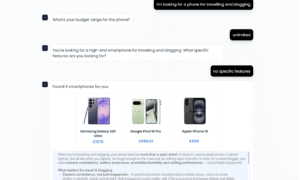
Online shopping is moving from a search-led experience to a recommendation-led experience. In the past, consumers usually began with a clear intention. They opened a retail site, typed in the name of a product, compared a few options, read reviews and made a decision. Today, that journey often starts much earlier and in a less obvious way. A shopper may see a product in a social media feed, receive a personalised email, notice a search ad, click a product comparison article or be shown a related item before they have fully decided what they need. Artificial intelligence, recommendation engines, retargeting systems, price alerts and browser tools are all shaping the path to purchase. This has made online shopping faster and more convenient, but it has also made the buying process more complex. Consumers are no longer simply choosing from what they search for; they are responding to what platforms predict they might want.
I noticed this most clearly while shopping for ordinary tech accessories. I once went online to buy a simple phone stand for my desk. Within minutes, the platform began recommending wireless chargers, cases, cable organisers, cleaning kits, laptop risers and portable lights. Each product looked useful enough, and none of them seemed especially expensive. That is what makes recommendation-driven shopping so effective. It does not always push one large purchase. Instead, it encourages small additions that feel logical because they are connected to the original item. I later realised that most of those products were not necessary for the problem I was trying to solve. Now I follow a more deliberate order before buying. First, I define the actual use case. Then I check compatibility, price range, reviews, delivery conditions and return options. Only after that do I look at resources such as RabattInfluencer to see whether there is any useful information before checkout. Keeping that step near the end helps ensure that the purchase is led by need rather than by the momentum of recommendations.
For businesses, AI-powered shopping recommendations can be extremely valuable when used responsibly. They help retailers surface relevant products, reduce search friction and create a more personalised customer experience. A consumer looking for a laptop may appreciate being shown compatible accessories, warranty options or software that genuinely supports the purchase. A customer buying home technology may benefit from clear suggestions about devices that work together. The problem begins when recommendation systems prioritise short-term basket growth over long-term trust. If shoppers feel that every page is trying to push extra products, the experience can become tiring. If recommendations are poorly matched, repetitive or too intrusive, they may create the impression that the retailer understands the algorithm better than the customer. Trust is especially important in categories such as consumer technology, fintech tools, smart home devices and digital subscriptions, where buyers need to think about compatibility, data privacy, warranty support, updates and long-term value. A low price or well-timed recommendation may attract attention, but clear information is what gives consumers confidence.
The next stage of ecommerce will likely be shaped by the balance between automation and consumer control. AI can make shopping more intelligent, but intelligence should not mean constant persuasion. The strongest digital experiences will help people make better decisions, not just faster ones. That means showing relevant details at the right time, explaining product differences clearly, making pricing transparent and allowing shoppers to pause rather than rush. Consumers are becoming more aware of how digital platforms influence their behaviour, and many are learning to slow the process down. Saving carts, comparing across sites, checking return policies and waiting before buying are all ways to regain control. For retailers and technology companies, this shift should be seen as an opportunity. Customers who feel respected are more likely to return, even if they do not buy immediately. Recommendation technology may guide the modern shopping journey, but trust, relevance and transparency will decide whether that journey ends in a purchase. The future of smart commerce will not belong only to platforms that predict what people want. It will belong to those that help people understand what is actually worth buying.