
A Comprehensive Guide To The Health Benefits Of Herbal Teas

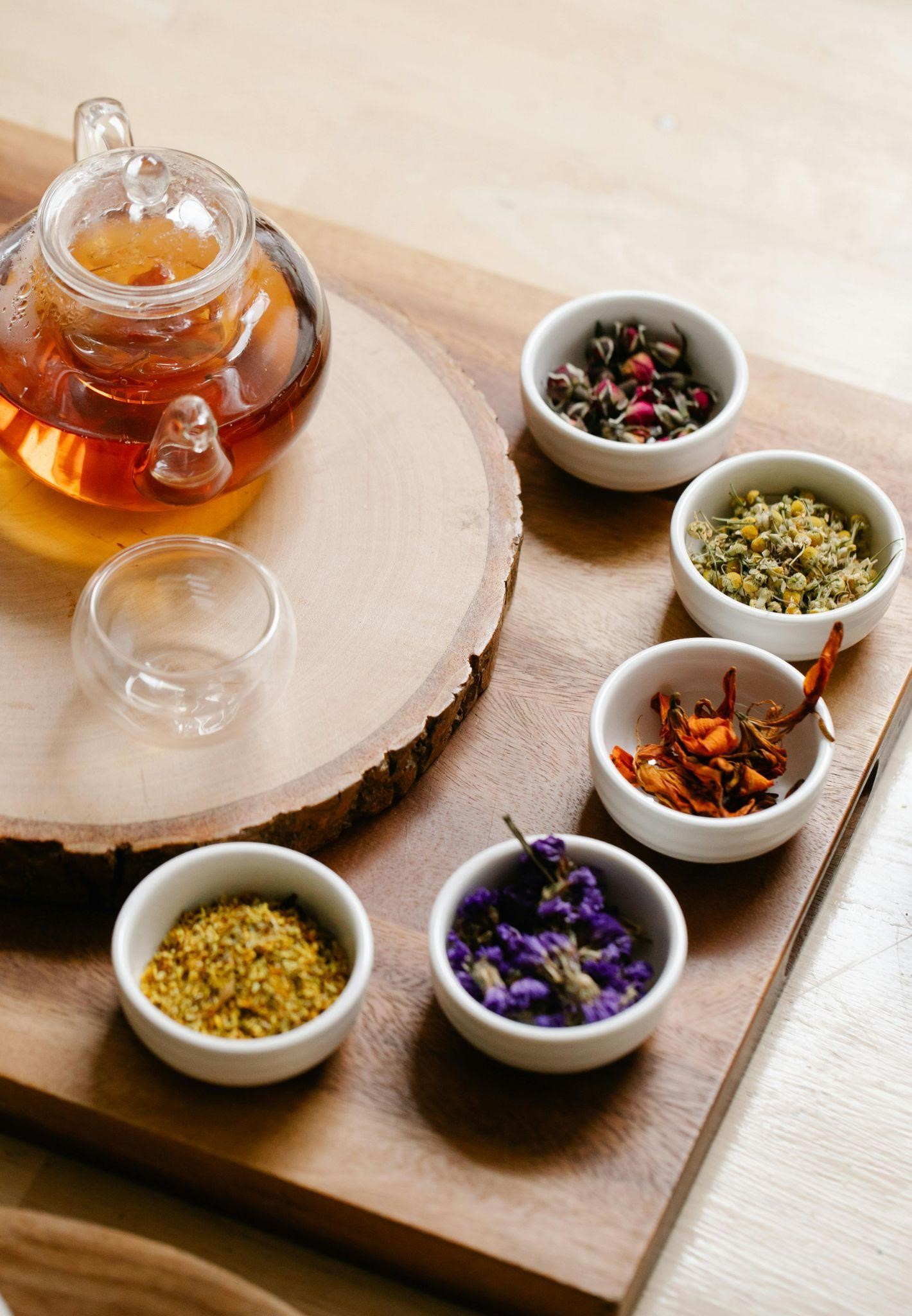
Did you realize that over 80% of the world’s tea is herbal? This surprising figure highlights the rising demand for these naturally caffeine-free brews. For hundreds of years, various societies have enjoyed them as wholesome treatments and health tonics.
Herbal teas, often called tisanes, are steeped in old customs. From Europe’s calming chamomile to South America’s vibrant yerba mate, these plant drinks are known for their health benefits.
Modern health habits lean more towards holistic methods, making herbal teas even more enticing. This guide introduces the thrilling universe of herbal teas. It examines where they come from and their striking health advantages and offers advice on making the best brew.
Understanding Herbal Teas
Herbal teas, or tisanes, don’t fall under the category of “real” teas. Why? It is due to the fact that they don’t come from the Camellia sinensis plant’s leaves. On the contrary, these non-caffeinated beverages are created by soaking dried flowers, herbs, spices, fruits, and various other plant elements in hot water.
There are many different kinds of herbal teas. Some are common, while others are unique, like kratom tea. Kratom tea has a special taste and could improve health. It’s a flexible choice that can fit easily into anyone’s routine for staying healthy.
The Origins of Herbal Teas
Herbal teas boast a deep history, tracing back to ancient civilizations. For instance, the tradition of Chinese medicine often calls for herbal teas. These help create balance in the body. Likewise, Ayurveda from India uses certain tea blends with herbs.
These help fix bodily imbalances and promote good health. Herbal teas are loved worldwide, leading to many local favorites. Like South Africa’s aromatic rooibos or South America’s invigorating yerba mate. Every culture has crafted its own special herbal tea habits and methods.
The Power of Plants: Health Benefits of Herbal Teas
Herbal teas go beyond a soothing beverage — they are like a chest filled with plant elements that could improve your health. Let’s explore how these plant-infused drinks can boost your health.
-
Relaxation and Stress Relief
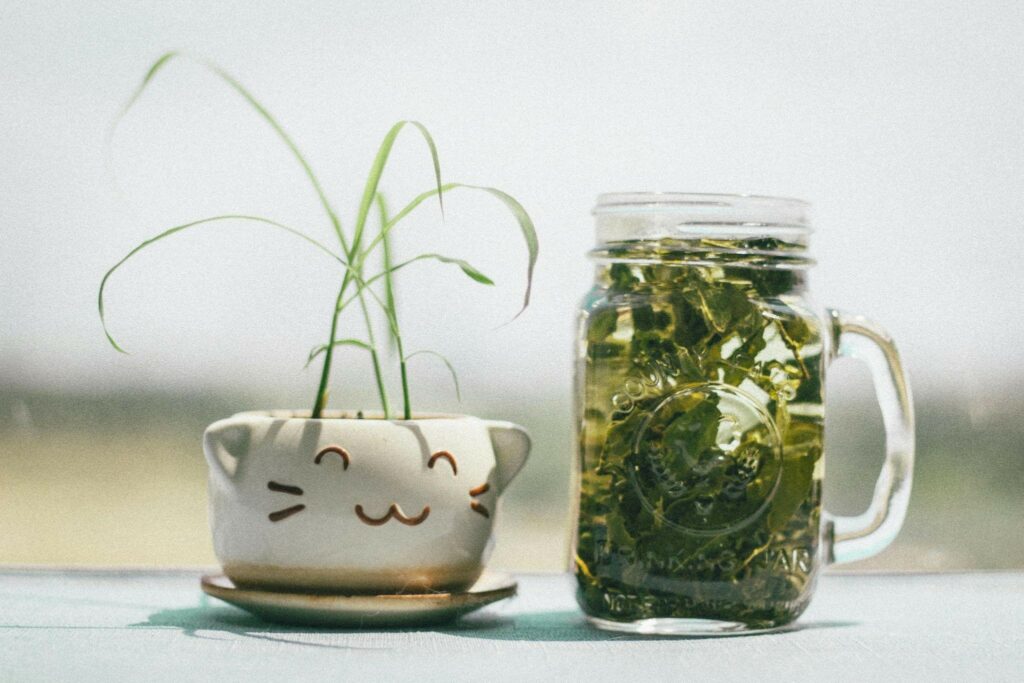 Some herbal teas are famous for their relaxing and stress-lowering benefits. Take chamomile; it’s packed with apigenin. This antioxidant latches onto particular brain receptors, encouraging calmness and lessening anxiety. Lemon balm and lavender teas provide soothing effects, too. They assist in reducing the signs of stress and anxiety.
-
Digestion and Gut Health
Several natural teas are used to aid digestion. For example, peppermint tea has menthol. This ingredient is good for relaxing the muscles in our digestive system. It helps with discomforts related to irritable bowel syndrome (IBS) and similar problems. Ginger and fennel teas are also well-known for their stomach-soothing abilities and boosting digestive health.
-
Immunity and Cold Relief
Herbal teas strengthen your immune system and ease symptoms of colds and flu. One example is elderberry tea. It’s loaded with antioxidants and vitamin C, which can boost your immune system and might even reduce the length of your cold or flu symptoms. Two other helpful teas are echinacea and ginger. They’re praised for boosting the immune system and combating inflammation.
-
Sleep and Insomnia
Some herbal teas may serve as a natural and efficient remedy for people with sleep problems. Teas like chamomile, valerian root, and lavender are known for their relaxing effects and possible improvements in sleep. Still, a healthcare expert’s advice is necessary before utilizing valerian root because it might interact with certain drugs.
Brewing the Perfect Cup: Selecting and Preparing Herbal Teas
Choosing high-quality loose-leaf teas or tea bags and brewing them well will ensure you get the most out of your herbal tea experience. You can brew a perfect cup by following these tips:
-
Choosing High-Quality Teas
Search for natural, ethically obtained herbal teas that don’t have additives or preservatives. When you can, go for teas with loose leaves because they have a more pungent taste and smell than tea bags.
-
Water Temperature and Steeping Time
The best water temperature and brewing duration can change depending on the kind of herbal tea. Usually, use water slightly cooled from boiling (about 195°F to 205°F) and brew for 5 to 7 minutes to extract the greatest taste and wellness advantages.
-
Adding Natural Sweeteners and Flavorings
Herbal teas are great on their own. But you can also have fun by adding other things. Think about natural sweeteners like honey or maple syrup. You could also try fresh citrus, spices, or different plants. It could help you make special mixes.
Safety Considerations
Although most people deem herbal teas to be safe, being aware of potential drawbacks and medicine interactions is crucial. Some herbs like valerian root could clash with specific prescriptions.
Therefore, it’s always wise to check with a health expert before introducing new herbal teas in your regular regimen. It is particularly essential if you have any existing health issues or are pregnant or nursing.
Conclusion
Herbal teas are handy and potent additions to any health routine, giving a range of perks like calmness, good digestion, and boosted immunity, among others. Knowing the roots and characteristics of these plant-made beverages, you can open a universe of natural aid for your overall health.
Maybe you need a comforting mug of chamomile before you sleep or a lively ginger tea to begin your morning; herbal teas are ready for your exploration. So, how about concocting a new favorite and uncovering the life-changing ability of these herb-filled brews today?







Comment