
Build or buy? The real three-year cost of a research robot

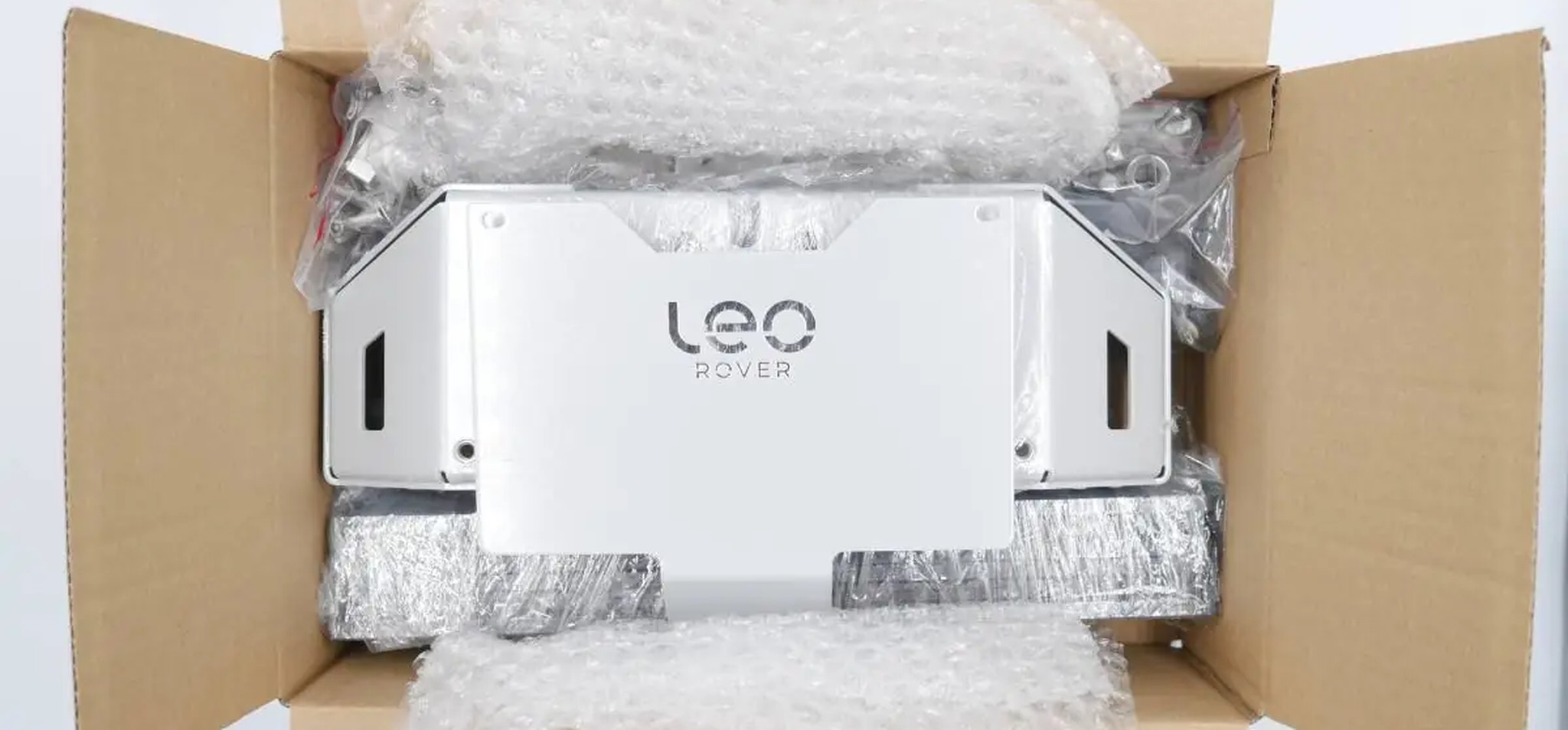
In a three-year robotics R&D project, the purchase price of a robot is only one budget line. A realistic comparison between building a platform and buying one should include hardware, engineering hours, integration, maintenance, spare parts, service and downtime.
In short: building can lower direct component cost, but it usually moves cost into labor and schedule risk. Buying concentrates spending upfront and cuts platform engineering time, while integration, testing and maintenance still need a budget.
How does the cost picture change over three years?
For grant and project budgeting, a mobile robot should be treated as a system cost, not a chassis price. A robot used for perception, autonomy, inspection, agriculture or field testing becomes a recurring engineering asset. Batteries age, connectors fail, wheels wear, firmware changes, sensors need recalibration and software dependencies move.
A useful total cost of ownership model separates money paid to suppliers from time paid to engineers. The example below is an illustrative planning model, not a market benchmark or a quote for any specific product. Every value can be replaced with local rates and real offers.
The model assumes one outdoor robot, one research team and a three-year project:
- Engineering labor rate: EUR 60 per hour as an internal loaded cost.
- Build path hardware: EUR 12,000 for motors, controllers, batteries, chassis parts, compute, wiring, enclosure, basic sensors and fabrication.
- Buy path platform: EUR 25,000 as an example budget for a ready-made research configuration, before project-specific sensors.
- Project-specific payload: EUR 5,000 on both paths for cameras, LiDAR, GNSS or other experiment equipment.
- Downtime valuation: EUR 500 per lost working day, representing delayed tests and replanning, not lost revenue.
Which cost lines decide between building and buying?
The question is not only whether the team can design a base. It is where engineering attention goes. Building a rover requires mechanical design, drivetrain sizing, power distribution, wiring, enclosure design, low-level control, safety checks, ROS 2 integration, documentation and repair procedures. Buying still requires payload integration, ROS 2 configuration, validation and field testing.
A three-year budget should cover these cost groups:
- Hardware: chassis, drivetrain, batteries, compute, sensors, payload interfaces, chargers, tools and spares.
- Labor: design, procurement, assembly, drivers, navigation setup, simulation, testing, bug fixing and documentation.
- Maintenance: wheels, bearings, cables, connectors, battery replacement, cleaning, inspections and repairs after field use.
- Service: support tickets, spare part orders, warranty handling or internal repair time.
- Downtime: days when the robot cannot collect data, show a milestone or run experiments.
The build route may start with smaller invoices and more staff time, while ready-made robotics research platforms, such as the rovers built by Fictionlab, shift more of the cost into procurement. Either way, integration and experiment-specific payloads still need their own budget line.
How do the two paths compare in numbers?
Using the assumptions above, a custom-built rover may look like this:
- Initial hardware: EUR 12,000.
- Design, assembly and bring-up: 350 h x EUR 60 = EUR 21,000.
- ROS 2 integration and validation: 180 h x EUR 60 = EUR 10,800.
- Project payload: EUR 5,000.
- Maintenance over three years: EUR 4,000 in parts plus 120 h x EUR 60 = EUR 7,200.
- Downtime: 20 days x EUR 500 = EUR 10,000.
- Three-year total: EUR 70,000.
A ready-made platform, in the same structure:
- Platform acquisition: EUR 25,000.
- Payload integration and configuration: 120 h x EUR 60 = EUR 7,200.
- ROS 2 validation and experiment setup: 100 h x EUR 60 = EUR 6,000.
- Project payload: EUR 5,000.
- Maintenance over three years: EUR 3,000 in parts plus 60 h x EUR 60 = EUR 3,600.
- Downtime: 8 days x EUR 500 = EUR 4,000.
- Three-year total: EUR 53,800.
These totals are not universal. They show how a lower hardware bill can be outweighed by engineering hours, and how a higher purchase price can be offset by shorter bring-up. The result often depends more on labor rate, field failure frequency and schedule pressure than on any single component price.
When does downtime become a real budget item?
Downtime is easy to ignore because it shows up as calendar friction rather than an invoice. It becomes visible when a broken connector cancels a field day, a controller fault blocks a demo, or an undocumented wiring change stops another researcher from reproducing a test.
It should be estimated whenever the robot is tied to shared facilities, outdoor weather windows, customer demos or grant milestones. A simple formula is enough: expected unavailable days multiplied by the internal cost of delay per day, including staff time, travel, facility booking or a missed data collection window.
Why is maintenance different from repair?
Maintenance is planned work that lowers the chance of failure. Repair is unplanned work after something has failed. The difference matters because maintenance can be scheduled into a grant work package, while repair interrupts experiments.
A maintenance plan should define what is inspected and how often: tire or track wear, battery health, fastener torque, cable strain relief, seals, sensor mounts, firmware and package versions, and cleaning after mud, dust or snow. Open mechanical and software documentation can speed up fault diagnosis, but the real effort still depends on payload, terrain and how hard the robot is used.
What should be written down before choosing a cost model?
Before comparing quotes or component carts, document the operating assumptions. This keeps the budget discussion technical and auditable:
- Operating environment: indoor or outdoor, dust, moisture, slopes, vegetation and temperature range.
- Payload mass, power draw, mounting geometry and data interfaces.
- Required autonomy: teleoperation, SLAM, navigation, perception or mission planning.
- Internal labor rate and realistic availability of mechanical, electrical and ROS 2 engineers.
- Expected test days per month and acceptable recovery time after a failure.
- Spare parts policy for batteries, wheels, cables, connectors and critical electronics.
Comparing both scenarios in the same three-year structure will not reveal a universally cheaper path. It will show where the project is likely to spend its money and its engineering time.
Previously in Business news: William B. Jackson Attends the Sohn London Investment Conference, Focusing on High-Conviction Investing and Pediatric Cancer Philanthropy







Comment