
Where Storytelling Ends and Music Continues: Inside the Vision Behind Molimoya

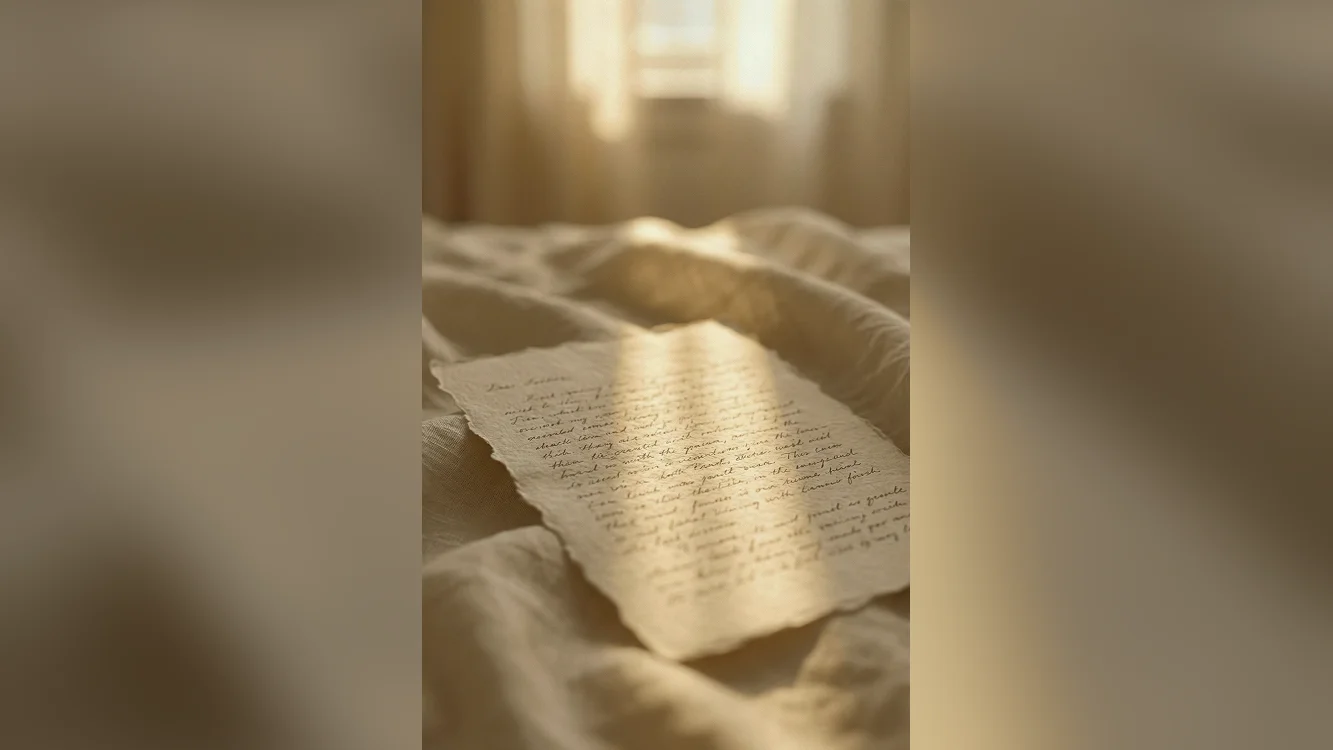
Many wellness and mindfulness apps follow a strict script. They tell users how to breathe, what to focus on, and which mental state to reach. When life takes an unexpected turn, however, rigid instructions often fall short. People rarely need someone to fix their emotions; they need quiet space to process them on their own terms.
Anne-Yolande Bilala created Molimoya to offer that exact space. As the founder of the music-led reflection app, Bilala blends original cinematic compositions, expressive narration, and private journaling into short audio experiences called rituals. In this interview, she discusses the inspiration behind Molimoya, how music guides personal reflection, and what it took to build a global creative ecosystem from the ground up.
Q: Life’s unexpected shifts inspired you to launch Molimoya. What specific gap did you notice in traditional guided meditation and wellness apps that led you to create an experience focused on accompaniment rather than instruction?
Anne-Yolande Bilala: After I was laid off, I could be sad about what I had lost and curious about what might come next, sometimes in the same afternoon. I could find plenty of guidance on how to calm down, think differently, or move forward. On some days, what I wanted was to hear something that put words to what I was going through and gave me a little time to sit with it. I think there is a particular comfort in hearing someone put words to a feeling you have been carrying. That is what I wanted to offer with Molimoya. Working on Molimoya has been my salvation. When so much felt uncertain, having something to create gave me something to look forward to.
Q: Each ritual on Molimoya begins with music, introduces narration by voice artist Jenna, and then lets the score continue after the words stop. Why is that lingering musical space so important to how listeners process a story?
Anne-Yolande Bilala: The music gives you a moment to arrive before Jenna speaks. To me, music can be just as powerful as words, whether it is a quiet piano piece or an ambient sound that slowly builds. Think of playing the piano. You can play the same piece twice, and the way you touch the keys or lean into a phrase can give someone a sense of what you are feeling each time.
When Jenna’s voice falls away, the music carries the story a little further. A line might come back to you, or it might bring up a memory you had forgotten. Sometimes a line only really lands when you have a moment to hear it in your own head. That is often where the story starts to become your own.
Q: Your rituals explore universal themes like identity, belonging, uncertainty, and change alongside an integrated private journal. How do you craft stories that feel deeply personal without pushing listeners toward a predetermined conclusion?
Anne-Yolande Bilala: When I sit down to write a ritual, I am not looking for an answer. I am trying to put words to a feeling that can be hard to explain. You can love the people around you and still wonder where you fit. You can look forward to a change and miss the life you had before it. I try to be honest about what those feelings are like and leave the story open enough for listeners to find their own meaning in it.
Sometimes that means letting yourself cry. Sometimes it means letting your joy show. I want people to feel whatever comes up without having to pretend or apologize for it. If they want to stay with that feeling a little longer, the private journal gives them a place to put it into their own words.
Q: Bringing Molimoya to life involved independent musicians, filmmakers, editors, and app developers working across different parts of the world. How did you align these creative disciplines around a unified sound and emotional tone?
Anne-Yolande Bilala: I look for collaborators who connect with my writing and who recognize something of their own lives in the words. When I share something I have written, I like to hear which line stays with them and why. Sometimes they pick up on something I had not considered, and that becomes part of the work.
Throughout the process, I come back to the feeling that made me want to write the story in the first place. Whether we are working on the music, the narration, or the visuals, I want them to feel like they belong to the same emotional world. A musician might let a note linger. A filmmaker or editor might hold an image for another second, so a line has time to land. With the app developers, I think about what happens when the music ends and someone wants a moment to reflect. What I am looking for in each case is enough time for the listener or viewer to take in what they are feeling.
Q: Beyond the mobile app, Molimoya extends into short cinematic films that explore similar themes through visual storytelling. How do these films complement the audio rituals, and how do they shape the broader creative universe you are building?
Anne-Yolande Bilala: In the app, you can close your eyes and let the words and music bring up your own images. With the films, I want you to feel that same pull when you open your eyes. Someone might come across Passing Light or Not Yet and recognize a feeling of their own before they have ever listened to a ritual. I like that a short film can be someone’s first encounter with the world of Molimoya and still mean something to them on its own.
Music is central to both. It is one of the reasons I make some films without narration. I love that you can be looking at the same image, hear the music change, and suddenly feel something different about what you are seeing. That is what I enjoy exploring when an image and a piece of music tell the story together.
Q: As Molimoya reaches international listeners on Google Play and the Apple App Store, how do you envision people integrating these rituals into their everyday lives during moments of transition?
Anne-Yolande Bilala: I imagine someone listening on their walk home after a difficult conversation, or at the end of a day when a decision is still weighing on their mind. A few weeks later, they might listen again and find that a different line stays with them.
When you unlock more rituals, some become available a little at a time. You might come back to listen to a favorite and discover something you have not heard before, with music of its own.
I would love for Molimoya to be something people remember when they need a moment to themselves. Sometimes you finish listening and want to write a few lines. Sometimes you put your phone away and keep walking. Both feel like a natural place for the ritual to end.
Molimoya challenges the assumption that self-reflection requires a step-by-step manual. By pairing original cinematic scores with open-ended storytelling and private journaling, Anne-Yolande Bilala has built a platform where listeners can sit with uncertainty and uncover their own meaning.
As digital noise grows louder and life remains unpredictable, tools that respect individual interpretation will become increasingly important to emotional well-being. Molimoya shows that when the words end, the right music can give people the stillness they need to navigate whatever comes next.
To learn more, visit https://www.molimoya.com/
Get the app on Google Play and App Store.
Previously in Business news: When to Sell (And When Not To): How the Mid-Canterbury Farming Calendar Shapes Ashburton’s Vehicle Disposal Market






Comment